
Tracking Biometrics: How Technology Personalizes Your Workout
The fitness industry has seen a remarkable transformation in recent years, primarily due to the rapid advancement of technology. A significant trend is the integration of biometric tracking devices that allow users to monitor their health metrics in real time. This shift towards data-driven fitness experiences fosters personalized workouts tailored specifically to individual needs. Innovative products like smartwatches, fitness trackers, and heart rate monitors provide users insights into their physical performance, helping them achieve their fitness goals efficiently. The capacity to analyze such data enables trainers to curate workouts based on precise statistics derived from biometrics. As more users adopt these technologies, a heightened emphasis is placed on performance metrics that lead to better outcomes. Additionally, such devices often feature goal-setting functionalities that keep individuals motivated. Therefore, as technology continues to advance, embracing these innovations could redefine personal fitness journeys and enhance overall wellbeing. The combination of data and fitness creates a rewarding experience, ensuring that users understand their bodies better through comprehensive metrics. Harnessing the power of data is undoubtedly proving to be invaluable for those serious about their fitness ambitions.
The Role of Wearable Technology in Fitness
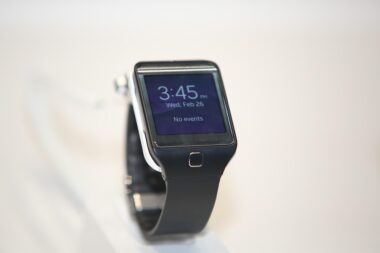
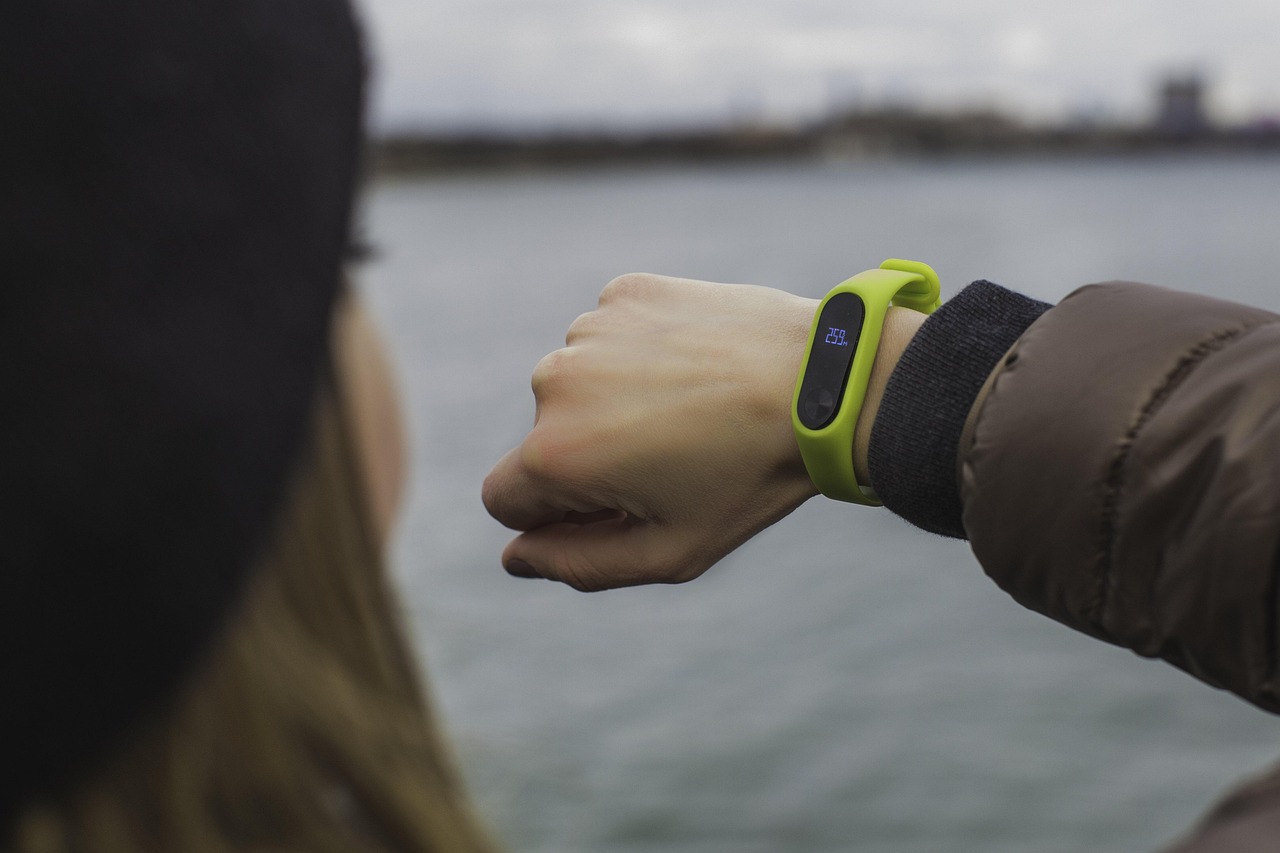
Wearable technology has become a cornerstone of the fitness industry, empowering users to actively engage with their health and fitness goals. These devices are designed to track various biophysical parameters, including heart rate, calories burned, steps taken, and sleep patterns. By consistently logging this information, individuals can review their progress and make informed decisions about their workout routines. The popularity of wearable devices largely stems from their ability to provide real-time feedback, allowing users to adjust their efforts based on accurate data. Furthermore, wearables are often paired with mobile applications that enhance the overall user experience. They can offer detailed analyses of performance over time, encouraging patience and perseverance. For beginners, wearing technology serves as an invaluable resource to stay accountable while navigating their fitness journeys. Popular devices include the Fitbit, Apple Watch, and Garmin wearables, each offering unique features conducive to different fitness lifestyles. As technology continues to evolve, it’s essential that users choose devices aligned with their personal objectives. In doing so, wearable technology can foster long-term lifestyle changes that encourage a stronger commitment to health and fitness.
Another crucial aspect of biometric technology is the incorporation of apps that complement wearable devices. Integrative fitness applications not only sync with tracking devices but also offer extensive features designed to support users’ fitness journeys. They often provide workout plans, nutritional guidance, and community support, allowing users to connect with like-minded individuals. The social element enhances motivation as users can share progress, celebrate achievements, and challenge friends. Many apps incorporate gamification elements, encouraging users to compete for achievements and rewards. Integration of community features strengthens accountability and fosters a supportive environment, essential for personal growth. Furthermore, numerous platforms offer personalized insights based on the users’ activity data, further aiding in their goals. By analyzing comprehensive data collected through these apps, fitness professionals can create tailored workout regimens that maximize efficiency and results. Users can gain access to expert-driven knowledge, improving understanding of their exertion levels and recovery needs. Overall, fitness apps are pivotal in bridging the gap between technology and personal fitness, ensuring that individuals are not just tracking numbers but embarking on journeys of empowerment and achievement.
Data-Driven Fitness Progression
Using biometric technology for measuring fitness levels provides numerous benefits, including improved accountability and motivation. With access to detailed reports and analytics, users can visualize their progress over time. This visualization often leads to heightened motivation, as individuals can observe their transformations, fueling their desire to achieve further milestones. A multitude of apps and fitness trackers allow users to set specific goals such as distance covered or calories burned, effectively breaking down personal fitness objectives into achievable tasks. These incremental achievements contribute to a sense of accomplishment, enhancing the likelihood of continued dedication to fitness routines. Furthermore, data-driven approaches to fitness can also help identify patterns or areas of improvement, enabling trainers or users to modify workout strategies as needed. In this ever-evolving landscape of health and wellness, staying flexible and adaptable is crucial. Resultantly, access to precise data can empower individuals, presenting opportunities to iterate on and enhance their fitness experience. As biometric technology continues to evolve, the insights gleaned from these advancements will play an increasingly significant role in shaping future fitness trends and outcomes.
Moreover, the impact of biometrics extends beyond mere tracking; it also promotes injury prevention and recovery strategies. The ability to monitor physical stress and strain during workouts enables users to assess their thresholds accurately. By understanding their limits, individuals can minimize the risk of overtraining, ensuring they engage in workouts intelligently. Many advanced wearable devices come equipped with features that alert users when they are approaching their exertion limits. This capability helps foster a culture of listening to one’s body, promoting sustainable practices that extend the longevity of fitness regimens. Furthermore, real-time feedback encourages users to modify their form or intensity, aiding in resilience against injuries. During recovery periods, data analytics can assist individuals in determining optimal rest and rehabilitation schedules based on their unique health metrics. This dual benefit—enhancing performance while prioritizing safety—places biometric tracking technology at the forefront of a shift towards a more conscientious and informed approach to fitness. By prioritizing overall wellbeing, users can engage in fitness journeys that are not only productive but enjoyable.
Customization in Fitness Regimens
With the influx of biometric technology, personalization has become the cornerstone of effective fitness regimens. Traditional workout approaches tend to follow a one-size-fits-all philosophy that rarely accounts for diverse individual needs. Conversely, technology fosters a tailored experience, wherein workouts can be adjusted according to unique biometric data markers. Personal trainers can utilize insights generated from various measurements such as heart rate variability, recovery rates, and performance statistics for crafting specialized training sessions. Such personalized attention greatly enhances the likelihood of achieving fitness goals by focusing on individual limitations and strengths. This customization extends to nutritional guidance as well, ensuring that individuals receive advice that aligns with their fitness levels and objectives. Furthermore, ongoing access to biosignals means that regimens can be modified as users evolve, maintaining engagement and growth. As trainers and clients use data to inform strategy, a deeper understanding of workout efficiency is achieved. Through this tailored approach, individuals are more likely to experience enjoyable exercises and lasting fitness lifestyles. This evolution signifies the shift towards prioritizing individual journeys over generic plans in the dynamic world of fitness.
The future of fitness appears bright with the ongoing integration of biometric technology revolutionizing personal training and overall health management. As technology becomes more sophisticated, it is anticipated that advancements will yield even more accurate monitoring systems, integrating seamlessly into users’ daily lives. Additionally, rise in artificial intelligence and machine learning capabilities may predict fitness needs based on users’ past behaviors and preferences. Such innovative solutions could retain personalization effects while simplifying the user experience, ultimately enhancing the attractiveness of fitness technology. The emergence of smart gyms incorporating biometric technologies exemplifies this trend, providing automated systems to evaluate performance and adjust equipment settings in real-time. Furthermore, as consumers eagerly adopt these technologies, increased interest from businesses to develop cost-effective, user-friendly solutions is likely to emerge. Fitness influencers advocating for tech-enabled training methodologies will also propel this trend into the mainstream. Consequently, the convergence of fitness and technology not only opens doors for personal gains but also shapes broader community health initiatives. Embracing technological advancements in fitness will therefore lead people toward healthier, more empowered lifestyles suited to their individual needs.
As this vibrant fusion of fitness and technology progresses, the idea that health should be accessible and understandable is becoming more pronounced. Individuals empowered by tracking biometrics can step confidently into their fitness journeys, armed with data instead of conjecture. The ease of keeping track of various health metrics allows users to set realistic milestones, which can lead to better adherence to workout plans. Importantly, this reinforces the belief that technology not only enhances performance but also supports mental health by fostering positive relationships with physical fitness. Users experiencing progress and physical transformations often exhibit heightened returns on self-esteem and overall happiness around their fitness participation. In a world increasingly leaning on technology, balancing digital engagement with physical activities is paramount. Striking this balance can also incorporate elements like mindfulness, ensuring that wellness is approached holistically. In conclusion, the future of fitness stands at the intersection of technology and personal wellness. By embracing biometric tracking, individuals can empower themselves toward meaningful, sustainable health practices that contribute positively not just to individual lives but to society as a whole, reshaping how we understand and pursue fitness together.