
The Science Behind Post-Workout Nutrition for Muscle Recovery
When we engage in physical exercise, our muscles undergo stress that leads to microscopic tears, causing muscle soreness. Understanding the science behind post-workout nutrition can significantly alleviate this discomfort and enhance recovery. Post-workout nutrition primarily focuses on replenishing nutrients and supporting muscle repair. Important components include carbohydrates, proteins, and healthy fats. Carbohydrates help restore glycogen levels, which are depleted during intense workouts. Protein provides the building blocks necessary for muscle repair and growth. Consuming these nutrients post-exercise can help to ensure optimal recovery. Effective recovery strategies can increase performance, contribute to muscle growth, and minimize soreness, allowing for better training cycles. Additionally, hydration is critical post-workout, as it aids in nutrient transport and reduces muscle cramping. Foods rich in antioxidants, like berries, can also support recovery by reducing inflammation. Meal timing is essential, with a window of about 30 minutes to two hours after exercise being ideal to consume these nutrients. Familiarizing yourself with these principles can lead to smarter post-workout nutrition choices that promote muscle recovery.
In order to formulate an effective post-workout nutrition plan, consider meal composition as a vital factor. Ideally, a post-workout meal should include a combination of proteins, carbohydrates, and fats to maximize recovery. For example, a meal with grilled chicken, quinoa, and a side of mixed vegetables provides adequate protein and carbohydrates. A good rule of thumb is the 3:1 ratio of carbohydrates to protein. This balance helps to promote muscle repair while also replenishing glycogen stores. Protein-rich foods such as fish, eggs, and plant-based sources like lentils are excellent choices for this recovery phase. Moreover, incorporating healthy fats from sources like avocados, nuts, and olive oil helps with overall nutrient absorption. Staying hydrated is equally critical; aim to replenish fluids lost during exercise, which can help prevent further soreness. A hydrating post-workout beverage or electrolyte drink might be beneficial. Staying informed about portion sizes, nutritional requirements, and timing allows individuals to optimize their recovery and reach fitness goals more effectively. Overall, adopting a well-balanced approach to post-workout nutrition can have lasting impacts on muscle recovery.
Hydration: Key to Recovery
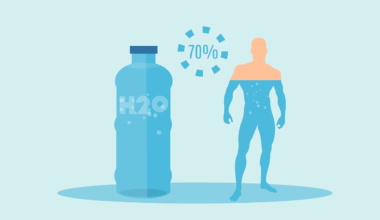
Many people overlook hydration when considering post-workout nutrition, yet it plays a vital role in muscle recovery. Water is crucial for maintaining bodily functions and helps transport nutrients to those sore muscles. After an intense workout, tiny tears develop, and proper hydration enables faster repair. Dehydration post-exercise can lead to increased soreness and longer recovery times. It’s important to drink ample amounts of water throughout the day, especially during and after workouts. Electrolyte drinks can also be beneficial, as they replenish essential minerals lost in sweat. Favoring beverages that contain electrolytes helps to maintain body balance and supports hydration much better than plain water. Recovery beverages like chocolate milk, smoothies, or professional sports drinks can provide not just hydration but also a combination of carbs and proteins necessary for recovery. When aiming for recovery, try drinking around 500 ml of water within two hours post-workout. Pay attention to your body’s needs; if you’re feeling thirsty, strive to drink more. Implementing proper hydration strategies supports overall recovery and enhances performance for future workouts.
Food choices following a workout can largely influence how quickly muscles recover from soreness. Emphasizing whole foods instead of processed options is advisable, as they provide more nutrients. Whole grains, fresh fruits, and vegetables should be prioritized over sugary or high-fat snacks. A nutritious post-workout meal can include a smoothie made from nutrient-dense ingredients like spinach, banana, yogurt, and a scoop of protein powder. This type of meal is not only easy to digest but also aligns well with dietary recommendations. Meal variety is essential to ensure a microphone of nutrients being consumed, which contributes to overall health and well-being. Including bright-colored fruits and vegetables provides essential vitamins and antioxidants. Nutrient-dense foods can combat the inflammation that sometimes accompanies workout recovery. If time or energy is limited, planning meals ahead is crucial. Preparing meals in advance can ease the stress post-workout. Having healthy meals at your disposal ensures you meet the nutritional needs for recovery. Engaging in healthy food practices post-workout encourages better adherence to fitness goals.
Importance of Protein for Soreness Reduction
Protein is an integral component of post-workout nutrition and is particularly significant for reducing muscle soreness. The amino acids found in protein play a direct role in muscle repair and building. Consuming protein after workouts can reduce symptoms of delayed-onset muscle soreness (DOMS), helping athletes and enthusiasts recover faster. High-quality protein sources, like chicken, beef, fish, eggs, or plant-based options, are essential for muscle regrowth. Recommendations for protein intake suggest consuming about 20-25 grams within the post-workout window, depending on individual body weight and exercise intensity. Protein shakes can serve as a quick and convenient alternative when whole foods are not available. When combined with carbohydrates, proteins become even more effective as they promote better recovery through an enhanced insulin response. Timing of protein consumption plays a crucial role, as muscle repair mechanisms are most active in the hours following rigorous exercise. Continually focusing on adequate protein intake can help manage muscle soreness and lead to sustained strength improvements overtime, allowing individuals to progress toward their fitness aspirations.
In addition to proteins and carbohydrates, incorporating vitamins and minerals can enhance post-workout recovery. Antioxidants found in fruits and vegetables help combat oxidative stress resulting from intense exercises. For example, blueberries, oranges, and leafy greens are excellent choices to include in post-workout meals. Vitamins such as C and E play essential roles in reducing inflammation and promoting overall muscle recovery. Minerals like magnesium and potassium are vital for muscle function and can help alleviate cramps and soreness. Integration of diverse foods rich in these nutrients ensures you maximize your recovery benefits. Furthermore, some supplements can provide additional support. Creatine and branched-chain amino acids (BCAAs) have gained popularity as effective recovery aids among athletes. However, it’s advisable to consult with healthcare professionals before introducing new supplements. Monitoring the body’s response to various nutrients can inform future dietary choices. A balanced approach focusing on nutrient-dense options while paying attention to personal recovery needs can yield profound improvements in overall muscle recovery and fitness performance.
Building Recovery Habits
Establishing consistent post-workout recovery habits is beneficial for managing muscle soreness effectively. Individuals should prioritize meal and hydration timing, setting up a routine that aligns with their fitness goals. Documenting feelings of soreness and recovery can yield insights into one’s own body’s needs. This practice allows individuals to adjust their nutritional approaches accurately based on observed results. Emphasizing sleep is another critical aspect, as quality rest contributes to muscle recovery alongside nutrition. Setting a sleep schedule can help optimize nighttime recovery processes. Additionally, incorporating stretching or low-impact activities after workouts can prevent stiffness from muscle soreness. Seeking feedback from fitness professionals can also be advantageous in building effective recovery strategies. Regularly revisiting nutrition plans provides opportunities to make necessary adjustments based on changing fitness levels. Building effective recovery habits will lead to reduced soreness and improved long-term performance. Fostering a mindset focused on growth can motivate individuals to refine their strategies continually. Prioritizing recovery as much as workout intensity is vital for achieving fitness success.
In conclusion, understanding post-workout nutrition plays a crucial role in managing soreness and enhancing muscle recovery. The combination of appropriate nutrient intake, hydration, and the incorporation of vitamins can significantly decrease muscle soreness and improve overall performance. Implementing a balanced meal plan focusing on protein and carbohydrates, while staying hydrated, should be prioritized after workouts. Testing various foods and understanding personal preferences can help determine the best post-workout recovery strategy. Building these habits will facilitate optimal physical recovery through a focus on nutrition. Practicing a holistic approach by including exercise with proper recovery will address muscle soreness effectively. With time and dedication, individuals can achieve their fitness goals while minimizing discomfort following strenuous workouts. Implement these strategies consistently to create a powerful foundation for muscle recovery. Continuous learning about nutrition and its effects on the body sends individuals on the right path towards maximizing exercise benefits. Use this knowledge to empower personal fitness journeys, enabling active lifestyles that thrive on the balance between workouts and nutrition. Start adapting your post-workout nutrition today to optimize muscle recovery and performance!