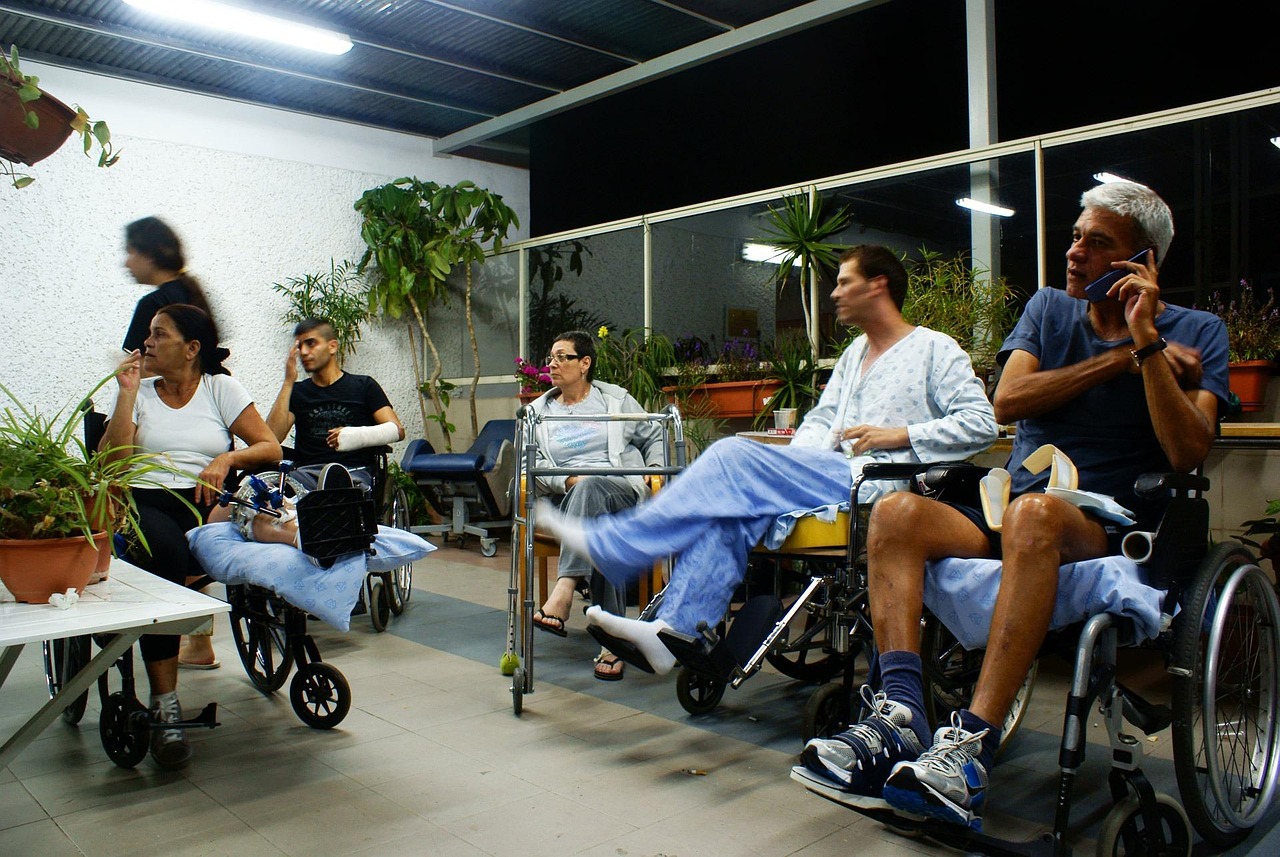

The Future of Rehabilitation: Personalized and Adaptive Training
The future of rehabilitation is poised for a significant transformation as personalized and adaptive training methods gain prominence. This approach tailors recovery strategies to individual needs, accommodating varying physical abilities and circumstances. Personalized rehabilitation plans integrate patient history, preferences, and injury specifics, promoting an engaging environment. By leveraging technology like wearable devices, practitioners can monitor progress in real-time, refining approaches for optimal recovery. Adaptive training also emphasizes flexibility, enabling modifications as recovery advances. This ensures the rehabilitation experience is not just effective but also enjoyable. Incorporating feedback from patients is essential, giving them a voice in their recovery journey. This fosters a strong therapist-patient relationship, enhancing commitment to therapy. As research continues to support these methods, more facilities are likely to embrace innovative technologies. Integrating physical, emotional, and psychological support will redefine patient care. This holistic view plays a crucial role in faster recovery. Moreover, successful outcomes rely on continuous improvement and innovation in rehabilitation practices, driving the field forward. Investing in personalized care will open new horizons, paving the way for healthier, more active lives post-injury.
In addition to personalized approaches, technology is playing a vital role in revolutionizing rehabilitation and recovery protocols. Virtual reality (VR), for instance, has emerged as a powerful tool in creating immersive therapeutic environments. By simulating real-life scenarios, VR helps patients regain motor skills and confidence through engaging exercises. Utilizing such technology can significantly enhance motivation and adherence to rehabilitation regimes. Furthermore, artificial intelligence (AI) algorithms analyze vast data sets to identify patterns and predict outcomes, allowing healthcare professionals to refine treatment strategies continually. These insights enable more effective and timely interventions tailored to individual needs. Another important aspect is telehealth, which ensures that patients receive continuous support from therapists, regardless of geographical constraints. This flexibility is crucial for individuals who may have difficulty attending in-person sessions due to mobility challenges or remote living situations. As healthcare infrastructures integrate these advancements, the impact can extend far beyond rehabilitation facilities and into the homes of patients. Accessible, personalized care fosters a supportive network surrounding recovery, empowering individuals to take control of their healing journey and encouraging a proactive mindset throughout their rehabilitation.
Importance of Physical Therapy in Rehabilitation
Physical therapy remains a cornerstone of rehabilitation and recovery post-injury, serving as a bridge between surgical intervention and full recovery. Therapists possess a deep understanding of human biomechanics, facilitating the design of exercises that specifically target weakened areas. Tailored exercise regimens strengthen muscles, improve flexibility, and enhance stability, fostering confidence in patients. Furthermore, physical therapists employ various modalities to manage pain and promote healing, including ultrasound, electrical stimulation, and manual therapy techniques. These methods can alleviate discomfort and expedite recovery time, ultimately improving the quality of life for patients transitioning from acute care to rehabilitation. Equally important is education, as therapists teach patients about their injuries and provide strategies for self-management. This knowledge empowers individuals to engage in their recovery actively. The collaboration between therapists, physicians, and patients yields comprehensive plans catering to the holistic needs of individuals. Integrating feedback facilitates adjustments in treatment, ensuring continuous improvement. Through commitment, empathy, and consistent communication, physical therapists foster a recovery environment where patients feel supported and motivated. This synergy advances rehabilitation and contributes to improved long-term outcomes for individuals recovering from various injuries.
Moreover, understanding the psychological aspects of recovery is essential in rehabilitation. Injuries often trigger emotional responses, including frustration or anxiety, significantly impacting the healing process. Acknowledging these feelings and addressing them is crucial in achieving optimal rehabilitation outcomes. Integrative approaches that incorporate emotional support alongside physical therapy are gaining traction. Psychologists and counselors increasingly work alongside rehabilitation teams to provide strategies promoting mental well-being. Mindfulness practices, cognitive-behavioral techniques, and motivation-building exercises play a vital role in enabling individuals to cope with recovery challenges. By fostering resilience, patients can navigate setbacks with a growth mindset. Additionally, community support groups can be instrumental in combating feelings of isolation during recovery journeys. Meeting others with similar experiences creates opportunities for collaboration, encouragement, and shared learning. This collective support strengthens motivation and personal accountability, encouraging individuals to remain active participants in their rehabilitation. Future rehabilitation models should prioritize mental health as equally significant to physical recovery. By adopting a comprehensive approach, practitioners will be better equipped to support patients holistically, ultimately leading to improved outcomes in both the restoration of function and emotional well-being.
The Role of Nutrition in Post-Injury Rehabilitation
Nutrition plays an often-overlooked, yet crucial role in rehabilitation and recovery post-injury. Proper dietary choices can significantly influence the healing process, as certain nutrients promote tissue repair and overall health. Adequate protein intake, for instance, is essential for muscle regeneration and maintaining strength during recovery. Nutrients rich in vitamins and minerals bolster the immune system, reducing the risk of complications. Inflammation can also impede recovery; thus, diets high in antioxidants from fruits and vegetables can support the process. Recognizing the importance of hydration cannot be overstated, either; it ensures optimal physiological function and facilitates nutrient transportation throughout the body. Collaborating with a registered dietitian can provide insights into personalized nutrition plans that align with individual recovery goals. Each patient’s needs may vary based on their physical condition, taste preferences, and lifestyle. This ensures adherence while optimizing results. Rehabilitation professionals should include discussions about nutrition as part of the recovery framework. Group classes or workshops about healthy eating can further engage patients and provide added resources to reinforce beneficial habits. Ultimately, by prioritizing nutritional health alongside physical therapy, rehabilitation success rates can increase considerably.
As the landscape of rehabilitation continues to evolve, the integration of data-driven decision-making is essential for improving outcomes. With advancements in technology and analytics, therapists can access a plethora of patient information that informs clinical practices. Utilizing data analytics not only enhances individual treatment plans but also promotes the adoption of best practices across institutions. Establishing a feedback loop with constant monitoring allows for personalization in a way that was previously unattainable. Patients can now engage with mobile apps to track their progress and log their experiences, providing therapists with real-time updates. This data-driven platform enables timely decisions about care adjustments based on patient progression. Additionally, aggregating data from multiple patients offers opportunities for broader research, uncovering trends that can inform practices within rehabilitation. Such collaborations may yield innovations that reshape conventional rehabilitation strategies. Multidisciplinary teams focused on understanding patient data will galvanize a more integrated approach to care. Moving forward, the future of rehabilitation must prioritize data utilization to optimize personalized care. This will lead to greater efficiency in recovery, enhancing the overall experience for patients emerging from injury into rehabilitation.
Conclusion: The Path Forward in Rehabilitation
In conclusion, the future of rehabilitation is rooted in the harmonious interplay of personalized care, advanced technology, psychological support, and nutritional awareness. Collectively, these elements will drive the evolution of rehabilitation protocols, enabling a more patient-centered approach. The integration of personalized and adaptive training will empower patients to take charge of their recovery journey effectively. A multidisciplinary approach fosters collaboration, promoting comprehensive care that encompasses not just physical rehabilitation but also psychological and nutritional support. As the healthcare landscape evolves, embracing these innovations will pave the way for improved patient outcomes and quality of life. By investing in training, technology, and holistic support, rehabilitation facilities can position themselves for success. Equipping professionals with the tools and resources necessary to navigate this transformative landscape ensures that patients receive the best possible care. Combining traditional rehabilitation methods with these emerging trends will yield dynamic results, optimizing the pathway to recovery post-injury. These advancements will contribute to healthier, more empowered individuals ready to embrace active lives beyond rehabilitation. Together, we are on the verge of a refreshing era in rehabilitation; committed efforts will undoubtedly create lasting impacts on individuals and communities alike.