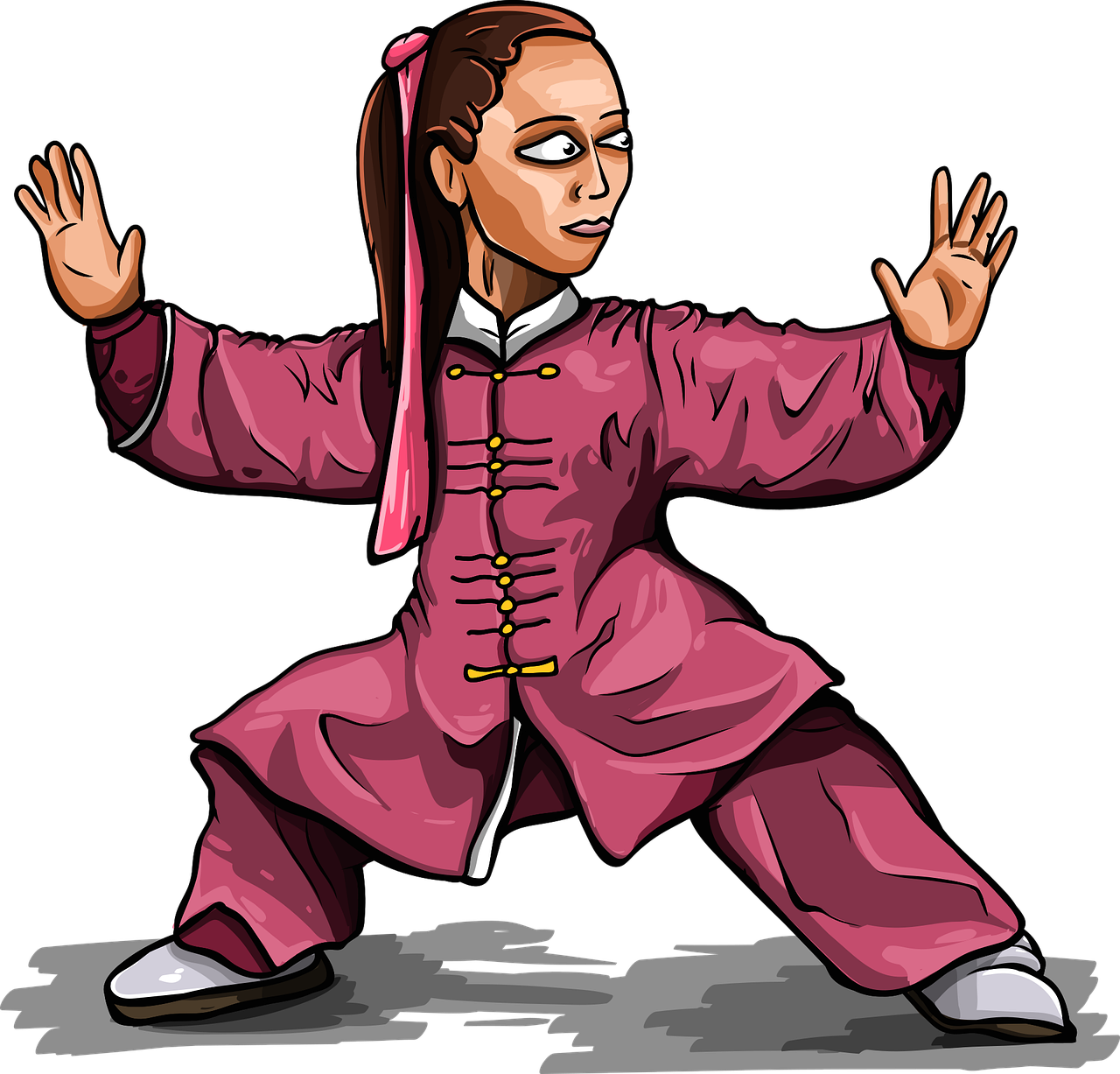

Tai Chi for Elderly Patients with Mental Health Challenges
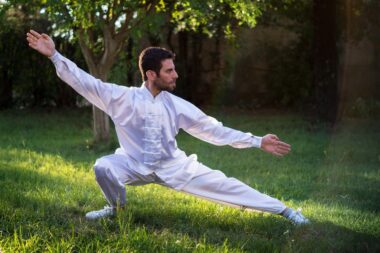
Tai Chi is a gentle form of martial arts known for its slow, deliberate movements, which can significantly benefit elderly patients suffering from mental health challenges. It promotes relaxation, mental clarity, and emotional well-being. Enhanced emotional well-being is essential for older adults dealing with various mental health disorders. Tai Chi improves mindfulness, allowing participants to focus better on the present moment. This practice fosters a strong mind-body connection, crucial for managing anxiety and stress. One of the appealing aspects of Tai Chi is its adaptability; it can be performed indoors or outdoors, in groups, or individually. Elderly patients often find solace in these movements, which, without the need for extensive training, encourages ongoing participation. Moreover, it can be combined with therapeutic routines or used as a stress management tool. Several studies support Tai Chi’s positive impact on mental health, showing potential reductions in anxiety and depression. As a low-impact exercise, it is suitable for those with limited mobility or chronic pain. This versatility makes Tai Chi an excellent addition to comprehensive mental health care for the elderly.
Physical Benefits of Tai Chi
Practicing Tai Chi provides numerous physical benefits that indirectly support mental health in elderly patients. As a low-impact exercise, Tai Chi enhances flexibility, balance, and strength. Regular practice decreases the risk of falls, a common concern for older adults with mental and physical challenges. Improved balance not only leads to healthier bodies but also helps build confidence in one’s physical abilities. Furthermore, Tai Chi promotes better circulation and cardiovascular health, aiding overall well-being. Engaging in a gentler form of exercise like this leads to decreased fatigue and increases stamina over time. The focus on intentional movement cultivates body awareness, which often translates to heightened self-esteem and a positive body image. Studies indicate that regular participation can contribute to improved sleep quality, reducing insomnia common among those with mental health disorders. Consequently, restful nights can foster improved cognitive function and reduced mood fluctuations. Social interaction in Tai Chi classes can provide companionship, crucial in reducing feelings of loneliness or isolation. Enjoying shared experiences may further enhance participants’ mental health, making Tai Chi a holistic approach to managing mental disorders.
Mental Health Enhancements through Tai Chi
Research has demonstrated that Tai Chi might significantly improve mental health through various mechanisms. Mindfulness derived from Tai Chi practice helps practitioners become more aware of their thoughts and feelings, enabling better emotional regulation. Elderly individuals often face challenges that stem from cognitive decline, anxiety, and depression. Tai Chi’s rhythmic movements and breathing techniques can serve as calming methods for the mind. Regular practice might stimulate the release of endorphins, natural mood lifters that counteract feelings of anxiety and sadness. Participants in group settings often report a sense of belonging and community that provides emotional support, further benefiting their mental health. Regular engagement in such mindful practices can lead to sustained improvements in well-being. Moreover, focusing on Tai Chi techniques encourages practitioners to let go of negativity, helping them manage stress effectively. Its slow-paced nature allows for deeper contemplation and connection with oneself. Significant evidence suggests that engaging with Tai Chi regularly can lead to reduced symptoms related to anxiety and mood disorders. Thus, incorporating Tai Chi into mental health treatment plans presents a promising avenue for enhancing quality of life for elderly patients.
In addition to individual practice, instructor-led Tai Chi sessions can offer structured environments that greatly benefit elderly participants. These settings provide a framework for learning and improve adherence to the practice. Instructors trained in adaptive methods can tailor movements to suit individual needs and tactical adjustments for those facing physical limitations. This facet of group classes enhances safety and encourages participants to push their boundaries. The atmosphere created in instructor-led classes can be both motivational and supportive. As elderly patients gather together, they can share experiences and cultivate friendships. It is essential to incorporate social interaction into mental health programs for the elderly, which expedites improvement in participants’ overall emotional health. Other elder-focused physical activities might not elicit the same camaraderie or connection as Tai Chi. Participating in group classes can combat the feelings of loneliness that frequently affect older adults. This communal experience is key to establishing bonds and reinforces emotional ties. Consequently, opportune environments developed around Tai Chi programs enable heightened engagement. These environments can further instill a sense of purpose in participants, enhancing their well-being.
The incorporation of Tai Chi into rehabilitation programs for elderly patients with mental health disorders can be highly advantageous. Healthcare providers should recognize the value of offering such holistic treatment approaches alongside traditional therapies. Tai Chi provides attendees with coping mechanisms for their respective challenges, fostering self-reliance and autonomy. In addition to physical benefits, patients report improvements in mood and resilience, contributing to their overall mental health. Specifically, Tai Chi can serve as a practical tool for emotional regulation, allowing patients to navigate stressors with greater ease. Several institutions are now implementing Tai Chi sessions, observing positive results across diverse populations. Providing accessible options for elderly patients ensures they can benefit from such programs. Family members often feel encouraged to support their loved ones by accompanying them to classes or sessions, creating a shared experience emphasizing well-being. The prerequisite for joining these classes is often minimal; anyone, regardless of age or ability, can participate. Therefore, Tai Chi serves as an accessible modality that supports health professionals in providing comprehensive care to elderly individuals facing mental health challenges.
As the popularity of Tai Chi grows, many online resources and community centers are making it easier for elderly patients to access classes. These resources allow patients to engage with Tai Chi regardless of their circumstances or limitations. Online classes can benefit those who may be hesitant to leave their homes or who live in remote areas. The availability of instructional videos and online tutorials enhances flexibility and convenience, allowing elderly patients to practice at their own pace. Furthermore, virtual classes can facilitate connections with instructors and fellow practitioners even when in-person attendance may not be feasible. Online participatory programs foster an inclusive environment for elderly learners. Increased access to Tai Chi materials and classes also enables patients to develop supportive networks outside their usual circles. Many healthcare providers are collaborating with online platforms to reach more patients. Through this collaborative effort, Tai Chi becomes more inclusive for communities, enhancing mental health support. The emphasis on making Tai Chi accessible directly contributes to improved adherence and outcomes. Ultimately, the growing accessibility ensures that seniors can experience the benefits of Tai Chi, further enhancing their well-being.
While Tai Chi offers numerous mental and physical benefits, it is important to recognize its limitations. Practitioners should note that Tai Chi is not a standalone treatment for mental health disorders. Carefully addressing individual needs in conjunction with traditional treatment plans is crucial for achieving optimal results. Consulting mental health professionals can help tailor Tai Chi programs for each patient’s unique situation. For instance, those with significant psychiatric symptoms might require more intensive interventions alongside physical activity. Moreover, determining a balance in practice frequency is essential; excessive exercise could lead to fatigue. Health providers can facilitate decision-making regarding Tai Chi’s incorporation into patients’ lives. Patients must maintain open communication about their experiences while practicing. Thus, regular evaluations can be implemented to assess the effectiveness of incorporating Tai Chi into their treatment. Educating both patients and providers about the synergistic effects of Tai Chi and traditional therapies can enhance overall outcomes. Awareness surrounding Tai Chi is growing, yet addressing misconceptions about its capabilities remains a focal point. Ultimately, fostering an informed approach empowers patients and healthcare providers to make effective decisions for mental wellness.
In conclusion, Tai Chi presents a valuable opportunity for elderly patients struggling with mental health challenges. The various benefits, ranging from physical improvements to enhanced mental well-being, highlight its essential role in holistic health care. Emphasizing access and participation, Tai Chi can positively impact not only patients’ lives but also those of their families and communities. Incorporating Tai Chi into treatment options creates a comprehensive support system that addresses older adults’ unique needs. Health professionals should advocate for more integrated practices with evidence-based support. They can encourage patients to engage with Tai Chi through community programs or online resources to bolster participation spans and elevate health standards. The sense of community fostered in participating groups may amplify the emotional support that is crucial to managing mental disorders. In utilizing Tai Chi, elderly patients may experience improvements in resilience, self-esteem, and overall well-being. As our understanding of the practice continues to grow, more recognition of its role in mental health treatment can emerge. Consequently, Tai Chi can remain central to innovative strategies aiding the elderly as they navigate mental health challenges.