
Swim Drills to Build Confidence for Your First Triathlon
Starting your triathlon journey may feel overwhelming, especially when it comes to swimming. To build confidence in the water, focus on specific drills that enhance technique, endurance, and comfort. Begin with the basics: mastering your breathing is crucial. Proper breathing helps maintain swim rhythm and keeps you calm during races. Consider practicing bilateral breathing to develop even skills on both sides, allowing you to be aware of your surroundings during competitive swims. Next, implement 25-meter sprint sets to increase speed and endurance. Completing these short bursts of exertion, then recovering appropriately, builds stamina. Additionally, incorporate drills that improve your stroke technique, such as “catch-up” drills that encourage a smooth entry and exit of your hands in the water while allowing you to glide. This drill fosters the essential rotation of your body and helps maintain streamlined movement. Moreover, using a pull buoy can emphasize upper body strength and allow you to focus on your arm movement without kicking. Keep practicing these drills consistently, and you will find your confidence blossoming for your first triathlon swim leg. Adapt your drills to fit your ongoing needs for continuous improvement.
Aside from stroke technique and breathing, focus on your comfort level in the water. It’s vital for triathletes to feel at ease during the swim portion of their races. Spend time swimming in open water where you will compete, simulating race conditions. Familiarize yourself with the environment to mitigate anxiety on race day, whether it’s the temperature, sighting buoys, or navigating through crowds. Practice sighting during your swims by periodically lifting your head and looking forward. Combine this with your regular swimming drills to ensure you’re not losing your rhythm. Additionally, attending group swim sessions can enhance your confidence by providing you with a supportive atmosphere. You can practice together with fellow triathletes who share similar objectives. Use the opportunity to ask for feedback from more experienced swimmers. They can offer helpful tips and motivate you to push beyond your limits. Another essential aspect is practice pacing, as it is valuable to understand your limits before the actual event. Incorporating timed swims will help you gauge your pace effectively. Consequently, it enhances not just your speed, but your psychological readiness for the triathlon.
Building Endurance through Technique and Pace
For many triathletes, building endurance is a prominent challenge during their training. To address this issue, it is beneficial to intertwine technique and pace with endurance drills. Start by defining your training durations, practicing longer swims at a slow, manageable pace. Incorporate sets like 400 meters at a steady pace, followed by a short break, gradually increasing the distance as your endurance improves. The key is not to rush through your laps but focus on maintaining proper form. This approach will reinforce muscle memory while boosting cardiovascular strength. Moreover, interval training can be an effective way to build both speed and endurance simultaneously. Try sets of 50- and 100-meter sprints, where you swim hard for the given distance and then take short rests. Tracking your progress through a swim watch or log can give you insight into improvements over time. Incorporating drills that enhance breathing efficiency will also contribute significantly. As your breathing technique improves, it naturally leads to better endurance. Most importantly, the gradual progression of difficulties helps build confidence leading into the race season. You can even enlist swim coaches for expert guidance in refining your overall technique.
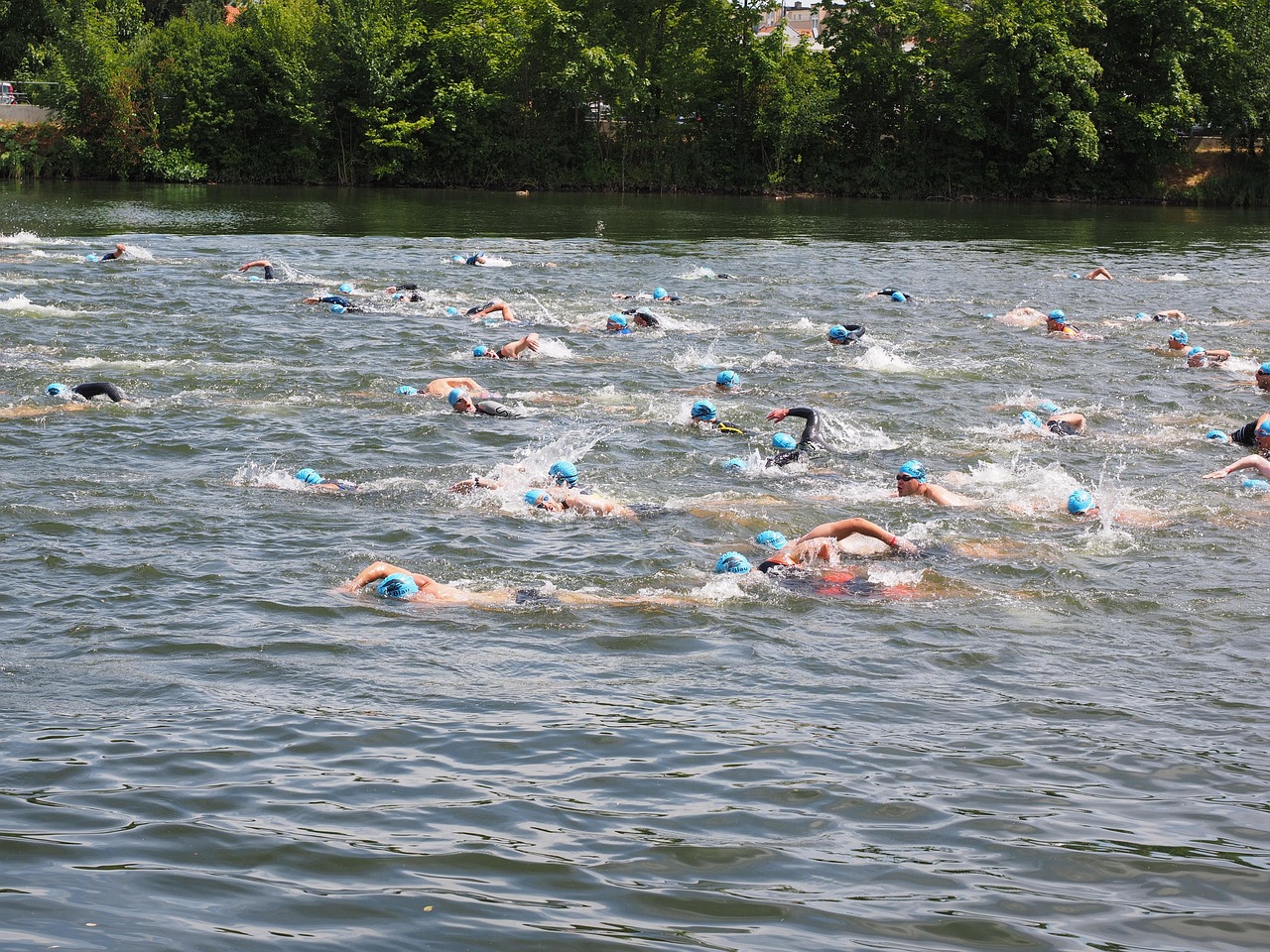
A vital factor for success in triathlon swimming is masterful navigation technique. This consists of being able to swim straight lines, avoid collisions with other swimmers, and sight effectively. Sighting simultaneously helps you stay oriented in open water. During your training swims, practice sighting every six to eight strokes, lifting your head just enough to see where you’re headed. This enables you to adjust your course while maintaining efficient strokes. It’s crucial not to lift your head too high, which disrupts your body position. Consider engaging in guided open water swim sessions offered by local clubs, allowing you to work on these skills with experienced partners. Furthermore, to handle race-day adrenaline, familiarize yourself with mass starts. Simulate this experience by practicing with groups in the pool or open water to reacquaint yourself with the focused, competitive environment. Establish a plan for entering the water and positioning yourself at the start line. Developing a strategy for your race will help diminish anxiety. Moderating breathing during these intense moments can allow for clearer thinking and better performance under pressure. Effective navigation combined with mental clarity will be your ally on race day.
Challenge Yourself and Gain Confidence
Stepping outside your comfort zone can significantly enhance your swimming confidence. Testing yourself with various swim conditions will fortify your preparedness for the triathlon. Engage in different types of workouts. For instance, include drills focused on speed or endurance once or twice a week. Enter competitions or informal swim meets to gauge your progress against others; this will create a healthy atmosphere for motivation. Online triathlon communities can be rich sources of encouragement and challenge alike. Participate in forums to discuss techniques, share experiences, and ask questions that arise during your training process. Conversely, there’s a great value in positive self-talk. Maintain a robust mental approach, reminding yourself of your achievements throughout your training to combat any feelings of self-doubt. Visualizing success has been proven to instill confidence as it mentally prepares you for the task. Additionally, set small, achievable goals in your training regimen, rewarding yourself upon meeting them. Achievements, no matter how minor, build a sense of accomplishment that nourishes confidence. Rest assured, with dedication and consistent practice, you will transform into a capable and confident swimmer ready for your first triathlon.
Incorporating specific drills into your training regimen should encompass all aspects of your swim preparation. From technique and endurance to navigation and environmental familiarity, each factor contributes to your success. Engage with local triathlon clubs or online platforms dedicated to swimming training to gain additional resources and support. Utilize expert advice and shared experiences found in these supportive environments as a complementary source to your individual drills. Cross-training could also be beneficial to enhance overall fitness and strength while diversifying your training routine. So, consider activities such as cycling or running, seamlessly integrating into your weekly schedule alongside swim practices. Recovery is equally important, as sufficient rest and nutrition foster muscle building. Never underestimate the role of mental health in training endeavors. Incorporate mindfulness or yoga sessions into your training plan. This can help balance the pressures of rigorous workouts. Physical and mental recovery strategies combine to form a well-rounded athlete. As race day approaches, maintain a steady focus on these techniques, leading to reduced race anxiety while maximizing performance. Above all, remember the journey of becoming a triathlete takes time; celebrate every accomplishment along the way on your swimming triumph.
Conclusion: Consistent Efforts Lead to Success
Your journey towards completing your first triathlon can be accomplished by consistently implementing effective swim drills. The overall combination of proper techniques, focused training, mental fortitude, and camaraderie will serve as pillars for your growth. Persisting in building confidence in the water will prove invaluable when racing. By mastering the various drills covered, you’ll develop critical skills essential for success when navigating through swim courses. Cultivate mastery over diverse swimming techniques, transforming your weaknesses into strengths. Coupled with a routine dedicated to regular practice, maintain an adaptive mindset that understands the significance of patience and perseverance. Confidence built during training will resonate throughout the rest of the triathlon as you transition from the water to the bike and run segments. Most importantly, celebrate your journey and appreciate every swim session as a building block towards your ultimate goal. Embrace both struggles and successes as indispensable experiences shaping you into a triathlete. With each passing day, your determination to succeed will shine brightly as you approach race day. Prepare thoroughly, with a spirited attitude, and it won’t be long before you cross the finish line.
Ultimately, preparation for your first triathlon should prioritize building confidence in the swim segment through diverse and focused drills. One of the most critical aspects of accomplishing this entails consistently pushing your limits and managing expectations. Your commitment to improving swimming skills will arm you with the necessary tools to face open water challenges with poise and power. Additionally, let every swim be a chance to simply enjoy the water and embrace the essence of this rewarding discipline. Joining local clubs or finding swimming partners can elevate your training experience and encourage camaraderie. Share your passion for the swim leg with others, establishing a supportive network that drives motivation. Recognize your achievements, no matter how small, and use them as stepping stones towards greater success. The consistency of effort and dedication towards improving your swimming will foster profound confidence as you dig deeper through your training. More than anything, maintaining a positive approach will ensure you are mentally equipped for race day. As your confidence grows through these drills, so too will your love for the sport, paving the way toward conquering your first triathlon. Prioritize enjoyment throughout the process, as it will enrich your overall experience.