
How Yoga Aids in Triathlon Recovery and Injury Prevention
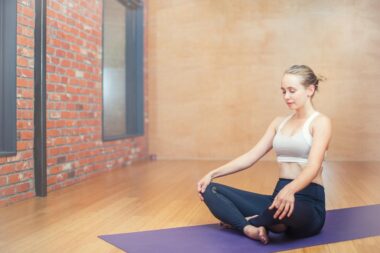
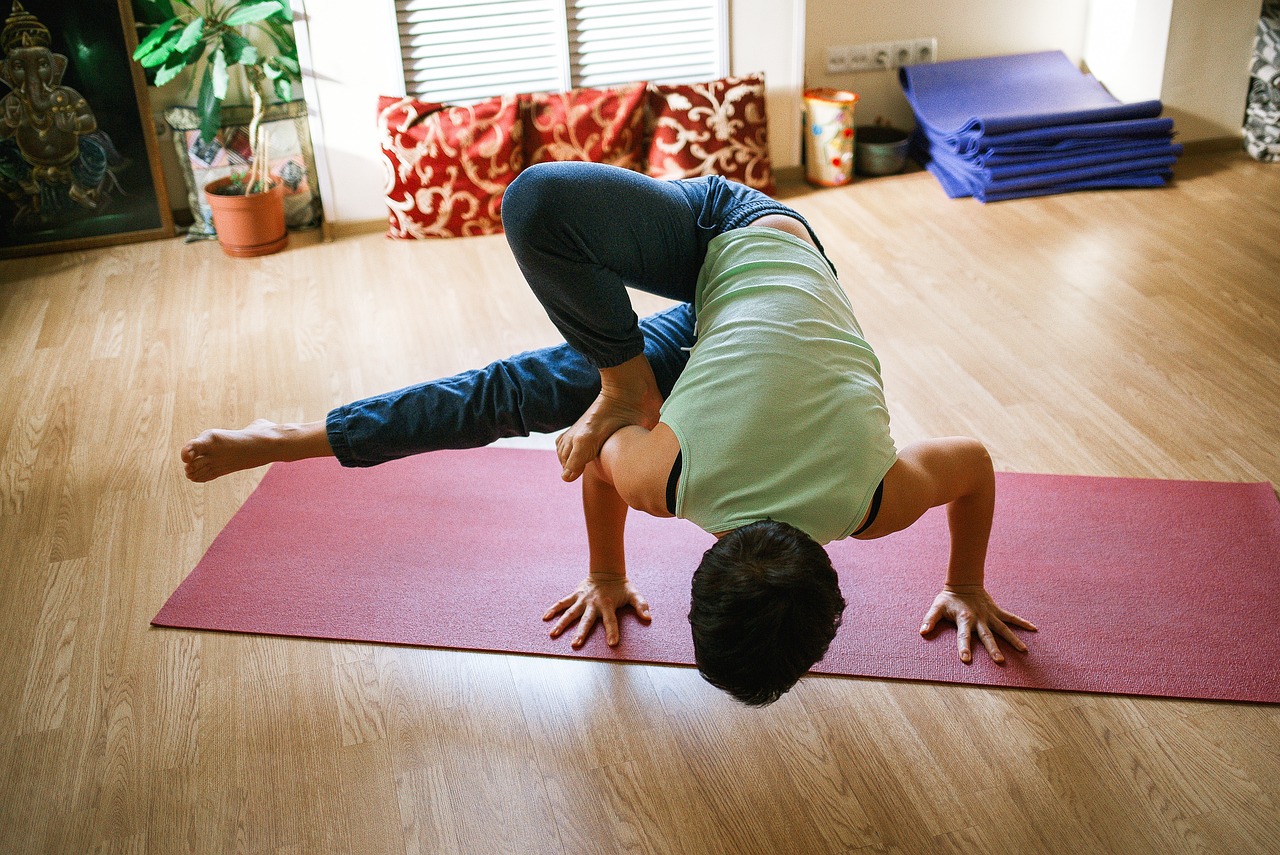
Triathletes often face significant physical demands. Yoga acts as a powerful tool for enhancing recovery. It provides both mental and physical benefits. By integrating yoga, athletes can improve flexibility, strength, and balance. These elements are crucial for performing at peak levels in swimming, cycling, and running. Yoga sessions specifically designed for triathletes can emphasize stretches that target major muscle groups. This facilitates improved circulation and reduces recovery time. Participating in regular yoga practice also helps manage stress. Triathletes frequently experience mental fatigue, which can lead to burnout. Mindfulness techniques taught in yoga allow athletes to focus better during training. Moreover, practicing yoga can prevent injuries that might otherwise occur during intense training. By nurturing flexibility and reducing muscle tension, athletes protect themselves from strains and sprains. Additionally, proper breathing techniques learned in yoga enhance endurance. Having a strong mind-body connection helps triathletes stay focused and maintain motivation throughout grueling training sessions. In summary, incorporating yoga can lead to both improved performance and reduced injury risk for triathletes.
Physical Benefits of Yoga for Triathletes
The physical benefits of yoga are substantial for triathletes. The sport demands exceptional endurance and strength, which yoga can enhance. Core strength is essential for swimming and cycling; yoga poses significantly engage core muscles. By concentrating on a range of postures, triathletes gain access to unique stretches that improve overall body flexibility. When the body is more flexible, the potential for injuries decreases significantly. Furthermore, yoga helps identify and correct muscle imbalances. Through consistent practice, athletes can strengthen weaker areas, ensuring balanced development. Additionally, yoga incorporates poses that promote recovery by aiding in muscle relaxation. After intense workouts, the restorative aspects of yoga directly contribute to faster healing. Also, the focus on breathing techniques improves respiratory efficiency. Enhanced lung capacity plays a crucial role in endurance sports. Coordination between breath and movement during yoga aligns well with triathlon disciplines. Practicing deep breathing helps triathletes handle lactate build-up effectively. Consequently, athletes can train harder and recover faster, leading to improved performance. The integration of yoga into a triathlete’s training regimen creates valuable advantages.
Injury prevention is another key area where yoga excels. The repetitive nature of triathlon training can lead to chronic injuries. Yoga’s emphasis on body awareness enables athletes to recognize signs of strain before they escalate. Certain poses develop the strength and flexibility needed to support joints and muscles. For instance, poses such as Downward Dog and Warrior II target the legs comprehensively. They help in developing strength in the quadriceps and hamstrings, reducing stress on knees. When span of motion improves, the chances of injuries decrease significantly. Furthermore, yoga teaches proper alignment, vital for maintaining good mechanics during sports. Awareness of how to align the body properly ultimately reduces overuse injuries. Over time, stronger, more resilient muscles form, providing better support for demanding workouts. The integration of meditation and mindfulness also assists in psychological resilience. A holistic approach recognizes that mental preparedness is just as crucial for athletic success. Athletes who consistently practice yoga often showcase greater focus and perseverance. This translates into everyday training sessions and competitive events. Thus, preventing injuries through yoga can prolong an athlete’s career significantly.
Yoga Techniques to Incorporate
To harness the full benefits of yoga, triathletes should consider specific techniques. Starting with basic yoga classes dedicated to athletes, participants can learn appropriate adaptations for their needs. Poses like the pigeon and butterfly work wonders for hip flexibility. These are crucial for running efficiency and overall mobility. Triathletes can also benefit from standing poses such as tree and triangle for improving balance. Balance is essential, especially during running and cycling segments. Incorporating gentle flow sequences into workouts creates a dynamic practice that can enhance stamina. Integrating breathwork or Pranayama during sessions expands lung capacity significantly. This focus on controlled breathing also helps prepare for endurance challenges. Complementary restorative exercises such as child’s pose and legs-up-the-wall are vital after lengthy workouts. These poses allow deep relaxation and recovery. Stretching after vigorous exercises allows muscle fibers to lengthen, reducing tightness. It’s also advisable for triathletes to maintain a consistent yoga schedule, dedicating time weekly to practice. By doing so, they build flexibility, strength, and adequate emotional balance over time. Regular participation becomes the foundation for injury prevention and improved performance.
A common misconception is that yoga is solely about flexibility. In reality, it encompasses strength, endurance, and stability. Hence, attribute yoga to overall physical performance. A wide range of poses promotes strength in underutilized areas such as the core, back, and glutes. Targeting these parts can support vital movements in swimming, cycling, and running. Additionally, yoga builds resilience through mental focus and self-awareness. Every pose encourages athletes to explore personal limits, promoting growth both mentally and physically. Moreover, individual adjustments can work to meet various proficiency levels. Whether a beginner or an experienced yogi, the practice can be tailored. Proper guidance can offer modifications to enhance comfort levels. Diverse sessions—Vinyasa for energy and Hatha for recovery—provide options suited for particular training phases. Additionally, triathletes may also find philosophical aspects appealing. Concepts of mindfulness can redefine their approach toward competing. Emphasizing inner calm amid intense activity can significantly change performance. Developing mindfulness within athleticism promotes mental clarity. Athletes can cultivate patience and endurance needed to excel. A seamless partnership between yoga and triathlon leads to enriched training experiences and success on race day.
Conclusion
In conclusion, training for triathlons is physically taxing. However, incorporating yoga leads to enhanced recovery and injury prevention. By engaging in yoga, triathletes can improve their flexibility, strength, and overall athletic balance. Regular practice fosters mindful awareness, allowing athletes to address weaknesses proactively. This shift not only prevents injuries but also amplifies performance in competitive events. Specific yoga poses can target areas often neglected in traditional training. Additionally, each pose teaches athletes about breath control. Improved breathing techniques enable better oxygenation during intense competition segments. Moreover, yoga’s restorative benefits ensure adequate recovery time, letting muscle fibers heal properly. Developing a regular yoga routine ultimately supports long-term athletic health. As athletes continue their triathlon journeys, exploring yoga’s multifaceted advantages can provide astonishing results. It’s time triathletes recognize the value yoga adds, moving beyond flexibility to encompass mental and physical harmony. A holistic approach that intertwines yoga with their training regimens paves the path for success. Establishing this connection further promotes longevity in the sport. With yoga in their toolkit, triathletes are equipped for achieving their goals without compromising their health.
Triathlon training requires discipline and dedication. Integrating yoga significantly enriches athletic performance. As athletes train, the intensity of each discipline amplifies the risk of injury. Consequently, employing recovery strategies becomes paramount. Yoga stands out among these strategies due to its comprehensive benefits for both body and mind. From physical developments to mental clarity, yoga offers tools necessary for succeeding in triathlons. Transitioning between multiple sports during a triathlon can challenge an athlete’s physical limits. In this context, practitioners can experience a distinct evolution in their training. They discover deeper stretches accompanied by enhanced strength. Continuously developing strategies for integrating yoga into routines can be pivotal. It supports long-term health and resilience, essential for overall well-being. Triathletes must address their physical concerns by prioritizing recovery and injury prevention. Establishing supportive habits through yoga practice becomes a transformative experience. Not only does it support physical capabilities, but it also bolsters mental toughness and focus. Whether in training or competitions, implementing yoga can create opportunities for success. As athletes explore every beneficial aspect, the key takeaway emerges—a commitment to both yoga and triathlon creates truly rewarding results.
Ultimately, cultivating flexibility and strength through yoga should be prioritized. Triathletes gain from yoga not just in recovery but across their entire athletic journey. Mindfulness approaches enhance awareness of both the body and mind. Engaging correctly in yoga practices can deepen athletes’ understanding of their limits. This intrinsic awareness helps them navigate potential injury risks. Physical benefits manifest as improvements in flexibility, stability, and strength. Each of these components plays a critical role during competition. Yoga fosters resilience, critical for maintaining focus throughout endurance challenges. As trainings become more rigorous, triathletes often face mental fatigue. This psychological aspect marks the importance of incorporating yoga practices. In addressing both mental and physical challenges, holistic recovery strategies flourish. Integrating yoga into a triathlete’s life is a compelling solution. By enabling thorough recovery, yoga ultimately leads to increased performance benefits. Triathletes who prioritize yoga cultivate balance in their training regimen. On account of this, each new training cycle culminates in growth. Sustained improvements inspire athletes to explore their potential fully. Therefore, the connection between yoga and triathlon offers unparalleled rewards, essential for personal achievement and fulfillment in athletic pursuits.