
Fat Loss Nutrition Strategies Without Losing Muscle Mass
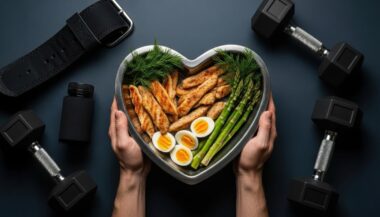
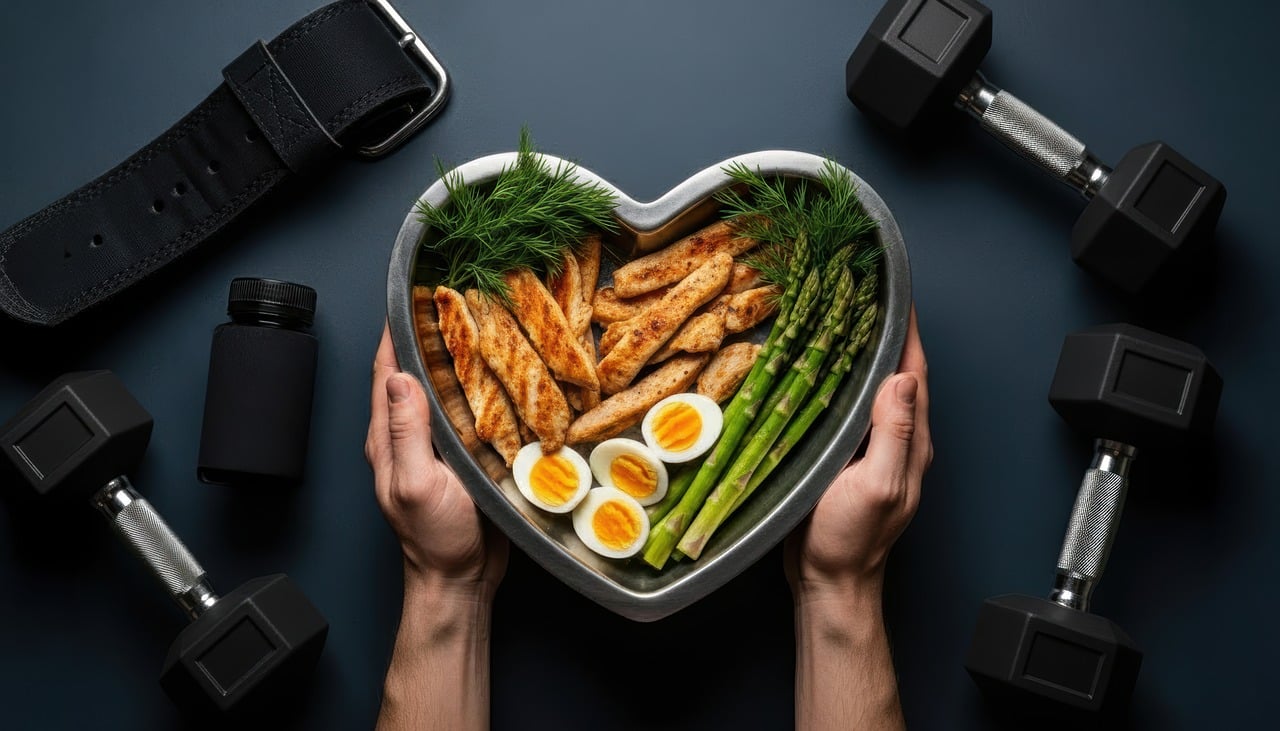
Achieving fat loss while preserving muscle mass is crucial during bodybuilding competitions. The approach to nutrition is vital in maintaining lean muscle while reducing body fat. A calorie deficit is essential but should not be extreme; aim for a reduction of 500 calories per day. Include high-quality protein sources, such as chicken, fish, beans, and legumes, to support muscle retention. It’s essential to spread protein intake throughout the day, ideally in every meal, to optimize muscle protein synthesis. Incorporate healthy fats, like avocados and nuts, which aid in hormone balance, further promoting muscle preservation. Carbohydrates also play a significant role in providing energy for workouts. Choose slow-digesting carbs like oats and sweet potatoes to keep energy levels stable. Hydration is equally important; drinking sufficient water ensures optimal metabolic function and recovery. Additionally, supplements such as branched-chain amino acids (BCAAs) can help minimize muscle breakdown during caloric restrictions. Focus on nutrient-dense foods that provide the vitamins and minerals needed for overall health. By meticulously crafting your nutrition plan, you can achieve fat loss while effectively maintaining muscle mass in preparation for competitions.
Nutritional timing is another strategy that can optimize fat loss without sacrificing muscle mass. Consuming meals at strategic intervals aids in maximizing muscle recovery and growth. A great strategy is to consume a pre-workout meal consisting of protein and carbs about 30-60 minutes before exercising. Post-workout nutrition is equally important; having protein and carbohydrates within the first hour after training will help in muscle recovery and repletion of glycogen stores. This timing can enhance performance in subsequent workouts while supporting muscle repair. Keeping your meals balanced in macronutrients is crucial. An ideal bodybuilding meal should include a source of protein, complex carbs, and healthy fats. Aim for vegetables to provide essential fiber and micronutrients too. Consider portion control as a method to manage caloric intake better. Using a food scale at first can help you understand serving sizes. Meal prepping in advance can promote better adherence to your nutritional plan. Furthermore, tracking your meals with apps can provide insights into your food choices and nutritional balance. Personalizing your meal plan based on your body’s responses can lead to optimal results as you prepare for competitions.
Understanding Macronutrient Ratios
To maximize your muscle retention while losing fat, understanding macronutrient ratios is fundamental. The ideal percentage for a bodybuilding diet often follows a general guideline of approximately 40% protein, 40% carbohydrates, and 20% fats. Altering these ratios slightly, based on individual responses, can offer better results. Protein should be prioritized, with a target of 1.2 to 2.2 grams per kilogram of body weight. Consuming adequate protein helps maintain muscle tissue and promotes recovery post-exercise. Carbohydrates are essential for fuelling workouts and enhancing performance. Slowly tapering carbohydrate intake as competitions approach can assist in fat loss, but they should not be eliminated completely. Healthy fats are crucial as well; they provide energy and are necessary for hormone production, which regulates muscle growth and fat loss. Omega-3 fatty acids, found in fish oil and flaxseeds, can also support recovery and reduce inflammation. Listening to your body is paramount to finding the right balance that works for you. Individuals may respond differently to macronutrient ratios, so be prepared to adjust as needed.
One significant aspect of bodybuilding nutrition is managing sugar intake effectively. While simple sugars can provide a quick energy boost, excessive consumption often leads to fat gain and should be minimized. When carbohydrate intake is essential post-workout, choose sources that are less refined, providing more nutrients. Whole fruits can be used for their natural sugars and additional fiber. Opting for low-glycemic carbohydrates can also keep insulin levels stable, aiding muscle retention during fat loss. Paying attention to meal composition is crucial; manage portions to stay within caloric limits while prioritizing nutrients. Understanding food labels helps in choosing appropriate products while avoiding hidden sugars or empty calories. Anti-inflammatory foods can support recovery and overall well-being; colorful fruits and vegetables, whole grains, and fatty fish are great options. Planning cheat meals can help satisfy cravings while remaining aligned with overall goals. By managing sugar intake and focusing on whole foods, you can maintain energy levels necessary for intense training. A balanced approach to carbohydrates ultimately helps in fat loss while maintaining muscle integrity.
Supplements for Muscle Preservation
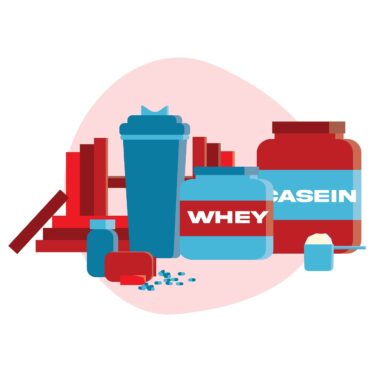
In the context of bodybuilders, supplements can play a valuable role in maintaining muscle while shedding fat. Creatine is one of the most researched supplements and can improve strength and muscle volume. Taking creatine can enhance performance, particularly during high-intensity training, allowing you to lift heavier and maintain muscle mass effectively. For those focusing on muscle preservation during a caloric deficit, branched-chain amino acids (BCAAs) are beneficial. These can help prevent muscle breakdown and enhance recovery post-exercise. Whey protein is another supplement that can support muscle retention; it’s particularly useful for meeting protein goals when whole foods are not accessible. Furthermore, a multivitamin can help ensure adequate micronutrient intake, which supports overall well-being and muscle function. Vitamin D and calcium are crucial for muscle contraction. Consult a healthcare professional before starting a new supplement regimen, particularly during a calorie-restricted diet, to ensure it aligns with your specific bodybuilding goals. Understanding your supplement needs can provide an edge in a competitive field where muscle preservation is essential.
Maintaining mental health is closely tied to nutrition strategies when preparing for bodybuilding competitions. Stressful dieting can lead to negative habits and possible binge eating, causing setbacks. Adopting a flexible mindset towards food is essential for long-term success. It’s vital to remember that your nutrition strategy should promote a healthy relationship with food. Allowing occasional treats or cheat meals can enhance adherence to your nutritional goals and prevent feelings of deprivation. Engaging in community activities or support groups can foster motivation and accountability. Practicing mindfulness during meals, such as eating slowly and savoring flavors, can also reduce anxiety around food. Staying connected with your goals and progress through journaling can serve as a motivational tool. Seeking professional advice, such as from registered dietitians, can provide customized strategies tailored to your individual needs. Understanding your triggers and stressors around food can help in creating a healthier outlook. Additionally, incorporating self-care routines that fit into your day will support both physical and mental well-being. Balancing these elements is crucial in sustaining performance and health as you lead into competition.
Final Thoughts on Preparing for Competitions
As competition approaches, refining your nutrition strategies becomes critical for optimization. Implementing all the discussed strategies can foster muscle retention while achieving fat loss. Ultimately, nutrition should align with your training and recovery needs. Creating a schedule for your nutritional intake can help maintain consistency. Focus not only on what you eat, but also when you eat, to support physical performance throughout the day. Consistently reviewing and adjusting your plan based on body response is necessary for the best results. Lastly, portion control aids in managing total caloric intake while allowing flexibility. Stay well-informed on how your body reacts to different foods and dietary adjustments. Documenting your eating patterns can reveal beneficial insights for future competitions. Nutrition is not only about restrictions but should also embrace healthy choices that support body composition goals. By crafting an individualized plan, considering various factors, and incorporating lifestyle habits, you are more likely to achieve the desired weight and muscle balance. Harnessing these strategies will maximize your potential as you prepare for bodybuilding competitions, ensuring optimal performance and progress.