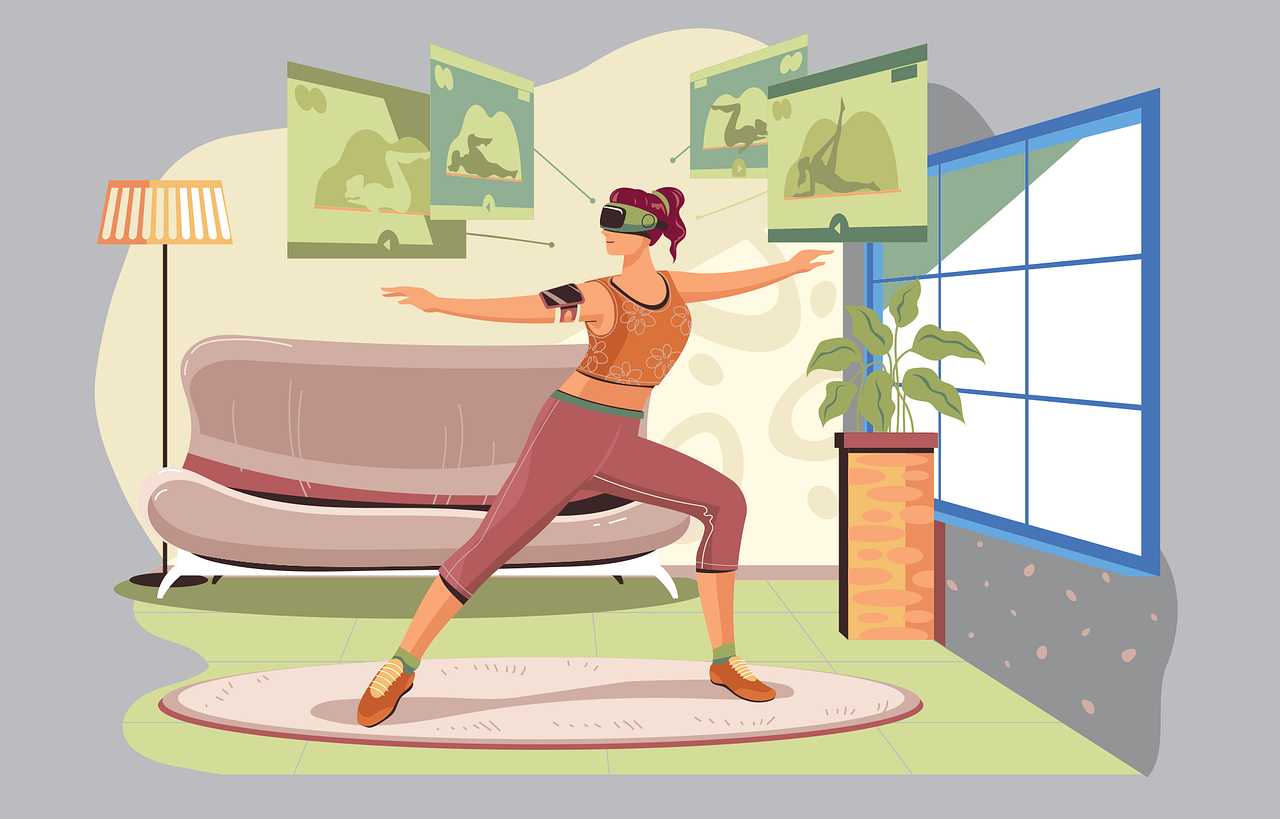

Augmented Reality in Fitness: Benefits and Challenges
Augmented reality (AR) technology is making waves in the fitness industry, transforming how individuals engage in workouts and training routines. This technology enhances the user’s experience by overlaying digital information on the real world, offering personalized feedback and insights. Fitness apps utilizing AR can recognize real-world surroundings and integrate spatial data, creating highly interactive environments for exercise. Users are driven to achieve better results as they receive real-time guidance, promoting motivation through engaging visuals. Moreover, AR offers a novel way to connect with others through virtual classes, enabling participants to feel a part of a community even while at home. The accessibility of fitness through augmented reality means that people can train anytime, anywhere. However, the implementation of AR technology in fitness is not without its challenges. Factors such as connectivity, device compatibility, and usability need to be considered. Developing quality AR experiences requires substantial investment and technical expertise. Additionally, it is essential to ensure users are not overwhelmed with visual stimuli, as this could detract from the overall experience and effectiveness of the workout.
Despite the challenges, the benefits of augmented reality in fitness are numerous and noteworthy. One significant advantage is that AR can cater to a wide range of fitness levels, from beginners to seasoned athletes. Customized workouts based on an individual’s capabilities can be crafted, allowing users to progress at their own pace. This adaptability encourages a more inclusive fitness culture, where everyone feels welcomed to participate. Additionally, AR technology can gamify workouts, turning exercise into an exhilarating experience. Various applications allow users to earn points, unlock levels, and receive rewards, making the fitness journey enjoyable and competitive. This aspect also helps to maintain long-term engagement, reducing dropout rates among users. Another noteworthy benefit of AR in fitness is its ability to assist users in learning proper techniques and forms. Through visual cues and guidance, participants are less likely to perform exercises incorrectly, ultimately decreasing the likelihood of injuries. As more fitness professionals adopt AR solutions, the landscape of personal training will continue to evolve, further embracing technology to enhance physical health and well-being.
Improving User Engagement
One of the fundamental aspects of fitness is the need for motivation, and augmented reality excels at enhancing user engagement. By creating immersive environments, AR encourages users to push beyond their limits, resulting in improved performance and consistency. Many fitness apps utilize AR technology to transform mundane routines into exhilarating experiences that captivate users’ attention. For instance, augmented reality can simulate outdoor environments for indoor cycling, allowing users to feel as if they are riding alongside others in a beautiful landscape. This sensation can significantly influence a workout session, making it more enjoyable and memorable. Furthermore, the social aspect of AR fitness applications allows users to share their journeys with friends and the broader community. Social media integration further amplifies this connection, where achievements can be displayed, fostering a sense of belonging and camaraderie. Such communal experiences can encourage users to set goals and challenge each other, thus promoting accountability. Ultimately, augmented reality not only provides necessary motivation but also cultivates lasting connections that enhance the overall fitness experience, making exercising an essential part of daily life.
However, it is crucial to recognize that integrating augmented reality into fitness also presents certain challenges. One of the primary concerns includes ensuring adequate accessibility for all users. Not everyone may possess the latest smartphone devices or strong internet connections necessary for using AR applications effectively. This digital divide can create disparities in who can benefit from AR fitness innovations. Manufacturers will need to address these inequalities to ensure a broader audience can access immersive fitness experiences. Additionally, the reliance on technology raises concerns about privacy and data security. As users engage with AR apps, they may share personal health data and location information, which need to be safeguarded. Many users may have reservations regarding how their information is collected and used, which could limit adoption. Moreover, AR experiences need to be designed mindfully to avoid overwhelming users with excessive visual stimuli. Striking a balance between engaging and effective experiences will be crucial to achieving success in augmented reality fitness applications and maintaining user satisfaction.
The Future of Fitness with AR
As technology continues to advance, augmented reality’s impact on the fitness industry is only expected to grow. The potential for AR applications to evolve is immense, with new developments on the horizon. Innovations in AR headset designs, such as lighter, more comfortable devices, could further enhance user experiences. Additionally, integrating Artificial Intelligence (AI) technologies with AR can create personalized workout plans based on users’ preferences and performance data. This synergy has the potential to elevate fitness results significantly and ensure that users remain engaged over extended periods. Furthermore, as virtual reality (VR) and AR technologies further converge, the distinction between traditional training and immersive environments will diminish. Fitness professionals may adapt their teaching methods to incorporate these advanced tools, blending physical and virtual elements to design workouts that are engaging and effective. Collaborations between tech companies and fitness brands could also lead to dynamic solutions that cater to various market segments. Overall, the fusion of augmented reality and the fitness industry is bound to reshape the landscape for future fitness enthusiasts.
Moreover, augmented reality can bridge the gap between fitness enthusiasts and professionals. Online training programs can leverage this technology to facilitate personalized feedback and support in real-time, creating a more engaging environment for users. For instance, trainers can analyze users’ forms and create tailored suggestions based on actual performance. This level of personalized coaching can lead to increased workout effectiveness and help users reach their fitness goals faster. As AR technology becomes more integrated into online fitness platforms, the landscape of personal training and group classes may change forever. The flexibility of AR allows for convenient at-home workouts and engaging group classes that create an authentic sense of participation. Users can motivate one another even from a distance, enhancing accountability. In this way, augmented reality not only transforms existing workouts but fosters a new culture of exercising where community spirit thrives despite physical distances. Ultimately, as the technology matures, it is likely to pave new paths for building lasting habits and encouraging healthier lifestyles globally.
Conclusion
In summary, augmented reality holds transformative potential in the fitness sector, providing innovative solutions to engage users and overcome traditional barriers. While challenges such as accessibility, privacy, and the user experience must be addressed, the rewards far outweigh the risks. With continued investment in AR technology and thoughtful design, the future of fitness may see significant enhancements in engagement, motivation, and overall well-being. The incorporation of AR could become mainstream within fitness cultures around the world, offering participants the means to experience their workouts in entirely new dimensions. By creating interactive environments and promoting social connections, augmented reality caters to users’ needs beyond physical training. This multifaceted approach will undoubtedly drive individuals toward healthier lifestyles while exploring the latest fitness trends. Embracing these advancements can empower a diverse audience to pursue their health goals or indulge in personalized fitness activities that resonate with them. As the fitness landscape evolves, augmented reality is poised to become indispensable for many as they navigate their paths towards health and wellness.
Benefits of AR Fitness
When exploring the benefits of augmented reality fitness, several key factors emerge. One significant advantage of leveraging AR technology is that it enhances real-time feedback during workouts. Users can receive immediate corrections and guidance on their exercise techniques, which helps prevent injuries. Furthermore, AR applications facilitate tracking performance metrics, such as heart rate and calories burned, enabling individuals to analyze their progress effectively. These tools ultimately foster accountability and encourage users to set and achieve their fitness goals. Additionally, augmented reality can boost motivation by adding a playful element to workouts. Gamifying exercises encourages participants to engage more rigorously, translating efforts into measurable results. Users can compete against themselves or others, fostering a communal spirit around health and fitness. With visual cues, individuals can visualize their targets and achievements, contributing to a sense of accomplishment. The journey of fitness can be redefined through AR, as it creates a uniquely personalized experience rather than a one-size-fits-all approach. Ultimately, the integration of augmented reality into the fitness landscape serves as an innovative way to inspire commitment to health and well-being.