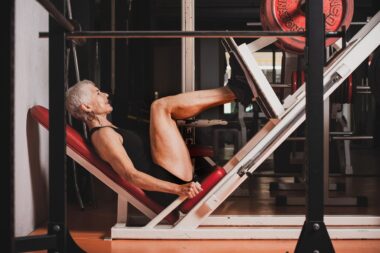

Strength Training Myths Debunked for Older Adults
Strength training is crucial for older adults, yet many misconceptions hinder their participation. One myth suggests that older adults should avoid weightlifting due to injury risks. This belief is unfounded, as research confirms that supervised strength training can safely enhance health and mobility for seniors. A common fear stems from the idea that lifting weights leads to unnecessary muscle bulk, which is rarely an issue with older individuals due to hormonal changes. Instead, strength training improves muscle function and increases overall strength. Another misconception claims that older adults will not see any results from strength training. In reality, even modest resistance exercises yield substantial benefits for those aged 65 and older. These advantages include not only muscle gain but also improved bone density, balance, and decreased fall risk. Additionally, many people believe strength training is only for athletes or younger individuals, but this activity is essential for all ages. Evidence increasingly shows that seniors can benefit immensely from weight exercises. Therefore, breaking these myths will encourage older adults to embrace strength training as part of a healthier lifestyle.
One major myth regarding strength training for the elderly is that they are not strong enough to lift weights. This notion is misleading, as even light to moderate resistance can yield significant improvements in muscle mass and strength. Empowering older adults through properly designed strength training programs can lead to independence in daily activities. It is essential to adapt this exercise appropriately, taking into account individual abilities and limitations. Moreover, there is a misconception that strength training only benefits physical appearance. In reality, engaging in regular resistance training can enhance mental health through improved mood and cognitive function. Studies suggest that strength exercises can significantly reduce symptoms of depression and anxiety in older populations. Many older individuals are under the impression that once they reach a certain age, it is too late to start strength training. Nevertheless, regardless of age, beginning a strength training regimen can yield positive health outcomes. Tailored programs designed specifically for older adults can be particularly effective in promoting wellness. Providing group sessions or partnering with trainers can help boost motivation and encourage participation, ultimately challenging these myths around strength training.
Promoting Strength Training for Seniors
In addition to cardiovascular exercise, strength training plays a vital role in maintaining health and independence in older adults. Numerous studies have demonstrated the efficacy of resistance training in improving muscle strength, joint function, and balance, which are crucial aspects of everyday living. Furthermore, older adults who incorporate strength training into their routine experience fewer chronic conditions, including obesity and hypertension. It is essential to dispel the myths surrounding age-related limitations to encourage older adults to begin strength training. Many believe that lifting weights is only for younger individuals, but engaging in resistance exercises can benefit users of all ages. Families and caregivers must play an essential role in motivating older adults to be active and consider integrating strength training into physical therapy sessions or fitness classes. Additionally, older adults should seek out resources that offer safe and effective programs tailored to their needs, helping to facilitate their exercise journey. By challenging conventional beliefs and providing appropriate education, we can create a more supportive environment for older adults to incorporate strength training into their daily routines.
Another prevalent myth is that older adults may fall during strength training exercises; however, this concern can be alleviated through proper guidance and supervision. Gyms and community centers increasingly offer classes specifically designed for seniors, focusing on foundational strength and balance exercises to minimize risks. Furthermore, implementing flexibility and stretching routines alongside strength training can improve range of motion, ultimately assisting in maintaining stability during physical activities. Engaging in group classes can help counteract feelings of isolation that many older adults face. Participants can find motivation and camaraderie while focusing on their fitness together. This social aspect of group training is essential in enhancing adherence to a regular exercise regimen. Moreover, individuals who embrace strength training often report improved daily functioning, from walking to climbing stairs and carrying heavy groceries. These practical benefits go beyond aesthetics and foster a sense of achievement and self-worth among participants. Ultimately, initiating strength training can provide older adults with empowerment, assisting them in reclaiming their independence and confidence in daily tasks. Encouraging strength training participation is vital to improving overall quality of life as we age.
Conclusion: Embracing Strength Training
In conclusion, debunking the myths surrounding strength training for older adults is essential to promoting health and well-being in our aging population. There is an urgent need for educators, trainers, and healthcare providers to raise awareness about these misconceptions while providing accurate information regarding the many benefits of strength training. As we embrace the concept that strength training is not just for the young but vital for all ages, we can improve the lifestyle choices of our older adults dramatically. Community programs and resources dedicated to older adults should focus on increasing participation in resistance exercises to foster a more active and healthier society. Personal trainers can significantly impact older adults’ fitness journeys by tailoring programs that address their unique needs and concerns. It is imperative that seniors recognize the numerous advantages of incorporating strength training into their routines, including enhanced physical health, improved emotional well-being, and better overall quality of life. As more older adults choose to participate in resistance training, the stigma surrounding aging and fitness can be challenged and ultimately eliminated. By prioritizing strength training, we can support the health and happiness of older adults everywhere.
Finally, ongoing education and advocacy in fitness communities are crucial for empowering older adults to embrace strength training actively. Health organizations and fitness clubs should strive to create inclusive environments that welcome seniors and provide tailored programs. This fosters not just physical activity but a supportive community where older adults can share their experiences and learn from each other. Additionally, technological advancements can assist seniors in engaging with strength training through online classes and virtual communities, allowing individuals who may feel insecure about attending physical classes to participate at their own pace. Developing awareness and addressing the misconceptions related to strength training stand to transform the lives of many older adults. As perceptions change and interest increases, more individuals will experience the many benefits that strength training offers. Independent living, improved physical function, and enhanced emotional health are just a few of the incredible advantages that come from embracing strength training. By addressing these myths and fostering an environment of acceptance and encouragement, we can significantly contribute to a healthier future for our aging population.
Encouraging strength training among older adults should emphasize individual growth and progress instead of competition. As people learn to appreciate their achievements, they develop newfound confidence and power in their ability to work towards fitness goals. This journey toward personal improvement can be incredibly enriching, and recognizing one’s capabilities fosters ongoing motivation. As communities work to create resources and programs tailored to seniors, we will witness an increase in participation and ultimately more vibrant, healthier lives among older individuals. Through the promotion of strength training, we aim not only to dispel myths but also to create a culture that values fitness and wellness at every stage of life. Engaging storytelling and social connections within strength training environments will become vital components of maintaining interest and participation in these activities. Ultimately, it is the persistence of community support and encouragement that helps strengthen the resolve of older adults, empowering them to break down any barriers to their fitness journeys. As we continue to provide better access to safe and effective strength training options, we pave the way for an active aging revolution that benefits not just individuals but society as a whole.
Older adults embarking on their fitness journeys deserve encouragement as they confront and overcome challenges related to strength training. It is essential to remember that beginning any new regimen requires patience and persistence. Fitness professionals must remain empathetic to the unique situations older adults encounter while fostering a nurturing environment that inspires confidence. By tailoring approaches to various levels of fitness and ability, trainers can help older individuals build strength gradually, focusing on long-term development. Comprehensive education about resistance training can also provide mental reinforcement by addressing common concerns and promoting proper techniques. As we work towards debunking myths, sharing success stories from peers can motivate others to recognize the potential within themselves. Highlighting relatable experiences will allow older adults to see that strength training is not only feasible but essential in maintaining their health and vitality. As these myths fade away and awareness expands, the opportunity for older adults to maximize their well-being through strength training becomes more attainable. Henceforth, let our collective effort in promoting strength training lead us to a society where health, happiness, and vitality flourish, regardless of age.