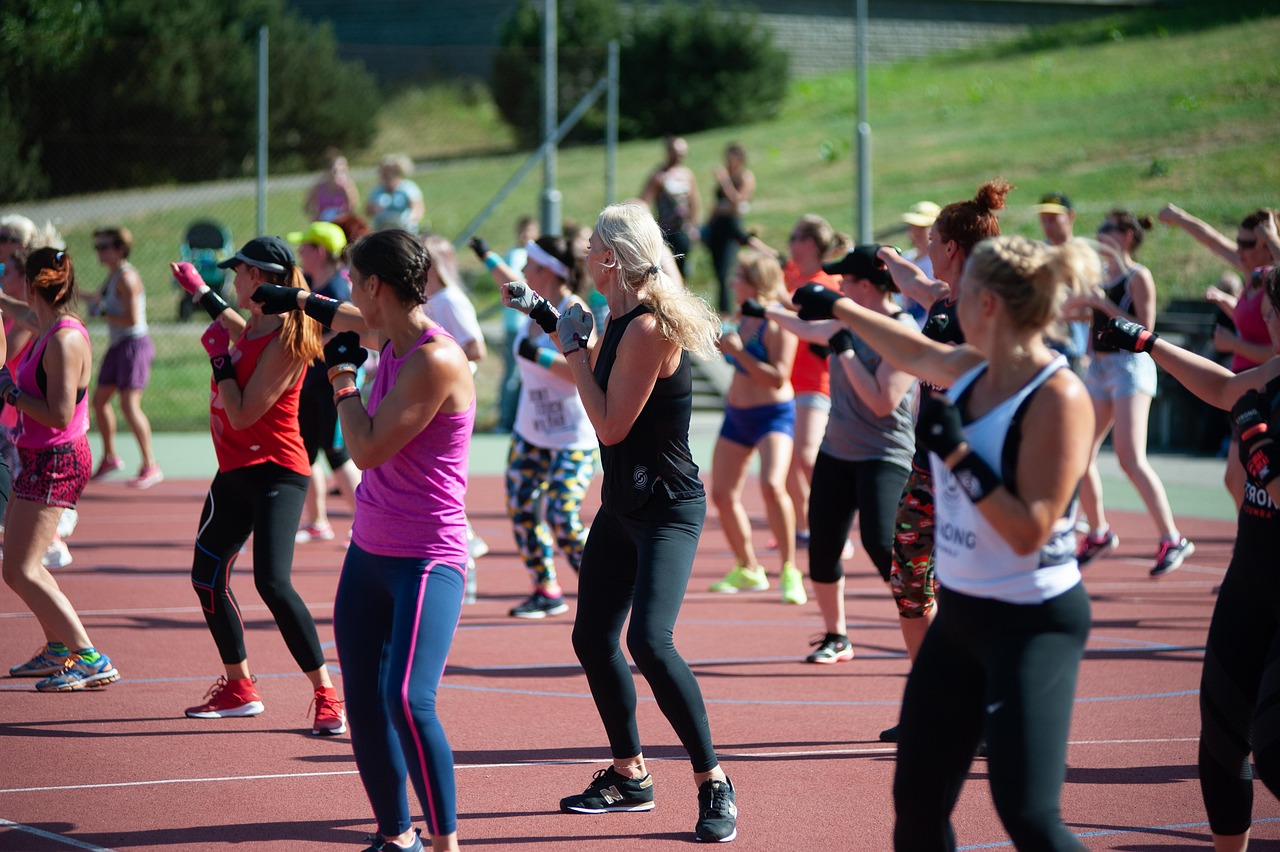

Low-Impact Dance Fitness Classes: What to Expect
Low-impact dance fitness classes offer a vibrant and enjoyable way to exercise without the stress on joints typically associated with high-impact activities. These classes combine rhythmic movements with music, promoting cardiovascular health while being gentle on the body. Participants can expect a welcoming environment where individuals of all skill levels can engage safely. Instructors often emphasize proper form and technique, allowing attendees to gain confidence and mastery over the movements. The classes often include a mix of dance styles, such as jazz, ballet, and hip-hop, which keeps the workouts fresh and exciting. Low-impact dance sessions also promote flexibility, balance, and coordination, which are essential for overall body functionality. Overall, each class provides a full-body workout that is both fun and effective, making it an enjoyable option for those looking to stay active. For those interested in trying a low-impact dance fitness class, it’s advisable to wear comfortable clothing and supportive footwear. They should stay hydrated throughout the session to maximize energy and performance. Classes can be found at local gyms, community centers, and dance studios, making them widely accessible.
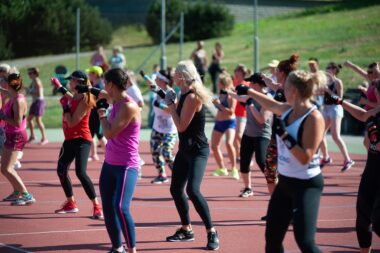
One of the primary advantages of low-impact dance fitness classes is their adaptability. These classes cater not only to seasoned dancers but also to beginners and those returning to fitness after a hiatus. Instructors customize exercises to accommodate various fitness levels, ensuring everyone can participate comfortably. This inclusivity helps to create a supportive atmosphere where everyone can thrive. Participants can typically expect a warm-up session at the beginning of each class to prepare their bodies for movement. This is crucial in preventing injuries while building stamina for the upcoming activities. The choreography often includes gentle movements, allowing participants to learn at their own pace. Moreover, the social aspect of dance brings a sense of community to the classes, as individuals often form friendships through shared experiences. Engaging in dance fitness can also help reduce stress and improve mood, thanks to the endorphins released during physical activity. As people continue attending, they may notice improvements not just in their fitness levels but also in their overall well-being. Dance fitness classes can be a powerful tool for balance, strength, and joy, promoting a holistic approach to health.
The Health Benefits of Dance Fitness
Engaging regularly in low-impact dance fitness provides a myriad of health benefits for participants. As cardiovascular exercise, it improves heart health while increasing lung capacity over time. Enhancing stamina allows individuals to perform daily activities more easily without exhaustion. Furthermore, the rhythmic nature of dance movements contributes positively to mental health, as participants experience reduced levels of anxiety and depression. The joy of dancing releases endorphins, creating a natural boost in mood and fostering overall happiness. The low-impact aspect also makes these classes suitable for those with chronic conditions, injuries, or older adults, making it an inclusive fitness option. Additionally, the social interaction experienced within these classes promotes a sense of belonging, helping to combat feelings of loneliness. Engaging with others while exercising creates lasting friendships, enhancing emotional health further. With the joyful atmosphere and dynamic environment, participants can find themselves feeling rejuvenated after each session. Over time, they may also observe enhanced flexibility and mobility, as dancing encourages body awareness and control. To reap the maximum benefits, individuals are encouraged to consistently attend classes and combine movement with healthy eating habits.
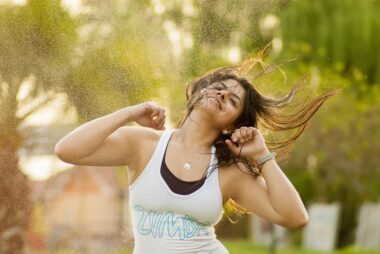
Another dimension of low-impact dance fitness classes is the variety of dance styles incorporated, appealing to a wide audience. Classes may feature Zumba, which merges energetic Latin beats with dance moves, or other cultural styles like African dance, ballet, and even line dancing. This diversity ensures that participants never grow bored and remain motivated while exploring new skills. Instructors introduce unique routines and challenges each week to keep things engaging, allowing attendees to progress and improve their technique. Also, these classes often showcase trending music, creating a vibrant and energized learning environment that encourages participation. The choreography often emphasizes core strength, which directly contributes to stability and posture when performing everyday tasks. Flexibility and overall balance improve as participants engage in these various movements, leading to enhanced athleticism over time. Individuals may also discover new passions for dance or explore creativity through movement. This multifaceted approach not only promotes physical fitness but also helps individuals connect with their inner selves. After multiple classes, dancers typically gain confidence, both in their abilities and overall wellness, leading to significant lifestyle changes.
What to Wear for Dance Fitness
Choosing the right attire for dance fitness classes can significantly enhance comfort and performance during workouts. Participants are encouraged to wear breathable, moisture-wicking tops to stay cool while dancing. Stretchy pants or leggings are ideal, as they allow freedom of movement, vital for practicing various dance steps. Supportive footwear is equally important, as dance shoes prevent injuries and provide stability during class. Many dancers opt for sneakers designed for dance, featuring cushioning and arch support. These footwear options offer a good grip on studio floors, preventing slips during energetic movements. Additionally, participants should consider wearing layers as they warm up during the class, then cool down afterward. Keeping a water bottle nearby is also essential, ensuring hydration is prioritized throughout the workout. Accessories like headbands or hair ties can keep hair out of the face, enhancing visibility and comfort when learning new routines. By selecting appropriate attire, participants can fully focus on their movements while reducing distractions. By dressing correctly, dancers can also present themselves with confidence, making the experience enjoyable and empowering.
Individuals who want to join low-impact dance fitness classes should first research local offerings, ensuring they select a suitable venue. Many gyms, community centers, or studios now offer specialized low-impact classes. Potential participants can review class schedules, instructor qualifications, and any associated costs prior to committing. Checking participant reviews and testimonials can provide insight into the class’s atmosphere and effectiveness. Attending a trial class is often encouraged, allowing newcomers to assess comfort levels before enrolling. Many studios provide drop-in sessions, which allow flexibility with attendance. Before the first class, individuals should familiarize themselves with the dance styles introduced, perhaps practicing basic steps at home to build confidence. Additionally, searching online for playlists from previous classes can be beneficial, as they may effectively prepare participants for the music that will be played. Joining dance fitness online communities can also be helpful, as members often share tips and encouragement. Ultimately, finding the right class should complement personal schedules, fostering a consistent attendance that leads to improved fitness levels and overall satisfaction with the experience.
Conclusion
In conclusion, low-impact dance fitness classes offer an incredible opportunity for individuals seeking enjoyment in their fitness journey. They promote a holistic approach to well-being, encompassing physical, emotional, and social benefits. Participants engage in fun dance routines that enhance heart health, boost self-esteem, and foster connections with like-minded individuals. With varied styles and engaging instructors, every class presents a chance to explore and grow. The supportive atmosphere encourages ongoing participation, making it easier for individuals to stay committed to their fitness goals. Above all, these classes serve as a reminder that exercising doesn’t have to be a chore; it can be a joyful and liberating experience. For anyone considering joining a low-impact dance fitness class, now is the perfect time to take that leap. With motivation, the right attire, and an open mind, you’ll discover the captivating world of dance fitness while reaping all its rewards. Remember to prioritize your health and overall well-being through activities that bring you joy. Low-impact dance fitness is not just a workout; it is a celebration of movement and life.