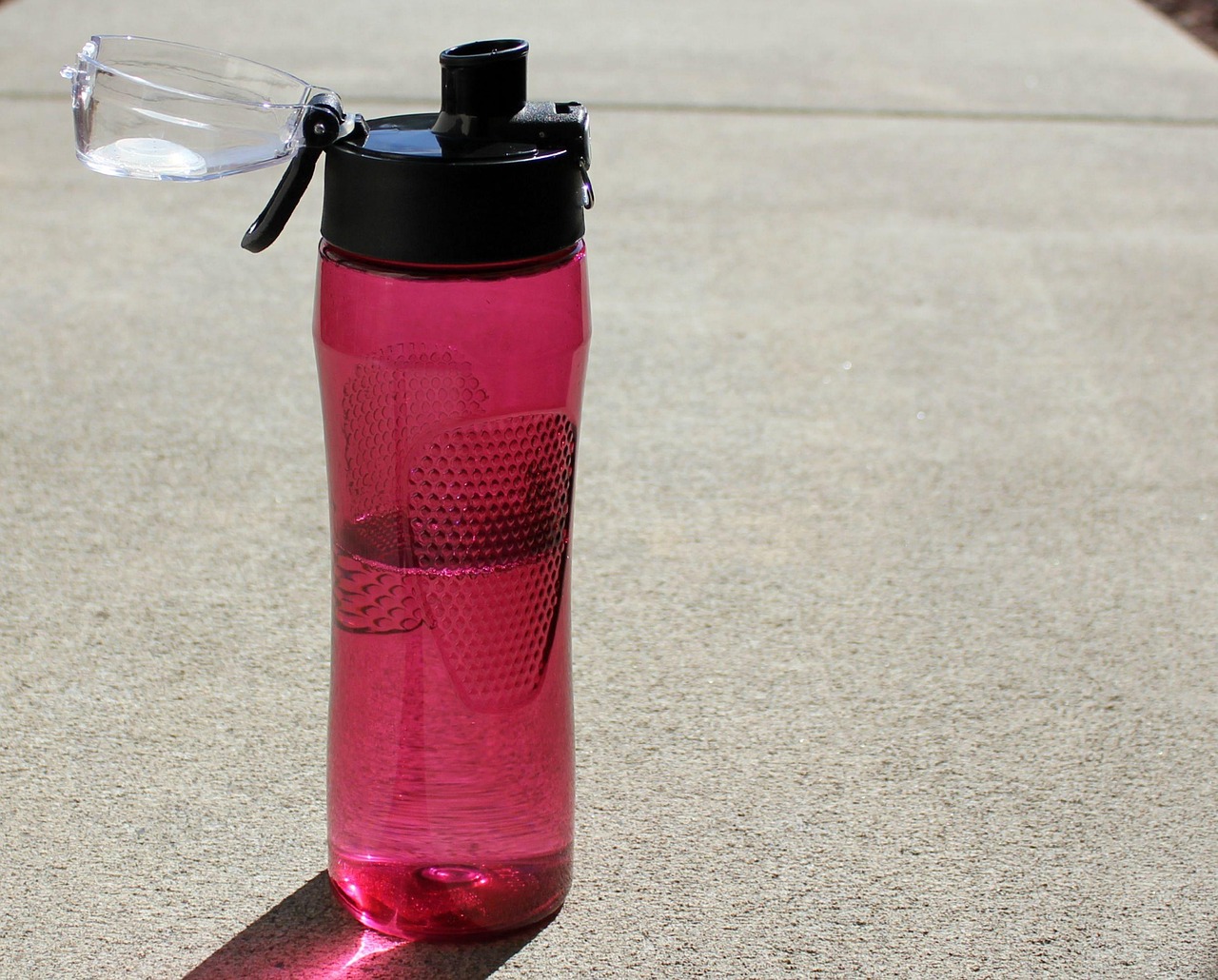

Hydration Strategies to Enhance Pre-Workout Nutrition
Understanding the impact of dehydration on workout performance is crucial for enhancing physical activities. Dehydration can hinder your strength, endurance, and overall performance during workouts. It reduces blood volume, affecting nutrient transport and increasing the risk of fatigue. Therefore, proper hydration not only aids in preventing dehydration but also optimizes pre-workout nutrition. Athletes and fitness enthusiasts should prioritize hydration strategies that include drinking adequate fluids before, during, and after exercise. Electrolytes and carbohydrates should also be considered, as they play a critical role in maintaining fluid balance and energy levels. Consuming drinks with electrolytes can help replenish lost minerals during exercise and enhance recovery. It’s important to choose the right type of fluids, such as water or sports drinks, depending on the intensity and duration of your workout. Remember that hydration is not just about quenching thirst; it’s about preparing your body for optimal performance. By hydrating appropriately, you can improve your results and ensure that your workouts are effective. Consequently, to enhance your pre-workout routine, integrating proper hydration strategies is essential, making a significant difference to your performance.
When formulating hydration strategies, timing is vital. Drinking water and electrolyte-rich beverages should be part of your daily routine, ensuring you are well-hydrated before engaging in physical activity. Aim to consume fluids consistently throughout the day. Furthermore, consider starting your workout with a good hydration base. Aiming to consume at least 500 ml of fluids about two hours prior to exercise can optimize performance. Assessing your hydration status is also crucial; monitoring urine color can help gauge hydration. Clear urine generally indicates proper hydration, while dark yellow suggests dehydration. During prolonged workouts, especially those over an hour, incorporating electrolyte drinks can enhance fluid absorption. Sports drinks containing sodium, potassium, and magnesium can significantly improve hydration status, thus positively influencing performance. Regularly consuming 200 ml of these fluids every 20 minutes during exercise can retain optimal hydration. Lastly, after your workout, rehydration must remain a priority. Aim to replace any weight lost through sweat with fluid, often a bit more than the amount lost. This practice helps speed recovery, allowing athletes to perform better in subsequent training sessions or competitions.
Effects of Dehydration on Performance
Dehydration has several detrimental effects on workout performance. It can lead to decreased strength, muscular endurance, and overall effectiveness of physical tasks. When the body is dehydrated, the cardiovascular system struggles. Blood flow decreases, heart rate increases, and thermoregulation becomes less efficient. This can significantly affect your ability to exercise at higher intensity levels. Cognitive function is also influenced, leading to impairments in focus, coordination, and reaction time. As a result, not only physical but also mental performance can suffer, potentially increasing the risk of injury. It’s also crucial to recognize different signs of dehydration, such as headaches, dizziness, or muscle cramps, which may occur as your body tries to cope with insufficient fluids. Even slight dehydration can cause noticeable drops in performance. Therefore, staying ahead of hydration needs is essential for athletes, especially those engaged in prolonged or vigorous physical activity. Implementing effective fluid replacement strategies during workouts can help mitigate these risks and maintain peak performance levels across all fitness activities.
For those new to exercise or even seasoned athletes, establishing a hydration schedule can be beneficial. Having a drink before exercising, during workouts, and immediately afterward can help maintain optimal hydration status. Water is essential, but it’s equally important to include beverages that provide vitamins and electrolytes. Including coconut water, fruit-infused water, or tailored sports drinks can ensure you meet nutrient needs. Additionally, consuming water-rich foods like fruits and vegetables also contribute to hydration efforts. Foods such as watermelon, cucumbers, and oranges can serve as excellent complements to a hydration plan. It’s vital to recognize personal hydration needs can vary. Factors such as climate, physical exertion level, and individual sweat rates play significant roles. Adapting your hydration strategies according to these factors will ensure that you always maintain optimal performance levels during your workouts. With proper planning and an understanding of your body’s requirements, you can achieve excellent hydration to enhance your overall exercise experience.
Practical Tips for Effective Hydration
Implementing practical tips for effective hydration can make a significant difference in pre-workout preparation. First and foremost, establish a routine. Incorporating hydration into your daily schedule ensures you stay consistently hydrated. Carrying a reusable water bottle can encourage regular fluid intake. Set reminders on your phone or through a hydration app to help keep track of your consumption throughout the day. Secondly, engage in a hydration challenge with your friends or workout partners to make it enjoyable. Social accountability can keep you on track. Thirdly, try flavoring your water with natural ingredients, such as lemon or cucumber. This can make drinking water more enjoyable and less monotonous, encouraging higher fluid intake. Remember to tailor your choices based on your specific workouts, opting for electrolyte pills or powdered mixes during intense sessions. Finally, after exercise, make rehydration a priority. Weigh yourself before and after workouts to gauge fluid loss. Aim to consume at least 1.5 times the amount lost, allowing your body to recover effectively. These tips can significantly enhance your hydration strategies and overall workout performance.
In addition to the aforementioned strategies, consider the temperature of your beverages. Cold fluids can be more refreshing and may help lower your core body temperature during intense workouts. On the other hand, warm fluids can be comforting and easier to digest during cooler weather. Experimenting with different temperatures may enhance your hydration experience and improve performance. Moreover, pay attention to your body’s signs and learn to listen to thirst cues; sometimes, proactive hydration is necessary. Aim to drink before you feel thirsty to maintain optimal fluid levels, especially during longer workouts. Additionally, connecting hydration to your nutrition can amplify benefits; combining fluids with carbohydrate sources before training can support energy levels while aiding hydration. The use of supplements can also play a role, such as electrolyte tablets or drinks specifically designed for athletes. However, be cautious of excessive sugar in commercial sports drinks. Evaluating your options and focusing on your unique needs will certainly add to improved hydration strategies, further supporting your workout engagement and efficiency during physical activities.
Conclusion: Maximize Your Hydration
In conclusion, maximizing hydration is essential for enhancing pre-workout nutrition and improving overall performance in your fitness pursuits. By understanding the effects of dehydration on workout efficacy, integrated hydration strategies can optimize your exercise routine. Incorporating proper timing, the right types of fluids, and personalizing hydration efforts are vital to achieve desired results. This consideration not only fuels physical performance but also ensures cognitive functioning is at peak levels during your activities. Effective hydration before, during, and post-exercise paves the way for better recovery and preparation for future workouts. With the right approach, you can achieve a healthier relationship with hydration, one that supports your fitness goals and immediate performance. Make hydration a priority, and you will likely see significant improvements in your workout effectiveness. By applying these hydration strategies consistently, you set a strong foundation that allows your body to perform optimally while reducing the chance of fatigue and injury. Therefore, embrace hydration as a vital component of your pre-workout nutrition, and enjoy the benefits it will bring to your training and overall fitness journey.
Remember, stay hydrated, enjoy your workouts, and recognize that proper hydration is pivotal in enhancing performance and achieving fitness goals.