
Daily Yoga Routines to Boost Your Body’s Equilibrium
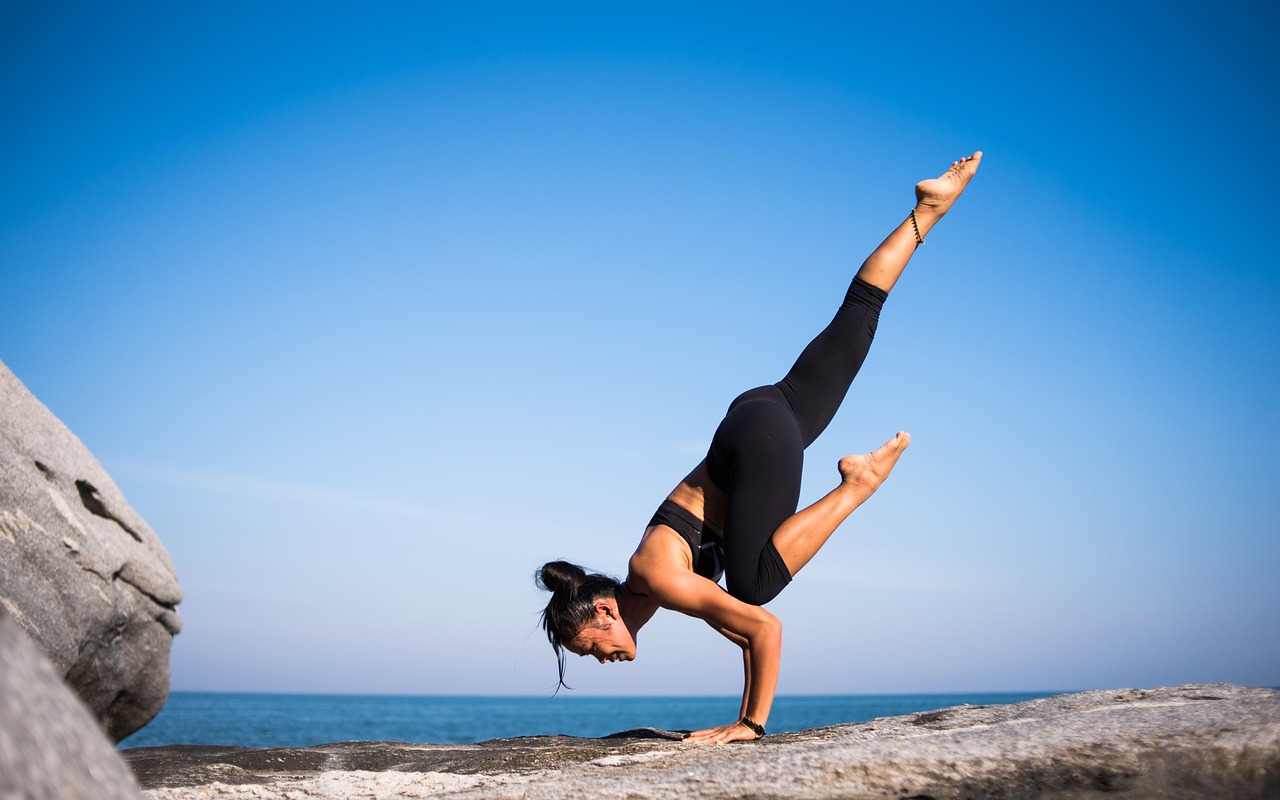
Throughout history, yoga has emerged as a profound practice for enhancing balance and coordination. Improving these physical skills is essential for overall fitness and can significantly enhance daily activities, potentially reducing the risk of injuries. Focusing on specific poses can greatly assist in refining balance, strength, and flexibility. Regular practice aids in strengthening the core muscles, which are crucial for maintaining stability. Individuals can begin their journey toward better equilibrium by incorporating simple yet effective yoga routines that target these key areas. These routines emphasize mindful movements and breath control, which further deepen physical engagement. Gradually increasing the duration and complexity of these routines can lead to advanced levels of balance and coordination. The process undoubtedly requires patience and consistency, but the results are highly rewarding for practitioners. Yoga poses, when performed correctly, can bolster one’s ability to maintain balance in challenging situations, whether during yoga or the activities of daily life. Consequently, creating a personalized daily yoga regimen can lead to substantial long-term benefits that transcend beyond the mat.
Essential Yoga Poses for Enhanced Balance
Incorporating a selection of essential yoga poses into your routine can significantly enhance balance and coordination. These poses not only engage multiple muscle groups but also improve mindfulness and body awareness. Start with the Tree Pose (Vrksasana), which helps strengthen the legs and core while promoting mental focus. From there, incorporate the Warrior III (Virabhadrasana III), which challenges both strength and stability, requiring you to engage your core fully. The Half-Moon Pose (Ardha Chandrasana) is another excellent choice that offers a dynamic stretch while honing your balance skills. As you progress, add poses like the Eagle Pose (Garudasana), known for improving coordination and concentration. Balancing poses activate crucial stabilizer muscles, making these exercises immensely rewarding. Additionally, practicing the Chair Pose (Utkatasana) reinforces leg strength while enhancing equilibrium. Aim to maintain each pose for several breaths, fostering deeper connections with your body. With dedication, these poses build the foundation for stability, which is essential in both yoga and life. Ultimately, consistently practicing these poses can lead to remarkable improvements in overall balance and well-being.
Before engaging in a yoga session, consider a proper warm-up routine that prepares your body for balance-focused practices. Warming up helps prevent injuries while increasing blood flow, flexibility, and mobility. Start with gentle stretches targeting major muscle groups, gradually moving through the body, ensuring to engage different limbs. Perform dynamic movements such as arm circles and gentle twists to stimulate the core and enhance awareness of body positioning. Additionally, integrating elements like cat-cow stretches and downward-facing dog can open up the spine and improve overall alignment. Following the warm-up, transition into more challenging balance poses to maximize effectiveness. Moreover, maintaining a focused breath throughout your practice greatly enhances the balance experience. This mindfulness creates a deeper connection to the present moment and the body’s movements. It’s vital to listen to your body, respecting its limits while allowing gradual progress. After concluding the session, take a few moments to cool down, reflecting on the practice. Implementing these warm-up and cool-down strategies ensures a well-rounded balance yoga routine that ultimately contributes to long-term improvements. Regular practice will lead to a newfound sense of stability and empowerment in daily life.
The Role of Breath in Balancing Exercises
Breathing plays a vital role in enhancing balance during yoga exercises, serving as a bridge between mind and body. Conscious breathing directs energy flow, fostering a state of calm and focus essential for maintaining equilibrium. Learning to synchronize breath with movement stabilizes the body, allowing for smoother and more controlled transitions between poses. As you inhale, visualize strength entering your body, grounding you in your current stance. Conversely, as you exhale, release any tension or instability that may arise. This practice aids in engaging the core, which is fundamental for balance. Practicing pranayama techniques can also greatly benefit your routines, as they encourage deeper inhalation and exhalation patterns. Notably, the practice of Ujjayi breath, or victorious breath, heightens awareness, enhancing your capacity to focus on balance. Additionally, it can help manage stress and anxiety, contributing to better mental clarity and physical performance. Ultimately, the integration of mindful breathing into your yoga practice supports the development of better coordination, ensuring a harmonious balance experience whether on or off the mat.
Consideration of your environment is crucial when practicing yoga for balance improvement. A safe, spacious area free from distractions can significantly enhance the experience, allowing a greater focus on movements and posture alignment. Practicing in front of a mirror can also help develop your self-awareness and provide immediate feedback. This self-assessment is essential for maintaining proper form and balance. Furthermore, utilize props such as yoga blocks, wall support, or straps to assist in achieving poses correctly. Blocks can offer additional support and stability, fostering confidence as you explore challenging balance poses. Ensure your yoga practice area has a non-slip surface, which can prevent accidents and provide a solid foundation. Practicing outdoor yoga can also enhance the experience by connecting with nature and improving one’s sense of grounding. Take note of your surroundings, as they can impact your concentration. Creating a serene atmosphere with soft lighting or soothing music can also help reduce distractions, enabling deeper focus. Thus, an optimal practice environment plays a key role in cultivating improved balance and coordination, allowing for a transformative yoga experience that promotes personal growth.
Tips for Maintaining Consistency in Your Practice
To experience significant benefits from yoga for balance improvement, maintaining consistency in your practice is paramount. Establishing a dedicated time and routine creates a habit that can greatly increase motivation and commitment over time. Begin by setting realistic goals, focusing on the frequency and duration of your sessions. Shorter, more frequent practices often yield better results than longer sessions spread too far apart. Consider creating a calendar to track your progress, which can provide encouragement as you witness your advancements. Additionally, inviting a friend to join in your practice can enhance accountability and make sessions more enjoyable. Explore various online classes or apps that offer guidance and structure, varying your practice to keep it fresh and engaging. This diversity encourages you to try new poses that may strengthen your balance. Reward yourself for sticking to your routine, as positive reinforcement can further motivate you. Importantly, even on busy days, carving out just a few minutes can maintain the connection with your practice. Through these strategies, you can develop a sustainable yoga habit that consistently supports your balance improvement goals.
As you embark on your journey of practicing yoga for balance improvement, it’s essential to remain mindful of your personal limits and capabilities. Every individual is unique, with varying levels of fitness experience and flexibility. Listen to your body, and avoid pushing yourself to achieve poses prematurely. Instead, prioritize the process of progression, celebrating small victories as you develop your balance skills. Each session should feel invigorating rather than overwhelming, promoting a positive relationship with your practice. If you experience discomfort, don’t hesitate to modify poses or take breaks as needed. Remember that yoga is a personal journey, and the ultimate goal is achieving a sense of empowerment rather than perfection. Acknowledge that everyone progresses at their own pace, and comparison is unnecessary. Seek guidance from certified instructors to ensure that you are practicing safely and effectively. Incorporating these mindful approaches will only facilitate your overall balance journey. With time, patience, and self-compassion, the rewards of improved balance and coordination will manifest, enriching your overall well-being and enhancing your yoga practice.
Throughout history, yoga has emerged as a profound practice for enhancing balance and coordination. Improving these physical skills is essential for overall fitness and can significantly enhance daily activities, potentially reducing the risk of injuries. Focusing on specific poses can greatly assist in refining balance, strength, and flexibility. Regular practice aids in strengthening the core muscles, which are crucial for maintaining stability. Individuals can begin their journey toward better equilibrium by incorporating simple yet effective yoga routines that target these key areas. These routines emphasize mindful movements and breath control, which further deepen physical engagement. Gradually increasing the duration and complexity of these routines can lead to advanced levels of balance and coordination. The process undoubtedly requires patience and consistency, but the results are highly rewarding for practitioners. Yoga poses, when performed correctly, can bolster one’s ability to maintain balance in challenging situations, whether during yoga or the activities of daily life. Consequently, creating a personalized daily yoga regimen can lead to substantial long-term benefits that transcend beyond the mat.