
Adapting Workouts Safely if You Have Pre-Existing Conditions
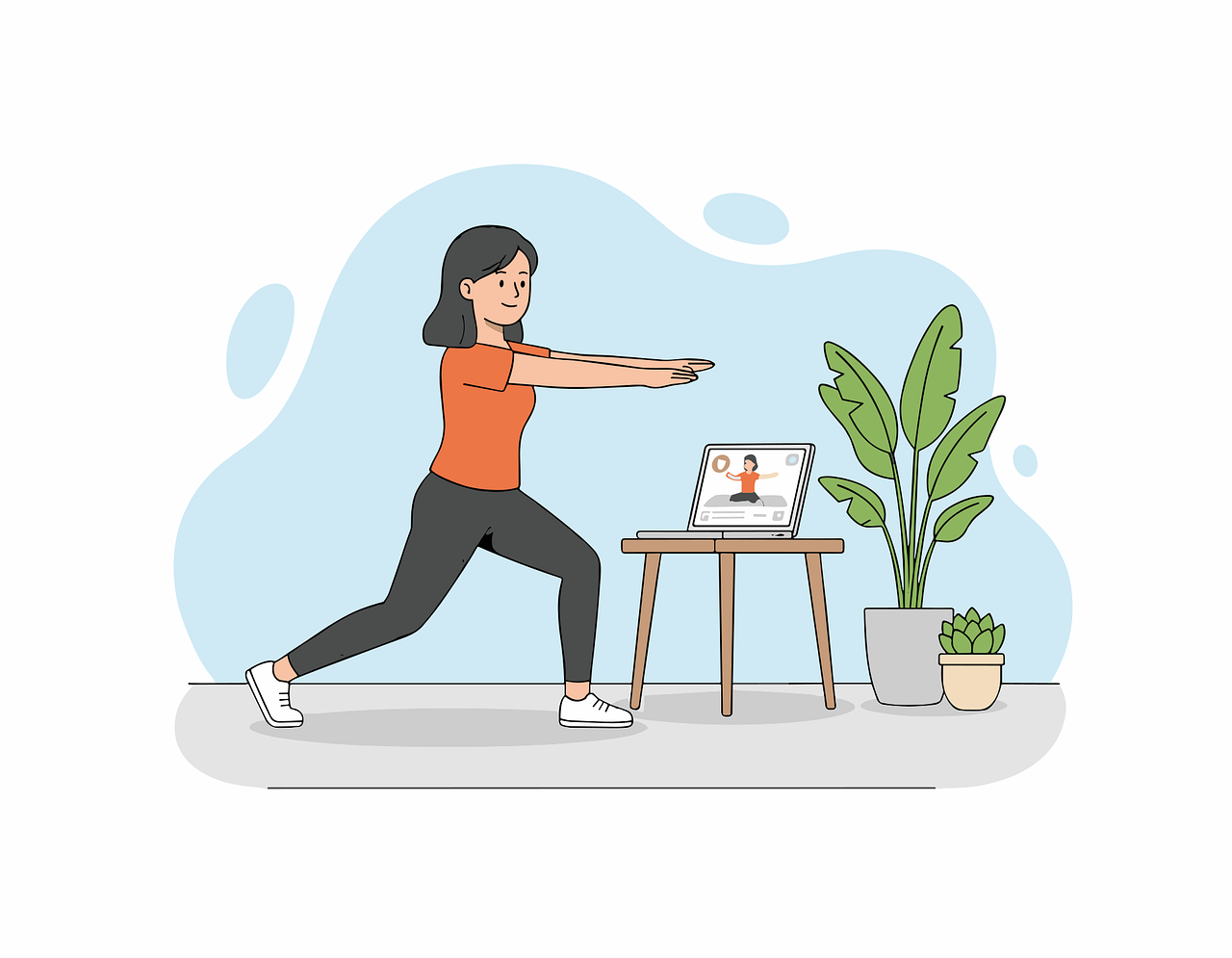
Home workouts offer a convenient way to maintain fitness, especially for those with pre-existing health conditions. However, it’s essential to approach these workouts with caution to ensure safety while maximizing benefits. First, consulting with a healthcare professional is crucial to understand any limitations you should consider. They can provide guidance tailored to your specific condition, helping to identify which exercises are safe or beneficial. Always listen to your body; if an exercise causes pain or discomfort, that may be your body signaling you to stop. Start slowly with low-impact exercises that allow you to build strength and stamina, paying attention to how each movement feels. Remember, consistency is key, so creating a schedule for your workouts can aid in forming a habit. Additionally, consider incorporating flexibility and balance training, which can enhance overall fitness levels while reducing the risk of injury. It’s also wise to have a designated workout space that is free from hazards, paved with a non-slip surface to ensure stability during your movements.
Nutrition plays a vital role in supporting your workout routine, especially if you have health conditions. A well-balanced diet can enhance performance and recovery, empowering you to accomplish your fitness goals. Focus on incorporating nutrient-rich foods like fruits, vegetables, whole grains, and lean proteins into your meals. Hydration is equally important, so aim to drink plenty of water before, during, and after your workouts. This will help optimize your body’s performance and recovery. Proper nutrition can also help manage symptoms associated with your condition, potentially improving how you feel during workouts. Consider consulting a registered dietitian who can develop a tailored meal plan suitable for your situation. They can provide insights on the right macronutrient ratios to improve energy levels and overall health. Furthermore, keeping a food journal can assist in tracking your meals, ensuring you stay within your nutritional goals. Pairing your workout regimen with good nutrition provides a comprehensive approach for achieving optimal health and fitness while considering your unique needs. Don’t forget to enjoy the process; celebrating small victories can keep you motivated and committed.
Choosing the Right Exercises for Your Condition
Selecting appropriate exercises is crucial to ensure safety while working out at home. Activities that are too intense may exacerbate your condition, leading to injuries or setbacks. Begin with low-impact exercises such as walking, cycling, or swimming, which put less stress on the joints while providing a great cardiovascular workout. Strength training using resistance bands or light weights can also be beneficial, helping to build muscle without overstraining. Always prioritize form over intensity; performing exercises correctly minimizes the risk of injury and maximizes effectiveness. If setting up a home gym, invest in versatile equipment that accommodates your needs, such as yoga mats, dumbbells, or stability balls, ensuring they’re safe to use. Tailoring your routine to include flexibility exercises like stretching can enhance mobility and prevent stiffness. Online resources and videos can guide you through proper techniques, enabling you to exercise safely and effectively. Engaging in a variety of activities keeps your workouts fresh and enjoyable, allowing you to maintain enthusiasm. Adapting your fitness routine to suit your condition will aid in achieving sustainable health benefits.
It’s important to develop a routine that includes rest and recovery, particularly if you have pre-existing conditions. Overtraining can lead to fatigue, increased risk of injury, and negatively impact your health. Designing your weekly workout schedule should include rest days that allow your body to recuperate while still promoting fitness. On rest days, consider engaging in light activities such as leisurely walks or gentle stretching to maintain movement, minimizing stiffness and soreness. Incorporating restorative practices like yoga or meditation can aid in reducing stress, leading to improved mental well-being, which is essential for maintaining a balanced fitness regime. Pay attention to how your body feels throughout your workouts; if you experience undue fatigue, it may be an indication that your body requires more recovery time. Prioritize quality sleep to enhance recovery and support your overall workout performance. Establishing a nighttime routine conducive to good sleep hygiene can significantly impact recovery outcomes. Remember, recovering properly is just as important as exercising, and balancing both components effectively will contribute to long-term success in your fitness journey.
Monitoring Your Progress
Tracking your progress is a critical component of any fitness journey, particularly when adapting home workouts for pre-existing conditions. Documenting your workouts can aid you in assessing your improvements, whether they involve increasing the duration, intensity, or variety of your exercises. Consider keeping a fitness journal or using various apps designed for fitness tracking; these can provide insightful feedback about your progress and areas that require attention. Regularly evaluating your performance can also be motivating, emphasizing your achievements as you navigate your fitness path. Don’t shy away from celebrating milestones, no matter how small. Whether it’s improving balance, flexibility, or endurance, recognizing progress keeps you engaged in your fitness routine. Additionally, be mindful of how your body responds to workouts; any recurring discomfort may necessitate revisiting your routine to prevent further issues. You should also set realistic goals tailored to your individual needs and limitations, ensuring they are achievable and contribute to your overall health. Assessing progress consistently and adjusting your approach ensures a tailored fitness strategy, enhancing confidence in your journey toward improved health.
Lastly, consider connecting with others who share similar fitness goals while managing pre-existing conditions. Online forums, social media groups, or local communities can provide invaluable support and encouragement, helping you stay connected during your fitness journey. Sharing experiences, insights, and challenges makes the workout experience more enriching and less isolating. Participating in group workouts, whether virtually or in small safe gatherings, can add an element of fun while also exposing you to different exercises and techniques. Moreover, accountability from peers or trainers can inspire commitment and motivation, keeping you on track with your goals. Don’t hesitate to seek out resources such as fitness coaches or personal trainers with expertise in adaptive exercises for people with medical conditions. These professionals can offer personalized guidance that aligns with your needs, enhancing the effectiveness of your workouts. Remember that everyone progresses at their own pace; be proud of the steps you take. Having supportive peers can make a significant difference in maintaining motivation and encouraging a healthier lifestyle, despite challenges faced.
Conclusion
In conclusion, adapting home workouts for individuals with pre-existing health conditions requires diligence, care, and mindfulness to ensure safety while achieving fitness goals. Prioritize consulting healthcare professionals to tailor your exercise plans, allowing for safe adaptations that suit your unique needs. Combine these workouts with nutritious dietary habits for comprehensive health improvements. Establishing a balanced routine that includes adequate rest and recovery time is vital for minimizing risks and supporting performance. Continually monitor your progress and adapt your regime accordingly; it ensures you remain on track and promotes engagement in the process. Formalizing connections with supportive communities can further enhance accountability and motivation throughout your fitness journey. Remember, adapting workouts isn’t just possible, but it can also be an empowering experience when approached with the right mindset. Fitness is a lifelong journey and should be enjoyable, preparing you for continued success. Embrace the changes that come with your workout adaptations while celebrating every small victory along the way. By doing so, you stand not only to gain strength and resilience but also a positive outlook towards long-term wellness.
Adopting a mindful approach will help you to ensure your workouts align with your body’s needs.