
Weekly Vegan Meal Planning: Tips for Balanced Nutrition
Planning balanced vegan meals is essential for maintaining optimal health and wellness. With the right approach, you can create meals that incorporate various plant-based food groups, providing all the necessary nutrients your body needs. Start by ensuring your meals include a variety of vegetables, whole grains, legumes, nuts, and seeds, which deliver essential vitamins, minerals, and protein. Experimenting with different cooking methods and ingredients helps add diversity to your daily meals. Don’t forget to also include healthy fats from sources like avocados and olive oil. To plan effectively, you can allocate specific days for particular nutrients like protein or iron. This strategy not only balances your meals but also makes grocery shopping more manageable, setting you up for successful week-long dining. Preparing meals in advance can also save you time during busy weekdays. Consider meal prepping on weekends, allowing you to have healthy options readily available. Remember, staying hydrated is crucial, so drink plenty of water throughout the day. Incorporate herbal teas or smoothies for added variety. Building a balanced meal plan can lead to improved energy and overall well-being!
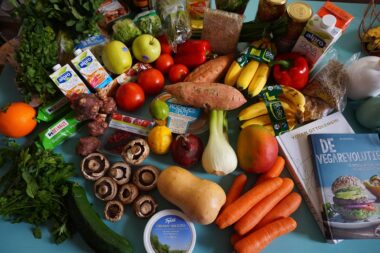
To ensure that your vegan meal plan is comprehensive, begin by taking inventory of your favorite plant-based proteins. Options such as lentils, chickpeas, quinoa, and tofu can serve as staples in your weekly menu. Alternating between these proteins not only boosts variety but also ensures that your body receives the different amino acids it requires. When planning weekly dinners, think about combining these proteins with whole grains like brown rice or barley, and don’t forget to load up on colorful vegetables for the accompanying side dishes. A simple stir-fry or a hearty grain bowl works well to combine all elements in a single dish. Engage your family in the planning process, promoting conversations about their preferences and interests. This can enhance collaboration and creativity in your meal planning. Additionally, consider using seasonal fruits and vegetables to create meals aligned with what’s fresh and flavorful. Make your grocery shopping list according to your planned meals to avoid unnecessary purchases. Developing a habit of planning meals can guide you towards culinary routine changes that lead to nutritious eating while maintaining enjoyment.
Tips for Creating Balanced Meals
Creating balanced vegan meals requires awareness of various nutrient requirements, especially when eliminating animal products. One effective way to ensure nutritional adequacy is by incorporating foods rich in vitamins and minerals. For instance, green leafy vegetables provide essential calcium, while fortified plant milks are excellent sources of vitamin D. Whole grains deliver vital B vitamins, and legumes or soy products can provide sufficient iron and protein. Incorporating a variety of colors in your meals will also enhance nutrient diversity. Each color represents specific nutrients and antioxidants that can contribute to overall health. By leveraging this strategy, you not only create visually appealing plates but also improve your nutritional intake. Furthermore, utilize resources such as recipe books or online platforms to discover meal ideas that inspire you. Virtual communities focused on vegan lifestyles can offer insights, tips, and motivation for sticking to your meal planning goals. Don’t hesitate to keep a journal of your meals, as it may help you track what works or doesn’t, refining your approach over time. Properly planning and balancing your plates can lead to a fulfilling vegan experience.
As you begin planning your weekly meals, consider integrating a weekly theme that brings fun and creativity to the kitchen. Dedicate one day to global cuisine, showcasing flavors from different cultures around the world. For instance, you might prepare Mediterranean chickpea salad one day and an Asian-inspired tofu stir-fry on another. This not only exposes you to various spices and traditions but also assists in expanding your culinary repertoire. Another consideration is portion control, which can be beneficial for preventing waste. Accurately measuring ingredients can help ensure that you have enough food for the week without over-preparing. Moreover, try repurposing ingredients for multiple meals, such as using roasted vegetables in salads and wraps. This can save time and energy throughout the week. Also, don’t forget to assess sustainability; selecting local and seasonal produce can help reduce your carbon footprint. Lastly, educate yourself on budget-friendly shopping while adhering to your vegan dietary preferences. Awareness around sales and seasonal buys will help you stretch your food budget while still enjoying varied meals.
Making Adjustments to Your Plan
Adapting your vegan meal plan allows for flexibility and experimentation, catering to changing tastes and nutritional needs over time. Consider conducting occasional reviews of what meals worked and which ones didn’t. This effort helps you continually refine your planning process. Be open to introducing new ingredients and recipes to avoid monotony. Exploring trends such as raw vegan, whole-food plant-based, and international cuisines adds freshness and excitement to your meals. When implementing changes, consider environmental factors such as season and availability, which may influence your course content. Additionally, seasonal produce often tastes better and is less expensive than out-of-season options. Listen to your body’s cues regarding hunger and fullness; don’t hesitate to adjust serving sizes depending on your energy levels or physical activities. Incorporating snacks, such as nuts or energy bars, can also provide a convenient nutritional boost between meals. Engaging in regular exercise allows you to better correlate dietary needs based on your activity level. Keep an open mind, approach each meal with curiosity, and remember that new dishes can lead to delightful culinary adventures!
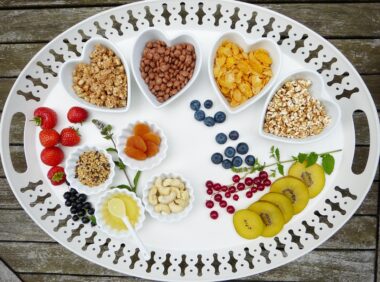
In building your vegan meal plan, consider the importance of incorporating visual appeal into your plates. Attractive presentations can enhance your eating experience and encourage healthier choices. Use colorful vegetables and arrange them artistically on the plate, emphasizing their natural beauty. Garnishing with fresh herbs, seeds, or even edible flowers can elevate the visual impact of your meals, making them more inviting. An aesthetically pleasing plate can also help develop positive eating habits, encouraging mindful consumption. Prioritize meals that are easy to prepare and can be completed within a reasonable timeframe to maintain momentum throughout the week. Batch cooking can save time and energy, enabling you to enjoy healthy dishes even on the busiest days. Consider creating a weekly schedule and assigning specific recipes to each day to streamline this process. Additionally, sharing meals with friends or family can transform dining into a pleasant social experience. By making your meal planning enjoyable and interactive, you’ll likely find yourself more motivated to stick to your balanced vegan nutrition plan.
Wrap Up Your Vegan Meal Planning
Wrapping up your meal planning journey is equally important as the planning process itself. After a week full of meals, take time to evaluate the experience. Consider creating a list of meals that received enthusiasm and repeat these themes in your future meal plans. This assessment will help identify reliable recipes and combinations that are not only satisfying but also pleasing to the palate. Don’t hesitate to modify flavors or try alternative methods when you revisit those popular meals for a refreshing twist. Acknowledge the importance of being patient and realistic during meal transitions; these practices are sustainable pathways to developing healthy habits. Celebrate the little victories, whether it’s trying a new vegetable or successfully preparing a complex dish. Documenting your successes, failures, and preferences will allow you to strengthen your vegan meal planning journey over time. Utilize these experiences as learning opportunities to cultivate meal plans that are both nourishing and enjoyable. Lastly, remember that this journey is about finding balance and food that promotes your best health.
Embarking on a vegan meal planning adventure doesn’t mean you have to face it alone. Engage with online communities dedicated to plant-based living and cooking. They offer a wealth of knowledge, support, and encouragement for your journey. Additionally, learn from others’ experiences by attending workshops, classes, or local events featuring vegan cuisine. These opportunities not only enhance your cooking skills but also connect you with like-minded individuals who share your interests. Consider creating a meal swap with friends; this encourages trying new foods while fostering a sense of community. Share your successes on social media to inspire others and hold yourself accountable to your meal planning commitments. Staying up-to-date with trends in veganism through blogs and podcasts can also provide fresh ideas, tips, and support. Be adaptable, patient, and open to learning as you navigate your vegan meal planning journey. Explore new flavors and preparations, and let your curiosity guide your culinary discoveries. By planning meals wisely, you create sustainable habits leading to improved overall health. Have fun exploring the vibrant variety of plant-based ingredients available to enhance your meals!