
The Importance of Warm-up in HIIT Workouts
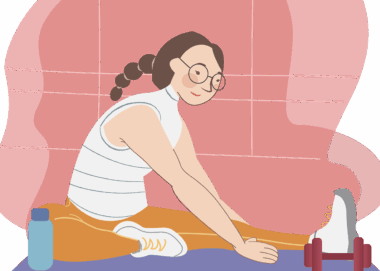
Warm-up routines are crucial for any fitness regimen, particularly when it comes to High-Intensity Interval Training (HIIT). Engaging in a comprehensive warm-up session prepares the body for the intense physical exertion that follows. Without proper preparation, the risk of injury escalates significantly because muscles are not adequately primed for the shock of sudden, high-impact movements. During a warm-up, the heart rate gradually elevates, leading to increased blood flow to muscles, enhancing their flexibility, and reducing tension. Ideally, a warm-up should last for about 10 to 15 minutes, incorporating dynamic movements like high knees, leg swings, and light jogging. These exercises not only activate the muscles but also help in loosening stiff joints. Furthermore, a thorough warm-up can psychologically prepare athletes for the tough workout ahead, instilling a competitive edge. By taking the time to warm up properly, one ensures that they maximize the benefits of the HIIT session. Overall, a great warm-up routine fosters better performance and paves the way for achieving fitness goals more effectively.
While the warm-up is essential, the cool-down phase is equally significant in any HIIT workout. After an intense session, your body requires a period of adjustment as the heart rate slowly returns to normal. The cool-down helps in alleviating stiffness and promotes recovery by gradually decreasing the heart rate. Engaging in static stretching during this phase is highly effective. Stretching enhances flexibility and reduces the risk of soreness post-workout. Additionally, it can assist in detoxifying muscles by encouraging the clearance of lactic acid, which builds up during extreme exertion. Experts recommend performing stretches that target major muscle groups used during the workout, such as quads, hamstrings, shoulders, and back. Taking about 5 to 10 minutes for a cool-down can greatly enhance overall recovery. Ignoring this critical phase can lead to tightness and discomfort in the body. Therefore, integrating a cool-down into every workout maximizes training benefits while also ensuring long-term health. Both warm-up and cool-down routines work synergistically to facilitate better performance, safety, and recovery.
Utilizing Dynamic Warm-up Exercises
Dynamic warm-up exercises are especially beneficial before diving into a HIIT workout. Unlike traditional static stretching, dynamic movements engage the body in its full range of motion, preparing it for the rigors of a high-intensity workout. Movements such as leg swings and arm circles mimic the actions performed in HIIT routines, activating the necessary muscle groups and enhancing overall movement efficiency. This preparation reduces the risk of injury and optimizes performance. A study published in sports medicine indicates that athletes who incorporate dynamic stretches experience improved flexibility and muscle readiness. Such warm-ups can also increase body temperature, further enhancing blood flow to key muscle areas. To ensure you fully benefit, design your warm-up to mirror the intensity of your workout. Incorporate short bursts of activity that gradually increase in intensity. For example, you might start with a brisk walk, escalating to high knees and lateral shuffles. Remember that this prepares your nervous system for explosive movements, which are crucial in HIIT. Focusing on these aspects guarantees a safer, more productive workout experience.
Proper recovery methods must accompany the warm-up to ensure your body remains in optimal condition. This recovery involves various strategies, including hydration, nutrition, and appropriate rest periods. After HIIT, your body loses fluids through sweat, so replenishing lost electrolytes is vital for post-workout recovery. Consuming a balanced meal with protein and carbohydrates helps restore muscle glycogen levels while also supporting recovery after intense training. Additionally, consider incorporating foam rolling or massage techniques to alleviate tightness and enhance blood flow to the muscles, thus accelerating recovery times. Sleep is another critical aspect of recovery. Adequate rest allows your muscles to repair and grow stronger, preparing you for the next workout session. Implementing these strategies consistently will not only maximize the effectiveness of your HIIT workouts but will also ensure long-lasting health benefits. Listening to your body is crucial; if you feel excessive soreness or fatigue, take it easy and allow for additional recovery time. Through a comprehensive approach that incorporates warm-up and recovery, you will perform better and reduce injury risk.
Seeking Expert Guidance for Tailored Routines
Personalized warm-up and cool-down routines can effectively cater to individual fitness levels and goals. If you struggle with creating your workout regimen, seeking expert guidance can be advantageous. Trainers can provide insight into effective warm-up exercises tailored to your specific needs. They can help design a program that not only targets the right muscle groups but also aligns appropriately with the intensity level of your HIIT workouts. In addition, certified trainers can introduce you to proper techniques for stretching and cooling down, ensuring that your routine maximizes efficiency. More often than not, tailored routines yield quicker results and enhance motivation. Having guidance instills confidence, leading to better performance during HIIT sessions. Regularly updating your regimen as fitness levels increase is another area where an expert can assist. This adaptability keeps workouts challenging and engaging, preventing plateaus in progress. Moreover, trainers are well-versed in injury prevention methods, helping you stay on track toward your fitness objectives. So, investing in professional guidance can significantly enhance your HIIT regimen, promoting an effective and safe fitness journey.
Incorporating variety into your warm-up routines can also enhance motivation and engagement. Rather than performing the same exercises each session, consider mixing up your warm-up with different dynamic movements to prevent monotony. Add elements of dance, martial arts-inspired moves like kicks, or even agility drills to keep things fresh and exciting. For example, integrating lateral hops or shuttle runs as part of your warm-up routine can improve coordination while also getting your heart rate up. These variations not only prepare your body for an intense session but also increase your enjoyment of the workout experience. Engaging in high-energy warm-ups enhances enthusiasm, leading to an always-present motivation to continue exercising. Incorporating music that pumps you up during your routine can further transform the energy of your session. Surrounding yourself with positivity is vital for maintaining a consistent workout schedule. Diversifying your warm-up methods promotes an overall sense of enjoyment while improving results. This enjoyable aspect of fitness activity is critical, as it keeps you committed and consistent in achieving your desired outcomes.
Final Thoughts on Warm-up and Cool-down in HIIT
Overall, mastering both warm-up and cool-down routines forms a fundamental aspect of executing an effective HIIT workout plan. Prioritizing these phases empowers individuals to maximize their workout outcomes while reducing the likelihood of injury. By nurturing both physical readiness and recovery, participants can significantly enhance their training experience. As fitness goals evolve, remembering the importance of these routines becomes essential, offering significant long-term benefits. From improving flexibility to boosting performance and overall well-being, these preparations are invaluable. Furthermore, understanding and implementing these routines build a more connected relationship with the body, ensuring safer workouts. Emphasizing warm-ups and cool-downs should always be a primary concern for anyone aiming for high-intensity training. In doing so, physical workouts become less about struggle, focusing rather on enjoyment and accomplishment. Therefore, do not skip these pivotal phases; ensure they become a permanent part of your fitness regimen. By embracing comprehensive warm-up and cool-down routines within your HIIT workouts, you create a supportive framework for achieving outstanding results while enjoying the process.
Ultimately, your comfort and safety should always take precedence when engaging in HIIT workouts. Regarding warm-up and cool-down, remember to listen to your body’s signals. Consulting with fitness professionals provides essential knowledge about how to properly execute these routines, further enhancing your security and performance. Noise pollution and distractions within a gym or fitness environment are common obstacles; thus, finding a conducive space for your warm-up helps mitigate those distractions. Create an environment where you feel focused and ready to perform your best. Use such moments to mentally prepare for the challenges you will face during high-intensity intervals. This preparation is essential for gaining the most out of your workouts. Reflect on the movements you will execute while warming up, facilitating mental readiness for both body and mind. The synergy between mental and physical preparation can serve as a strong catalyst for success, especially in demanding training sessions. By ensuring quality interaction with your routines, you cultivate an enjoyable and productive path towards achieving personal fitness goals. A comprehensive understanding of these techniques allows for deeper engagement with your fitness journey.