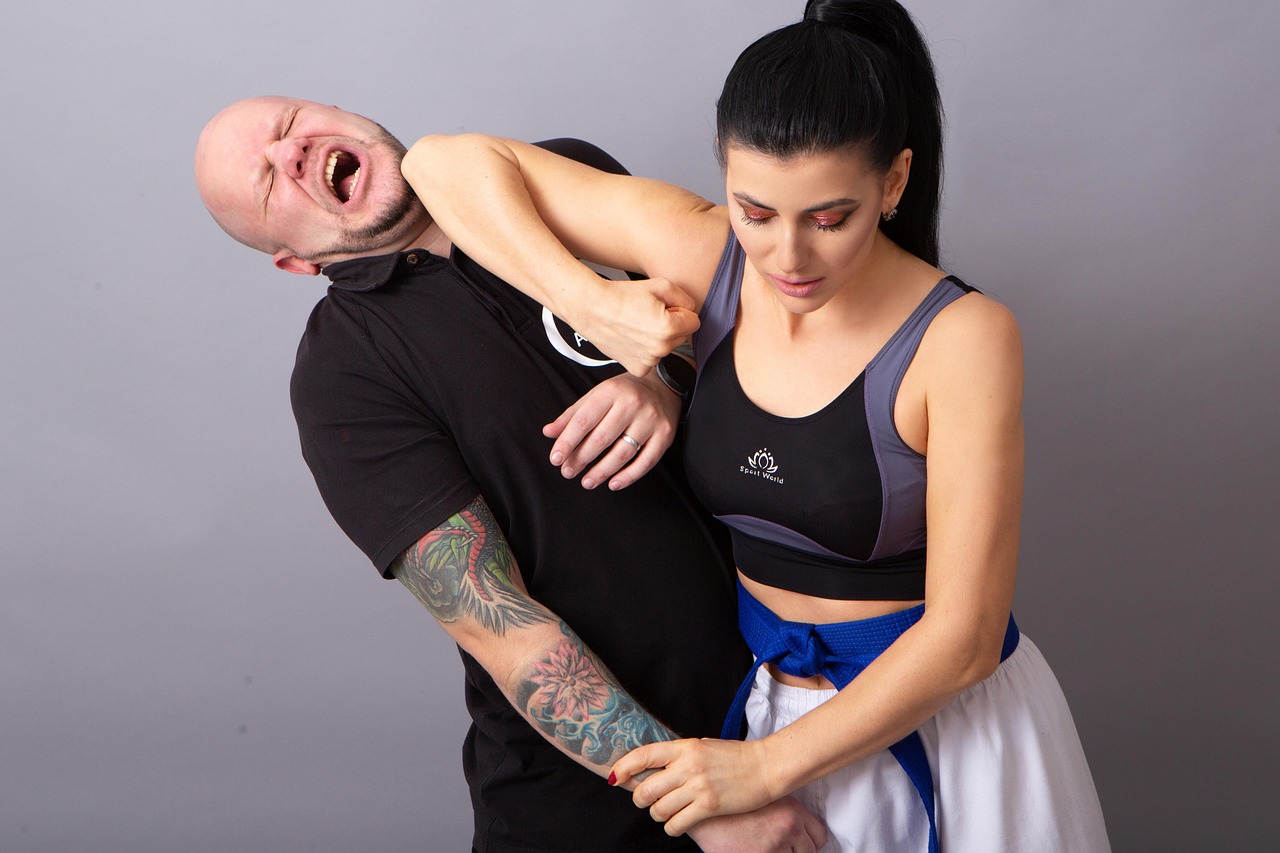

Self-Defense Skills Every Man Should Learn in Martial Arts
Self-defense is an essential skill every man should learn, particularly through martial arts. This skill not only ensures personal safety but also fosters confidence and discipline. When considering martial arts for self-defense, it’s crucial to choose the right discipline that aligns with your goals. Many forms of martial arts, like Brazilian Jiu-Jitsu, Muay Thai, and Krav Maga, effectively teach self-defense techniques. Each discipline typically emphasizes different techniques ranging from striking to grappling, providing a well-rounded approach to combat. Regular practice under the guidance of a qualified instructor is essential for mastering techniques. This commitment will not only improve your physical abilities but also enhance your mental resilience. As you progress, you’ll find your reactions become instinctive, which can be vital in real-life situations. Moreover, engaging in martial arts fosters a tight-knit community, offering support and camaraderie. Joining classes can lead to friendships and provide a safe space for training. Ultimately, the idea of learning self-defense through martial arts can empower both physically and mentally, preparing men for unexpected challenges while promoting a healthier lifestyle.
Key Techniques in Martial Arts
In your martial arts journey, several key techniques can significantly enhance your self-defense capabilities. These core skills form the foundation of effective self-defense practices. Firstly, striking techniques, including punches, kicks, and elbows, are crucial. Learning proper form and power generation can help deliver effective strikes. Practicing combinations of strikes can increase your efficacy when faced with an aggressor. Secondly, grappling techniques, such as joint locks and throws, can neutralize threats at close range. Mastering these can show how to control and subdue an opponent effectively. Next, awareness and de-escalation methods are vital as well. Learning to assess situations can help avoid confrontation. Techniques like using your voice or body language can often diffuse potentially volatile encounters. Additionally, practicing tactical movement can help maintain distance and navigate the space around you effectively. Drills that simulate real-life scenarios will develop your instincts and reflexes. Lastly, enhancing your physical fitness through regular training helps build strength, flexibility, and endurance vital for executing techniques successfully. These skills collectively enhance your readiness to respond to threats.
A common misconception about martial arts is that it is solely about fighting techniques. In reality, martial arts offer much more, including mental and emotional benefits. They promote discipline, focus, and respect—attributes beneficial outside the dojo. Practitioners often find that regular training can significantly reduce stress and increase overall well-being. Moreover, martial arts can help cultivate a strong mindset, enabling individuals to face challenges head-on. As you advance in your training, you will learn the importance of patience and perseverance. These qualities naturally spill over into everyday life, improving personal relationships and professional interactions. The journey in martial arts teaches one to embrace failure and learn from it, fostering mental resilience. Engaging in sparring sessions not only provides realistic experience but also allows practitioners to build confidence in their abilities. As you become more skilled, this confidence can extend beyond martial arts, facilitating personal growth. In conclusion, martial arts are not just about self-defense; they encompass life lessons that build character and improve overall self-esteem.
Physical Conditioning for Martial Arts
Physical conditioning plays a critical role in martial arts training, directly influencing performance and success in self-defense situations. Effective physical conditioning enhances strength, agility, endurance, and flexibility, all of which are essential for martial artists. Regular cardiovascular exercises, such as running or cycling, can improve stamina, allowing practitioners to last longer during sparring or real-life altercations. Strength training is equally important; it helps build muscle mass that can enhance striking power and grappling control. Incorporating resistance training using weights or bodyweight exercises will contribute to this aspect of conditioning significantly. Flexibility training through stretching or yoga can improve overall performance, enhancing mobility, which is essential in martial arts. Practitioners often find that a flexible body enables them to perform techniques correctly. In addition to these aspects, practicing martial arts themselves serves as an excellent conditioning tool. Committing to regular classes and sparring sessions ultimately enhances your coordination and balance. Moreover, a well-rounded physical conditioning program supports injury prevention, ensuring that you remain fit and capable throughout your training journey. Overall, conditioning sets the foundation for effective martial arts execution.
Mindset and strategy are equally crucial in martial arts training. Developing the right mindset can make a significant difference in how effectively one can apply learned techniques. Outcomes in sparring sessions and self-defense situations are influenced significantly by mental preparation. Practicing visualization techniques can help prepare for real-world situations. Additionally, it develops an intuitive response to threats. Setting clear goals for your martial arts journey can enhance motivation. This goal-oriented approach gives practitioners a sense of direction, essential for successful training. In competitive scenarios, understanding your opponent’s strategy is vital. It requires you to be observant and adaptable during combat. Furthermore, learning how to manage stress and control adrenaline during confrontations can greatly impact your response to danger. The ability to stay calm and think clearly under pressure allows for quick decision-making. Mindfulness practices such as meditation or controlled breathing techniques can develop this focus. Regularly reflecting on experiences in training helps improve strategy and technique application. Regular practice with a partner or instructor is invaluable for honing tactical responses. Ultimately, cultivating a strategic mindset is critical for success in self-defense and martial arts.
Benefits of Joining Martial Arts Classes
Participating in martial arts classes offers numerous benefits beyond just learning self-defense skills. One of the primary advantages is the extensive social interaction with like-minded individuals who share similar fitness goals. Being part of a community motivates participants to stay committed to their training. Many find friendships that blossom in this supportive environment, creating a sense of belonging and camaraderie. Additionally, martial arts classes can significantly enhance physical fitness levels. The rigorous training improves cardiovascular health, strength, flexibility, and overall body composition. Furthermore, classes often incorporate various drills and exercises that keep workouts engaging and diverse. Many martial arts schools also promote competitions, providing an excellent avenue for personal growth and assessment of skills. Competing offers a chance to test your abilities against an opponent, increasing confidence and encouraging continuous improvement. Moreover, martial arts classes also teach valuable life skills, including discipline, respect, and perseverance, which can be applied across various aspects of life. Learning self-defense skills in classes ultimately cultivates self-assuredness, promoting a healthier mindset and lifestyle while preparing individuals for various life challenges as potential defenders.
In conclusion, learning self-defense through martial arts offers invaluable skills and personal development opportunities. Martial arts teach effective techniques that empower men to protect themselves in dangerous situations. By incorporating striking, grappling, and awareness methods, practitioners develop a well-rounded skill set. Both physical and mental conditioning enhance performance and readiness for real-life scenarios. Additionally, the spirit of community found in martial arts classes fosters friendships and camaraderie, enhancing the overall training experience. Mental strategies developed during training serve to bolster one’s confidence, resilience, and adaptiveness. As practitioners engage with opponents, they learn the importance of strategy, patience, and composure under stress. The personal growth experienced through martial arts benefits overall health and wellness, promoting a positive lifestyle. Furthermore, embracing the journey of martial arts fosters emotional and mental fortitude. It instills valuable life lessons, including respect for oneself and others. As men learn to navigate challenges in self-defense, they become not only proficient fighters but also well-rounded individuals. Therefore, pursuing martial arts training is a commendable journey filled with growth, empowerment, and the essential skills needed for self-defense.
Getting Started with Martial Arts
If you are interested in embarking on this martial arts journey, you first have to decide which style aligns best with your self-defense goals. Various martial arts styles, like Muay Thai, Brazilian Jiu-Jitsu, and Krav Maga, can offer different perspectives on self-defense. It is beneficial to participate in introductory classes or workshops to explore various styles and determine their fit for you. Observing classes can also give insight into the environment and culture of the academy or dojo. Once you have chosen a discipline, locate reputable schools in your area that have experienced instructors. Engage in conversations with instructors to understand their philosophies and training methodologies. Evaluating the school’s reputation through reviews or word-of-mouth can also inform your decision. Once enrolled, commit to practicing consistently to experience the maximum benefits of martial arts. Remember that progress often takes time, requiring patience and dedication. Joining a beginner-friendly class can ease you into training and foster connections with fellow learners. Equip yourself with appropriate gear and be ready to embrace a challenging yet rewarding self-defense journey.