
How Cool-Downs Enhance Recovery in Youth Sports
Cool-down techniques in youth athletics serve several important purposes that enhance recovery after vigorous physical activity. First and foremost, they help to gradually decrease heart rates, allowing the body to transition from a high-energy state back to a resting state. This gradual reduction helps prevent dizziness that often follows intense exercise. Additionally, cool-down exercises promote better blood circulation, which aids in the removal of metabolic waste products such as lactic acid from the muscles. This aids in reducing muscle soreness and stiffness, helping young athletes recover faster. Implementing effective cool-down routines can also be a wonderful opportunity to instill healthy habits in youth athletes. As they learn the importance of recovery, they develop awareness of their body and its needs. Young athletes should focus on stretching major muscle groups that were used during their activity. This would not only help maintain flexibility but can also play a significant role in preventing injuries in the future. Effective cool-down techniques should ideally last at least ten minutes for maximum benefit, involving both low-intensity exercises and static stretching.
The Role of Stretching in Recovery
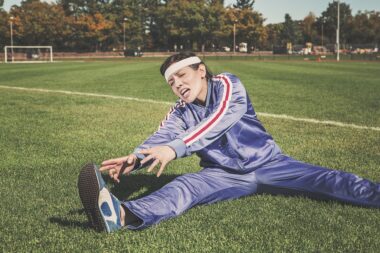
Among the most important components of cool-down sessions is stretching, which contributes significantly to flexibility and muscle recovery. Static stretching is particularly effective as it involves holding stretches for periods to elongate the muscles, increasing muscle elasticity. Focusing on major muscle groups such as hamstrings, quadriceps, and calves can enhance overall performance during subsequent training or competition. Engaging in proper stretching techniques can improve range of motion, allowing for optimally functioning muscles. Furthermore, young athletes should incorporate dynamic stretches during their warm-up and static stretches during cool-down. This approach ensures they gain maximum flexibility over time. A structured stretching routine can also help to mentally prepare youth athletes for the challenge of maintaining their physical fitness. It sends a signal to their body that the session has ended, helping in the mental transition from competition to relaxation. Moreover, encouraging young athletes to engage in group stretching promotes camaraderie among team members. This shared experience can foster a strong sense of community, essential for a positive sports culture. Coaches should actively guide stretch routines to ensure proper technique and prevent injury.
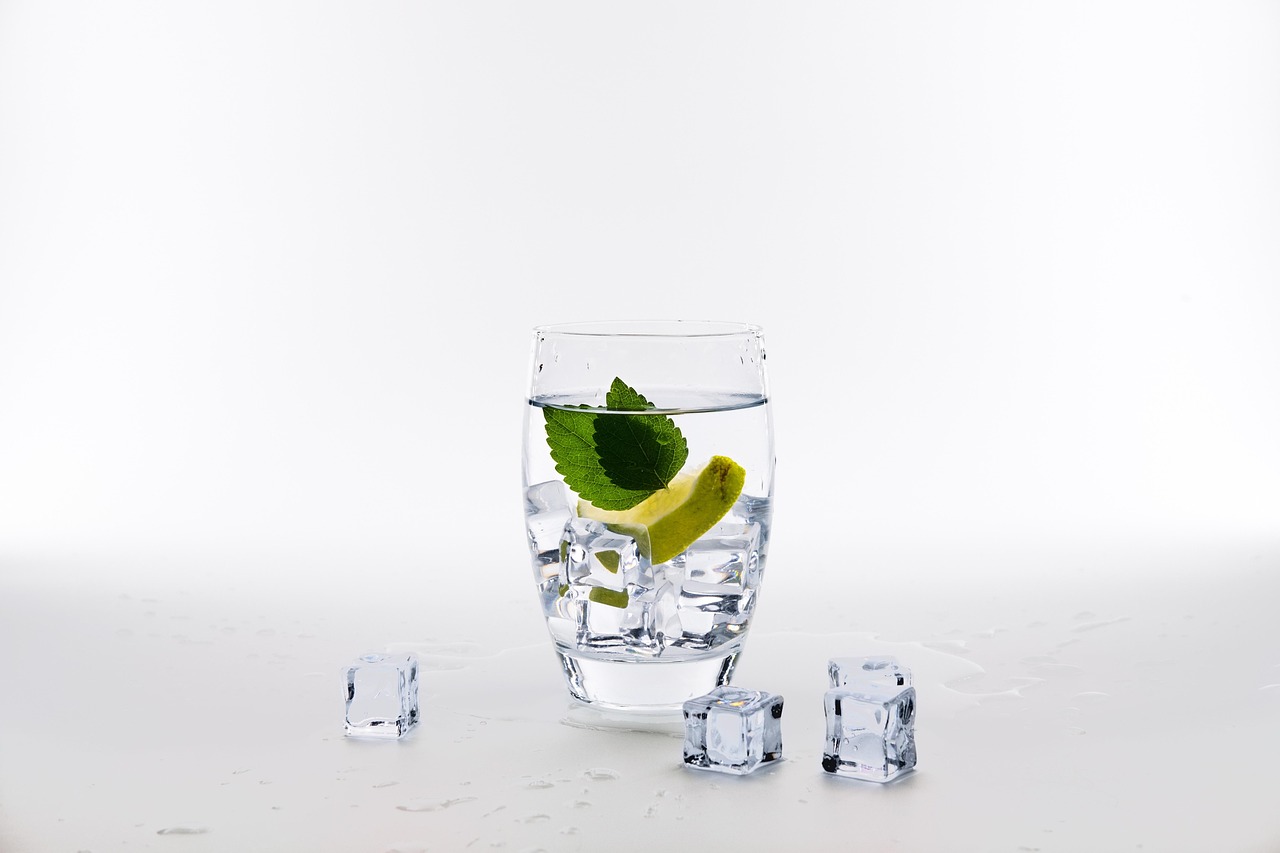
Another essential aspect of cool-down techniques is hydration, which is vital for recovery. After intense activities, athletes often lose fluids through sweat, leading to dehydration. Ensuring that youth athletes rehydrate during and after their training sets a solid foundation for optimal recovery. Hydration aids muscle recovery by replenishing lost fluids and electrolytes, thus preventing cramping and fatigue. Coaches should emphasize the significance of hydration before, during, and after training sessions. They can promote the use of electrolyte beverages, especially in hotter temperatures, to help maintain performance levels. By educating athletes on the importance of staying hydrated, they learn to listen to their body’s thirst signals. Practical tips, such as carrying water bottles and setting reminders to hydrate, can go a long way. Furthermore, paired with dynamic recovery techniques like foam rolling, hydration provides a comprehensive approach towards post-activity recovery. Youth athletes should be made aware of the link between proper hydration and overall physical performance. Developing an understanding at a young age fosters healthier habits that will last a lifetime. It promotes awareness and self-regulation in managing one’s hydration needs effectively.
The Benefits of Active Recovery
Active recovery techniques should also be an essential element of cool-down routines within youth sports. Engaging in light aerobic exercises such as walking or jogging immediately after intense activity helps promote circulation. This aids in reducing soreness by increasing oxygen flow to the muscles, while also facilitating the removal of metabolic waste products. Implementing low-intensity activity allows young athletes to maintain their energy levels without overexertion. It’s crucial to relay to young athletes that recovery doesn’t mean complete rest but involves gentle movement that helps in muscle rejuvenation. Moreover, adding fun elements, like games or relays, can convert the cooling process into an enjoyable experience. Active recovery can also help teams bond as they wind down after intense competition. Working together in a relaxed environment encourages teamwork in more than just competitive contexts. Coaches can harness the opportunity to offer positive feedback on performance while discussing goals for future growth. Encouraging youth athletes to embrace active recovery can lead to lifetime habits and a balanced approach to sport. Integrating these techniques ensures their body recuperates effectively while also maintaining enthusiasm for the sport.
In addition to physical benefits, a well-structured cool-down routine can enhance the mental aspects of youth athleticism. Youth sports can be extremely demanding and may result in high levels of stress and anxiety for young athletes. Properly executed cool-down techniques provide time for reflection and a mental shift from competition to relaxation. This mental transition is crucial, especially after intense performances that may be emotionally charged. Engaging young athletes in discussions about their performance, including what went well and areas for improvement, helps them develop a growth mindset. Fostering a space to communicate feelings enables emotional maturity within young athletes. Furthermore, mindfulness practices such as breathing exercises can be incorporated into cool-down routines to help address stress levels. These techniques contribute positively to mental health and overall well-being, ensuring that athletes view their experience as enriching rather than just competitive. By intertwining mental relaxation with physical recovery, young athletes learn to appreciate their achievements and setbacks equally. In turn, this boosts self-esteem, encourages resilience, and builds a strong foundation for future endeavors in sports and beyond.
Long-Term Advantages of Good Recovery Techniques
Long-term advantages of implementing effective cool-down techniques in youth athletics cannot be overstated. By fostering a culture where recovery is prioritized, coaches and parents play fundamental roles in shaping young athletes’ attitudes toward sports. Instilling the understanding that recovery is vital for optimal performance encourages lifelong habits around exercise and fitness. Athletes who learn to respect their body’s need for recovery are less likely to sustain injuries. As they progress into adulthood, these habits empower them to maintain healthy lifestyles and prioritize their overall well-being. Furthermore, integrating cool-down techniques into routine practice helps them develop discipline, promoting commitment to physical fitness. The knowledge gained about their body’s responses during the recovery process translates well into other life areas. Young athletes become more adept at balancing different life demands outside of sports, including academics and social interactions. This comprehensive development nurtures well-rounded individuals who thrive both on and off the field. Creating awareness of the importance of recovery, coaches and parents set young athletes up for success, generating positive impacts on their sport and lifestyle choices, which leads to continued passion for athletics.
In conclusion, the importance of cool-down techniques in youth athletics significantly impacts young athletes’ overall health, performance, and well-being. There is a clear relationship between effective recovery practices and athletes’ physical and mental states. Programs fostering healthy cool-down routines eliminate challenges faced by young athletes, such as stress and potential injuries. Educating them about hydration, stretching, and active recovery not only enhances their performance but also equips them with knowledge to manage their physicality responsibly. When proper techniques are embraced, athletes can expect to see improved muscle recovery, enhanced flexibility, and reduced soreness. Beyond physical enhancements, cool-down routines address the mental strain often associated with competition, paving the way for a more positive athletic experience. As a community, we must encourage youth athletes to view recovery as an integral part of their training regimen, promoting long-term health benefits. By valuing recovery through cool-down routines, we help shape athletes who are not only physically competent but also mentally resilient. The investment in these practices set the foundation for a healthier, more engaged generation of young athletes ready to tackle athletics and life.