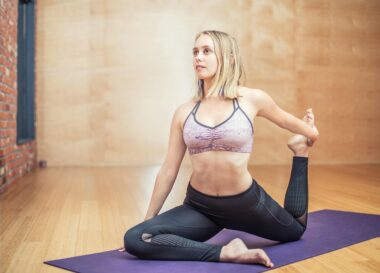

Future Trends in Mindfulness for Fitness Professionals
As the fitness industry evolves, mindfulness is becoming an integral component of workout routines and fitness coaching. The future trends signify a shift towards holistic health, intertwining physical exercise with mental well-being. With an increase in stress levels globally, exercise alone is no longer sufficient; individuals are seeking deeper experiences. Mindfulness workshops address this emerging need, offering fitness professionals tools to enhance client engagement and retention. These workshops teach not just the art of mindfulness, but also its practical applications in workouts. Professionals learn to incorporate breathing techniques and mindful movements that enhance performance. Adapting exercises to include these techniques can lead to improved results and satisfaction. Also, creating a community focused on mindfulness fosters a supportive environment where clients feel connected. Implementing these practices can also reduce burnout among instructors, promoting longevity in their careers. Emphasizing mindfulness is not merely a trend but reflects a deeper societal shift. By embracing these changes, fitness professionals position themselves at the forefront of this pivotal movement, ensuring they meet the growing demand for holistic fitness solutions. Thus, attending these workshops is essential for future-ready fitness professionals.
The benefits of mindfulness in fitness extend beyond personal health; they also enhance business performance. Many fitness professionals report increased client retention rates when introducing mindfulness methods in their programs. Clients become more engaged and satisfied with their fitness journey, leading to longer memberships and recommendations. Mindful fitness creates a unique experience that stands out in a crowded market. Additionally, it can attract a broader clientele who prioritize mental health, enabling instructors to diversify their offerings. For fitness businesses, the integration of mindfulness practices can result in a thriving community, boosting overall morale. Increased employee satisfaction stems from fewer burnout incidents, translating to higher productivity levels. Mindfulness workshops often provide insights into personal development that can elevate coaching techniques, leading to better client experiences. Furthermore, as mental health awareness rises, fitness professionals who strategically implement mindfulness will likely observe heightened credibility and positioning as leading experts. The emerging trend indicates that consumers are prioritizing holistic approaches over traditional fitness regimes. Fitness professionals must stay informed about these trends to adapt effectively to market demands. This trend is not just beneficial for individuals but supports a flourishing fitness industry.
Incorporating Mindfulness Techniques in Workouts
Incorporating mindfulness techniques during workouts has a profound impact on both clients and fitness professionals. Techniques such as breath alignment, body scanning, and centered awareness create an immersive experience, allowing clients to connect with their bodies. Firstly, breath alignment ensures that practitioners remain focused, controlling their breathing as they transition between movements. This focus enhances performance and reduces the risk of injury. Secondly, body scanning encourages individuals to tune into their bodies, promoting awareness of how they feel throughout exercises. This awareness can facilitate better form and technique, ultimately leading to improved results. Finally, centered awareness helps clients to ground themselves during workouts, particularly in high-intensity classes. Fitness professionals who master these techniques enable their clients to realize tangible benefits: improved stress management, enhanced focus, and increased enjoyment. Creating a routine that includes guided mindfulness practices can significantly enhance clients’ experiences. Workshops dedicated to these techniques can provide fitness professionals with the necessary resources and innovative ideas. Nurturing a mindful atmosphere during sessions leads to a collaborative community where growth, understanding, and empowerment thrive.
As more research underscores the benefits of mindfulness, fitness programs are likely to evolve in the coming years. Professionals can leverage data-driven approaches to assess mindfulness techniques’ efficacy on client outcomes. This evidence-based practice will be essential in presenting these methods to skeptical clients. Moreover, integrating technology into mindfulness training offers further prospects. Virtual classes, mindfulness apps, and wearable devices can enhance the practice of mindfulness in fitness settings. Such tools will provide fitness professionals with insights into clients’ mental and physical states, allowing for tailored approaches. For instance, biofeedback from devices might indicate stress levels, enabling professionals to adjust workouts accordingly. Additionally, with the rise of social media, fitness professionals can reach broader audiences and share mindfulness practices through online platforms. Engaging content can create brand loyalty and attract new clients seeking mindfulness in fitness. Implementing these changes sets professionals apart, propelling their careers. Staying adaptable and open to these technological innovations will be key to thriving within this industry. The growing synergy between fitness and mindfulness presents exciting new possibilities and the opportunity for enriched experiences.
Challenges and Solutions in Mindfulness Workshops
Despite the many advantages of mindfulness in fitness, challenges persist in its widespread awareness. One of the main obstacles is the perception that mindfulness is impractical or time-consuming. Fitness professionals may also encounter resistance from clients who doubt its immediate benefits. Addressing these concerns is vital for the success of mindfulness workshops. To overcome misconceptions, workshops must clearly demonstrate how mindfulness can enhance fitness experiences without adding significant time commitments. Providing clients with practical exercises to integrate mindfulness into their routines can make it easier for them to adopt this holistic concept. Communication plays a significant role; professionals should articulate the importance of mental health alongside physical exercise effectively. Creating goal-oriented workshops centered around real-world benefits—one that resonates with client experiences—can significantly improve engagement. Furthermore, promoting collaborative workshops where clients share their experiences can foster a greater sense of community. Through open dialogue and support, fitness professionals can bridge the gap between skepticism and acceptance. Highlighting individual success stories can also motivate others to join. Acknowledging and addressing potential barriers ensures mindfulness workshops are effective and beneficial for everyone involved.
The continuing evolution of wellness trends indicates that mindfulness’s role in fitness will expand increasingly. Fitness professionals will require ongoing training to stay abreast of research in both fields. Regular updating of skills is necessary to optimize techniques, ensuring they remain relevant. These developments include not only new exercise techniques but also advancements in understanding mental health conditions and their effects on exercise. By linking ongoing education with practice, fitness professionals can effectively serve clients’ needs. Community support among fitness professionals is essential; collaboration across disciplines can yield innovative solutions. Workshops may also feature experts from disciplines outside traditional fitness, sharing insights that enrich practices. Furthermore, certifications focusing on mindfulness approaches can help professionals establish credibility in their practices. Clients often seek out certified trainers, seeing them as more qualified to incorporate mindfulness. As workplaces embrace wellness programs, fitness professionals equipped with mindfulness strategies will have a competitive edge. In an era of stress and uncertainty, being proactive and committed to these trends will resonate with clients. The future remains promising for those willing to evolve and adapt to the changing fitness landscape.
The Impact of Mindfulness on Client Relationships
Mindfulness practices positively influence the relationships fitness professionals establish with clients. Through mindfulness, trainers develop deeper connections with clients, enhancing trust and communication. Empathy emerges as a pivotal skill, as professionals learn to be more present during interactions. This attentiveness encourages open dialogues, allowing clients to express their concerns and aspirations candidly. Additionally, fostering an inclusive atmosphere ensures all clients feel valued and heard. Practicing mindfulness by actively listening can transform client experiences, promoting loyalty. When clients observe a trainer’s genuine dedication, they are more likely to engage consistently with wellness practices. Furthermore, clients are increasingly seeking holistic approaches; fitness professionals versed in mindfulness methods will stand out as providers of comprehensive care. Workshops focusing on empathetic communication, active listening, and mindfulness techniques geared toward better client interactions can significantly enhance relationships. Ultimately, building strong rapport results in motivated clients who are committed to their fitness journeys. Mindfulness not only enriches personal experiences but also contributes enduring value to the fitness community. By nurturing these relationships, fitness professionals can create an environment of support and growth.
In conclusion, the future of mindfulness in fitness is an exciting frontier filled with opportunities and possibilities. As demands for mental health awareness grow, understanding how to integrate mindfulness into fitness plans is vital for professionals. The integration of mindfulness workshops into training can be transformative, enriching practitioner skills and enhancing client satisfaction. Mindfulness introduces a person-centered approach in fitness that recognizes the interplay between mental and physical well-being. By embracing these trends, fitness professionals can positively impact both their careers and the lives of their clients. As the focus shifts to more comprehensive and holistic methods, creativity plays a role in developing innovative approaches to combine fitness and mindfulness practices. The influence of technology will likely continue evolving, allowing new avenues for training and client engagement. Application of evidence-based practices will serve as a foundation for ongoing education and skill enhancement; fitness professionals must commit to this journey. Prioritizing mindfulness will create a welcoming space for clients while fostering personal growth for both clients and instructors. Ultimately, the challenging yet rewarding journey into mindfulness in fitness paves the way for a healthier, more balanced society.