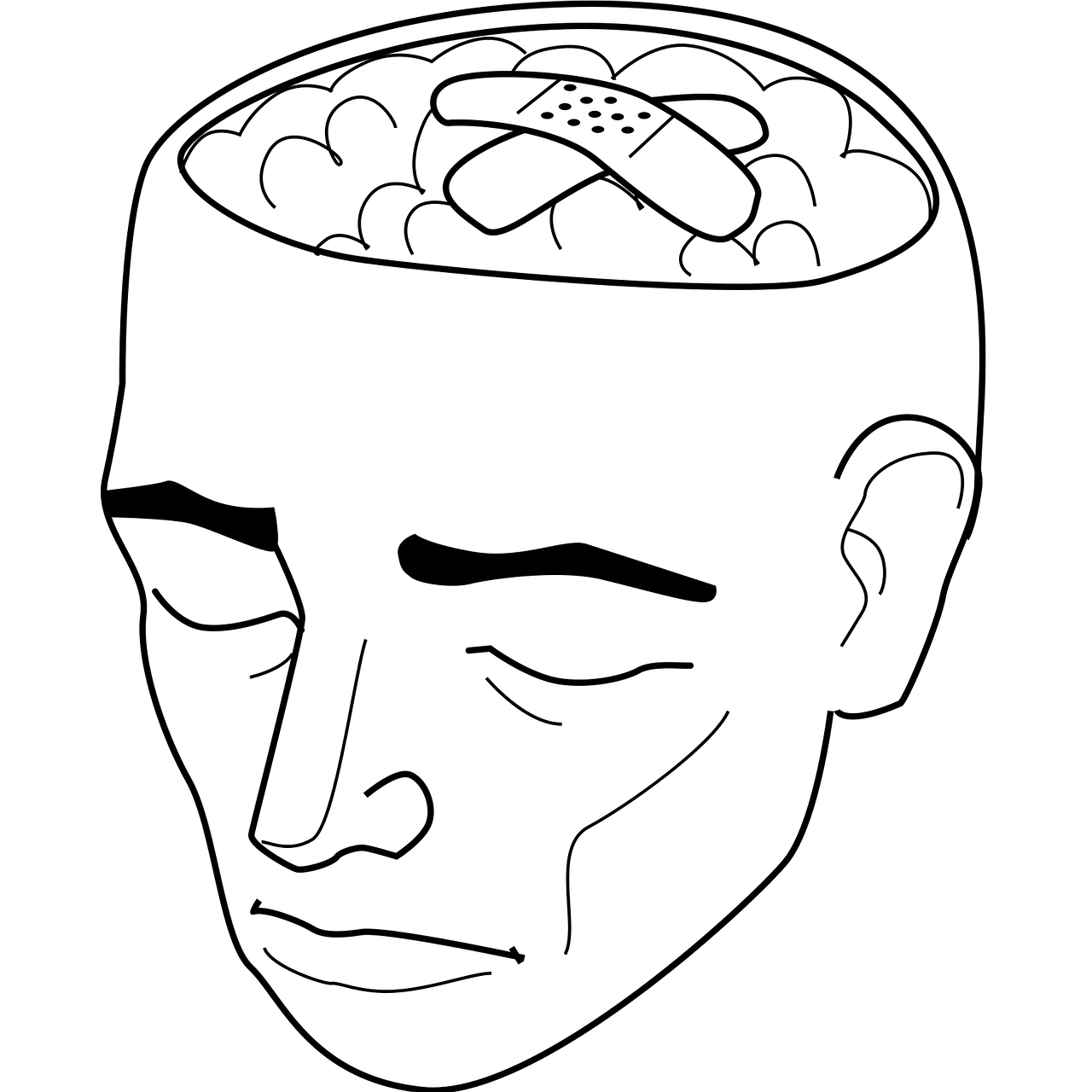

Effective Treatment Options for OCD: Therapy and Medications
Obsessive-Compulsive Disorder (OCD) is a chronic mental health condition characterized by uncontrollable and recurrent obsessions and compulsions. These obsessive thoughts can lead to significant anxiety and distress, while compulsive behaviors are often performed to alleviate these feelings. Treatment options for OCD are diverse, combining both therapy and pharmacological methods. It is essential for individuals exhibiting symptoms to seek professional help for accurate diagnosis and tailored treatment. Therapy may also provide a safe space for individuals to explore their thoughts and emotions related to their condition. Current approaches emphasize not just symptom relief, but also overall well-being. Evidence-based practices reveal effective strategies that can significantly reduce the impact of OCD on a person’s life. Research continues to evolve, providing new insights and options for managing this complex condition.
Among the most common therapeutic approaches for OCD, Cognitive Behavioral Therapy (CBT) is widely regarded as the first-line treatment. This therapy helps individuals recognize and modify maladaptive thinking and behavior patterns associated with OCD. The focus is on encouraging patients to confront their fears instead of retreating into compulsive behaviors. Exposure and Response Prevention (ERP), a specific CBT technique, involves gradual exposure to feared situations while refraining from compulsive responses. Studies have shown ERP to be highly effective in reducing OCD symptoms. Clients learn to tolerate anxiety without relying on compulsions, leading to improved emotional regulation. Although challenging, the process of confronting fears plays a crucial role in achieving lasting change. By understanding the relationship between thoughts, feelings, and behaviors, individuals can learn to manage their OCD more effectively. Engaging in CBT may also promote skills that apply to other aspects of life, enhancing resilience and coping strategies.
Medications Used to Treat OCD
In addition to therapy, medications may also play a vital role in the treatment of OCD. Selective Serotonin Reuptake Inhibitors (SSRIs), a class of antidepressants, are frequently prescribed to help alleviate OCD symptoms. SSRIs like fluoxetine, fluvoxamine, and sertraline have shown effectiveness in numerous clinical studies. These medications aim to stabilize serotonin levels in the brain, which can improve mood and reduce anxiety. It’s essential to note that while medications can provide symptom relief, they typically work best in conjunction with therapy. Monitoring by a healthcare provider during treatment is crucial, as dosage adjustments may be necessary based on individual responses. Side effects are possible, ranging from gastrointestinal issues to sleep disturbances. Therefore, discussing potential benefits and drawbacks with a physician is vital to achieving optimal treatment. Some individuals may experience significant improvements within a few weeks; however, others might take longer. Establishing realistic expectations about the timeline for symptom improvement is essential for successful treatment engagement.
Another important medication option includes Tricyclic Antidepressants (TCAs), although they are less commonly prescribed for OCD. Clomipramine, a type of TCA, has proven effectiveness in reducing obsessive thoughts and compulsive behaviors. While generally effective, TCAs may come with more severe side effects compared to SSRIs. Patients often experience fatigue, weight gain, and other potential issues. Understanding the respective benefits and drawbacks of these medications is crucial for informed decision-making. Moreover, response to medications can be quite individualized; thus, it may require time to find the most suitable option. Patients should engage proactively with their healthcare providers throughout the treatment process. Monitoring progress and reporting any side effects can help in adjusting medications when necessary. Ultimately, the goal is to achieve improved functioning and quality of life. A comprehensive treatment plan, including therapy and possibly medications, is essential for those affected by OCD to achieve better outcomes in managing their symptoms effectively.
The Role of Lifestyle Changes
Along with professional treatment options, lifestyle modifications can also support individuals managing OCD. Incorporating regular exercise into daily routines has proven beneficial, as physical activity helps in reducing anxiety and improving mood. Activities like yoga and meditation can also be particularly advantageous, as they encourage mindfulness and the regulation of stress responses. Proper sleep hygiene is another important element, ensuring the body and mind are adequately rested can significantly improve overall mental health. Nutrition plays a role as well; consuming a balanced diet can contribute to better mental well-being. Mindfulness practices, such as deep breathing or progressive muscle relaxation, can help manage anxiety symptoms as they arise. Establishing a structured daily routine can create a sense of stability, further reducing stress levels associated with living with OCD. Community support, whether through professional groups or personal relationships, can augment therapeutic progress. Engaging with others who understand the challenges of OCD can provide valuable emotional support and encouragement. Together, lifestyle changes can work to complement and strengthen the effects of formal treatments.
Support networks are key components in the journey towards recovery. Engaging with local or online support groups can provide individuals with the shared experience needed to feel understood. Involving family members in therapy can also enhance the treatment experience, fostering a supportive environment for the individual facing OCD. It’s vital for loved ones to educate themselves about the disorder, as well-informed family members can offer crucial emotional support. Training family members in techniques used in therapy can further solidify their role in the treatment process. Communicating openly about triggers and stressors is essential; it can help all parties become more attuned to what might exacerbate anxieties. Encouraging a non-judgmental space for discussions about feelings may promote healing. Advocating for oneself or loved ones is equally necessary, as expressing needs and difficulties can lead to obtaining appropriate resources. Together, these efforts create a holistic approach to managing OCD that goes beyond just medical interventions. They foster a collaborative effort in addressing the complex needs of individuals living with this condition, ultimately improving quality of life.
Future Directions in OCD Treatment
Looking ahead, the landscape of OCD treatment is evolving with ongoing research in neuroscience and therapy approaches. Investigating the biological underpinnings of OCD can lead to innovative treatment methods that could enhance existing protocols. Genetic studies may unravel why certain individuals respond differently to medications, offering new pathways for tailored treatments. Additionally, advancements in technology are reshaping how therapy is administered; teletherapy is becoming prevalent, making access to mental health services more convenient. Behavioral interventions utilizing apps or online programs can facilitate practice outside clinical sessions, reinforcing learned skills. AI-based programs are being developed to help analyze symptoms and tailor interventions more accurately. Moreover, examining alternative therapies such as Transcranial Magnetic Stimulation (TMS) presents promising avenues for individuals who do not respond to traditional methods. Continued collaboration within the mental health community is crucial, as sharing findings speeds up the development of best practices. Overall, optimizing the treatment experience for OCD will require a combination of innovative research, patient-centered strategies, and community support. Progress in these areas can empower individuals to reclaim their lives from the constraints of OCD.
In summary, effective treatment for Obsessive-Compulsive Disorder includes a multifaceted approach involving therapy, medications, lifestyle changes, and strong support networks. Cognitive Behavioral Therapy remains essential, especially with the integration of Exposure and Response Prevention techniques. Medications like SSRIs and TTCAs also play a critical role, providing necessary relief for many individuals. However, a comprehensive understanding of lifestyle modifications can enhance these efforts, while supporting individuals strengthens the recovery process. Future directions in OCD treatment indicate an exciting landscape of possibilities, with research and technological advancements paving the way for improved outcomes. The commitment to discovering personalized treatment strategies ensures that individuals with OCD can access the best care possible. With the right combination of methods, recovery is possible, fostering hope and empowerment for those living with this complex disorder. It is crucial for patients to remain engaged and proactive in their treatment journeys, as their efforts can yield significant improvements in daily functioning and quality of life. By understanding OCD and the options for treatment, individuals can make informed decisions to better manage their symptoms, leading to healthier and more fulfilling lives.