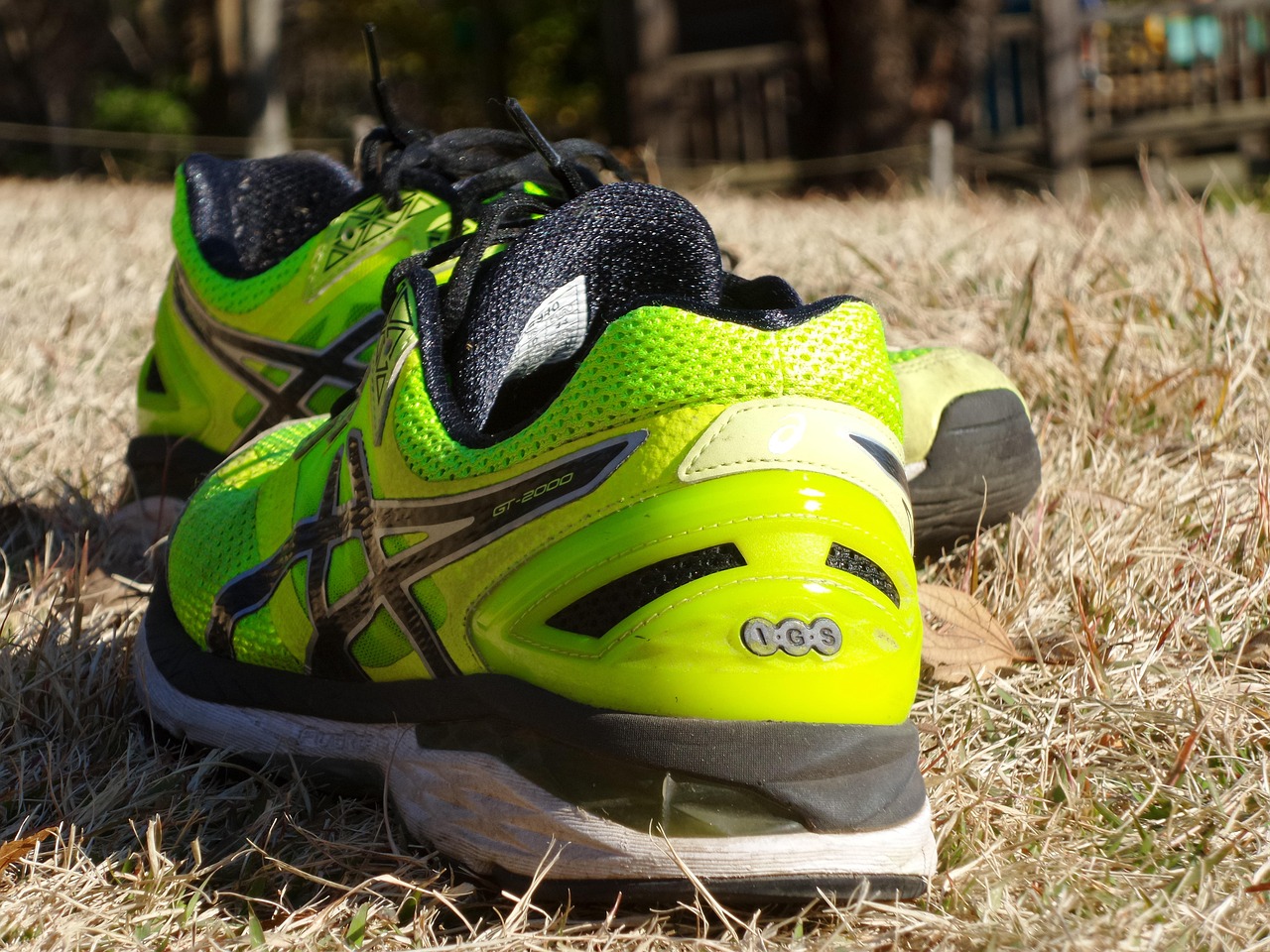

Best Shoes for Outdoor Speed Training: A Comprehensive Guide
Choosing the right shoes for outdoor speed training is critical to enhance your performance while ensuring comfort and avoiding injury. Numerous options exist on the market today, each with unique features targeting various aspects of training. The most suitable shoes typically offer excellent grip, flexibility, and cushioning to absorb the force during high-intensity workouts. When selecting your perfect pair, consider trying out shoes with different sole patterns and widths to find out what feels best for you. Pay attention to the fit; shoes should allow some wiggle room for your toes yet feel snug around the heel. Think about the surface you’ll primarily run on, like tracks, grass, or trails, as terrain-specific shoes can enhance your traction and overall experience. Researching and reading reviews from other athletes can also provide you with valuable insights into each shoe’s performance. With the right pair, you’ll be poised to achieve your speed goals effectively and enjoyably.
Key Features of Speed Training Shoes
Speed training shoes differ considerably from regular running shoes, possessing specific features that cater to dynamic movements and quick acceleration. The primary focus is on lightweight materials that do not hinder your speed. Additionally, these shoes usually come with a thin sole designed to promote ground feel and responsiveness. Look for shoes designed with an adequate grip, essential for making quick turns or enhancing take-off speed. Flexibility is another vital feature; shoes that allow for natural foot movement enhance agility during speed drills. Cushioning technologies like EVA or gel may be beneficial, but consider balancing cushioning with enough ground contact for power transfer. Breathability is essential too; shoes made with mesh uppers can help keep your feet cool during intense workouts. Finally, arch support should not be overlooked; it plays a crucial role in maintaining proper biomechanics. Thus, find shoes that cater to your unique foot shape while encompassing all needed functionalities.
Popular brands have developed shoes specifically engineered for outdoor speed training, making the selection process both fun and exhaustive. Brands such as Nike, Adidas, and Saucony are particularly notable for innovating technologies that suit various athletic preferences and needs. For instance, Nike’s Air Zoom series delivers exceptional responsiveness and cushioning. On the other hand, Adidas often incorporates Boost technology into its running shoes, known for its energetic return and elasticity, crucial for maximum speed. Saucony offers shoes with a streamlined design, suitable for runners emphasizing speed and performance. Newer brands like Hoka One One provide a different approach with their maximal cushioning, promoting recovery and comfort during training sessions. When exploring options, check each brand’s lineup, focusing on professional reviews and user experiences. Personal preference is vital too; visit stores when possible to try shoes on and assess how they feel in action. This hands-on experience can lead to discovering the shoes that boost your speed while keeping comfort in mind.
Consider the Terrain
Outdoor speed training often occurs on various terrains, which significantly influences the type of shoes selected. Different surfaces such as asphalt, dirt trails, or synthetic tracks come with unique requirements. If you’re training on tracks, take advantage of shoes with more rigid soles that promote speed while providing minimal resistance. In contrast, trail running shoes offer enhanced traction for uneven surfaces, usually fitted with deeper lugs for better grip. For those training on grassy fields, lightweight shoes with a slight stud can improve performance. Furthermore, the weather conditions play a vital role; wet or slippery roads necessitate shoes with superior grip or waterproofing features. Understanding the terrains you’ll be facing on training days will be essential. Performing speed drills in specialized footwear related to the surface can help improve performance as well as safety during workouts. Always assess your training environment when purchasing speed training shoes to ensure optimal performance tailored to the conditions.
Foot type and personal biomechanics must also factor into your shoe selection for speed training. Individuals with flat feet require shoes offering substantial arch support to stabilize and maintain proper foot alignment, reducing the risk of injury. Conversely, runners with high arches should select shoes that feature ample cushioning to lessen pressure on the foot’s medial side. Overpronators will benefit from motion-control shoes designed to empower a more neutral gait, preventing any unwanted rolling during fast-paced activities. Those with neutral feet can often experiment with different shoe types, balancing between stability and cushioning based on preference. Consulting a professional to analyze your foot structure and gait can be a worthy investment. They can offer guidance on the shoe category best suited for your speed training needs. Tuning into your body’s signals and understanding the importance of the right fit can enhance your training and ensure long-term enjoyment of your workouts.
Testing and Break-in Period
Testing your shoes before diving into intensive speed training is important to avoid complications later on. It’s best to try a short run or brisk walk to assess footwear comfort and fit. During this trial, pay close attention to areas that may create discomfort, including the toe box and heel cup. A proper fit should feel snug yet not constricting, allowing the foot to breathe during workouts. Remember that shoes usually require a break-in period; running in them for short stretches can help adjust the materials to your foot shape. Most manufacturers recommend gradually increasing time spent in the new shoes to avoid blisters or discomfort, particularly with speed-focused footwear due to their often stiffer design. Keep a regular check on how they feel as your training progresses; shoes may feel differently over time as they mold to your feet. This approach ensures you start using the right shoes with the ideal feeling as you ramp up your performance to meet your speed training goals.
Proper shoe care and maintenance are essential to maximize the life and performance of your speed training shoes. Begin by regularly inspecting your shoes for signs of wear, especially the soles, as decreased grip can significantly impact performance. Cleaning them after muddy runs is also crucial; dirt and debris can obstruct material breathability and aesthetics. Follow the manufacturer’s recommendations for washing, generally hand washing or using a gentle brush to maintain integrity. Ensure they are thoroughly dried after each run, avoiding direct sunlight or heat sources that can warp materials. You can also utilize a shoe spray or powder designed to combat odors and moisture. Rotating shoes between workouts can extend their lifespan by allowing them to dry out and maintain their original structure. Additionally, be aware of the lifespan of your shoes; after about 300-500 miles, it might be time to replace them, depending on your running style and the shoe model. By maintaining your shoes properly, you can enhance both safety and performance.
Conclusion and Recommendations
Ultimately, the best shoes for outdoor speed training should prioritize comfort, performance, and safety. This guide has provided insights into suitable brands, key features, terrain considerations, and proper care. Analyze your foot type and biomechanics for optimal choices, ensuring a balanced fit tailored to your needs. Don’t hesitate to try different brands and models, as each pair brings its unique advantages into your training routine. Pay crucial attention to wear, maintenance, and break-in periods to ensure your shoes serve you effectively through your training season. Join running groups or forums online to gain insights and share experiences with fellow speed trainers; their feedback can help make informed decisions on shoe choices. Investing time and effort into researching the best shoes will undoubtedly enhance your speed training experience. As you lace up and head outside, remember that the right shoes can make a significant difference in your performance. Enjoy your training, and may you reach new speed records!