
The Link Between Antioxidants and Inflammation Control in Sports
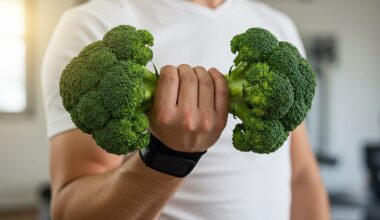
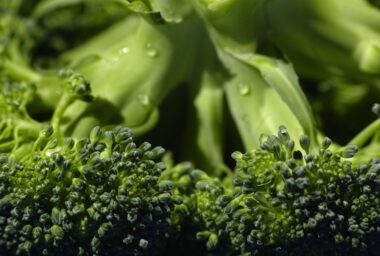
In sports nutrition, the role of antioxidants is becoming increasingly significant, especially in relation to controlling inflammation. Athletes often experience oxidative stress due to intense training, leading to increased inflammation. Oxidative stress is essentially an imbalance between free radicals and antioxidants in the body. When you exercise, your body generates more free radicals, which can damage cells and tissues. Antioxidants help neutralize these free radicals, reducing oxidative stress and supporting recovery. Foods rich in antioxidants include fruits and vegetables, particularly berries, greens, nuts, and seeds. Incorporating these foods into a diet can enhance performance and recovery in athletes. Benefits can be seen in improved muscle recovery, reduced soreness, and enhanced overall well-being. Furthermore, antioxidants such as vitamin C, E, and polyphenols are particularly highlighted for their potential in inflammation reduction. Understanding the connection between antioxidants and inflammation control can guide athletes to optimize their nutrition for better performance and health outcomes. The inclusion of appropriate antioxidant-rich foods as part of a well-rounded sports nutrition plan is essential for athletes aiming for peak performance.
Incorporating antioxidants into a sports nutrition program is essential for athletes training at high intensities. Not only do these powerful compounds reduce inflammation, but they also contribute to overall recovery and adaptation processes. The most common antioxidants in sports nutrition include vitamins C and E, beta-carotene, and flavonoids. One key aspect athletes should consider is timing their antioxidant intake. Consuming antioxidants immediately post-exercise can significantly aid in muscle recovery and mitigate delayed onset muscle soreness (DOMS). Furthermore, athletes are encouraged to consume a variety of antioxidant-rich foods throughout the day. This approach ensures a diverse intake of nutrients and maximizes the benefits of antioxidants for recovery and inflammation control. Specific foods like dark chocolate, green tea, and turmeric are also noteworthy. Each provides unique compounds that contribute to reducing inflammation in the body. Over time, consistent consumption of these foods can lead to better resilience against exercise-induced stress. As athletes strive for optimal performance, understanding the importance of antioxidants can profoundly influence their nutrition choices and recovery strategies.
How Antioxidants Function in Inflammation Control
Antioxidants play a critical role in the body’s defense against inflammation, particularly for physically active individuals. When the body undergoes strenuous exercise, oxidative stress is exacerbated, leading to inflammation. Antioxidants work by scavenging free radicals and neutralizing their harmful effects. This protective action makes them invaluable in sports nutrition. By reducing inflammation, antioxidants can contribute to improved performance by allowing athletes to train harder without the burden of excess inflammation. Some studies suggest that a diet rich in antioxidants might prevent chronic inflammation, which is often linked to long-term health issues. Regular consumption of specific antioxidants, such as flavonoids found in fruits and vegetables, supports immune function, essential for athletes in rigorous training regimes. Moreover, antioxidants can also play a role in regulating the inflammatory response. This adjustment helps maintain optimal muscle function and reduces recovery time. Athletes should focus on incorporating a variety of antioxidant sources into their diet. By doing so, they can effectively manage inflammation and enhance their overall athletic performance.
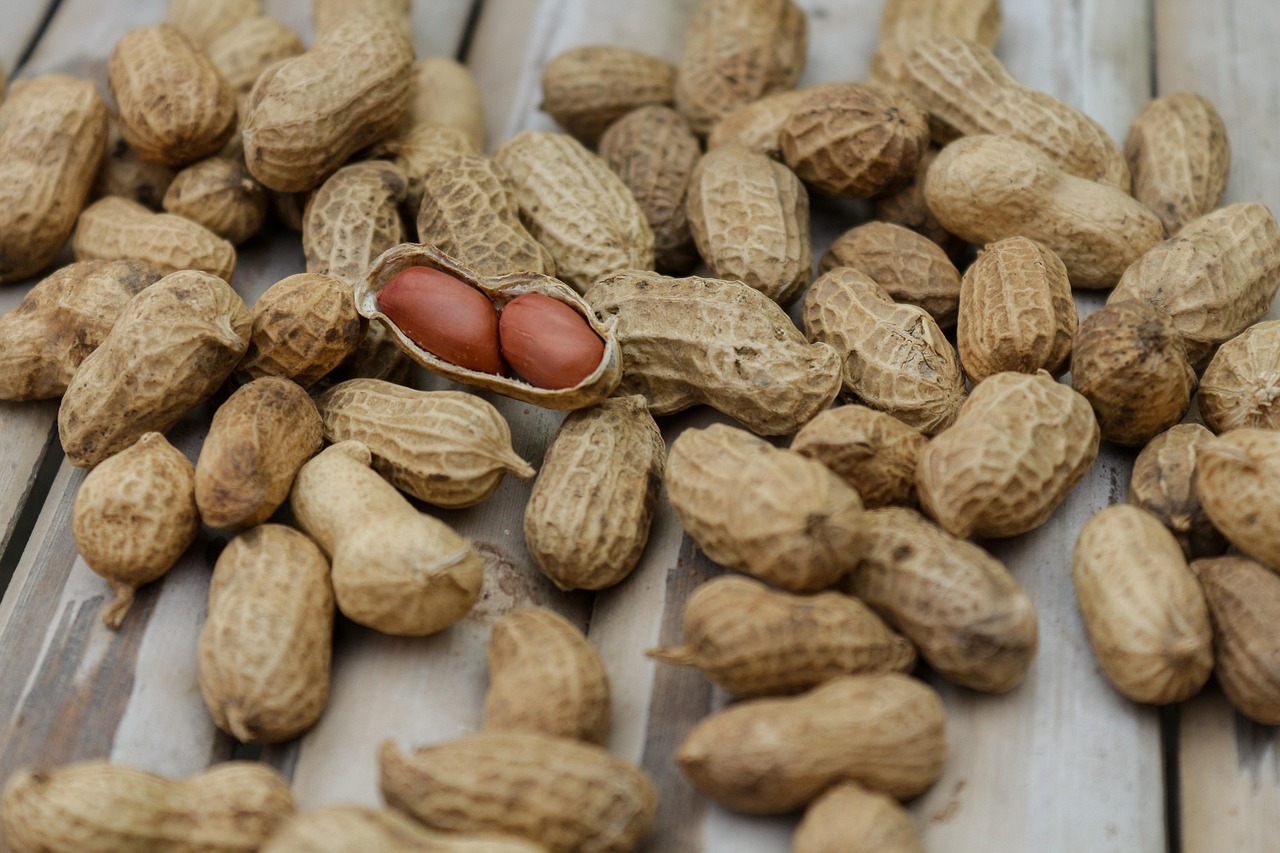
The impact of antioxidants on inflammation control goes beyond mere recovery benefits. Long-term inflammation poses serious risks for athletes, including chronic pain and injury. Emphasizing antioxidants in a balanced diet can significantly mitigate these risks. Research has shown that antioxidants contribute to maintaining hormonal balance, which can further influence inflammation levels. For athletes, maintaining optimal hormone levels is crucial as imbalances can lead to decreased performance and increased injury risk. Additionally, loading up on vegetables, nuts, seeds, and whole grains — all rich in antioxidants — ensures a broad spectrum of nutrients that support optimal health. Nutrient density is key; choosing foods high in antioxidants helps to maintain energy levels and support metabolic processes during intense training. Furthermore, staying hydrated with antioxidant-rich beverages, like herbal teas, can enhance overall intake. It’s essential for athletes to be aware of their dietary choices, focusing on whole food sources rather than supplements wherever possible. By prioritizing whole foods high in antioxidants, athletes can effectively support their body’s defense against inflammation and promote better performance.
Choosing the Right Antioxidants
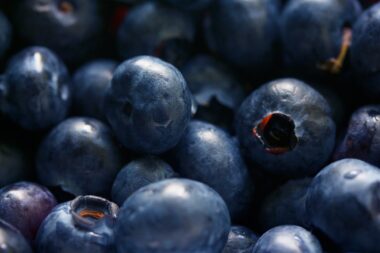
When selecting antioxidants for sports nutrition, variety is essential. Diverse sources of antioxidants provide unique health benefits, making it important to include different foods in the diet. Vitamins C and E are commonly known antioxidants, but other compounds, such as catechins and resveratrol, also play significant roles. Berries, particularly blueberries and strawberries, are rich sources of antioxidants and should be staples in an athlete’s diet. These fruits not only provide essential vitamins but also phytochemicals that contribute to reducing muscle soreness after workouts. Nuts, especially almonds and walnuts, also offer a healthy dose of antioxidants, good fats, and protein. Moreover, spices like cinnamon and turmeric are often overlooked yet have powerful antioxidant effects. Adding these to meals can enhance flavor while providing health benefits. Athletes should be mindful not to over-rely on supplements; whole food sources offer additional fiber and nutrients that supplements lack. Gradually incorporating a variety of antioxidants ensures that athletes obtain a broad range of benefits, further supporting inflammation control and overall performance enhancement.
Another important consideration in sports nutrition is the timing of antioxidant intake. Consuming a well-timed dose of antioxidants pre- and post-exercise can optimize their effectiveness. Research suggests that consuming antioxidants shortly before or immediately after training can help mitigate oxidative stress. This practice aids in bringing the body back to a balanced state after workouts. For instance, a smoothie with spinach, kiwi, and berries could serve as an excellent post-exercise meal. This approach ensures immediate replenishment of antioxidants. Additionally, many athletes are encouraged to reflect on their individual needs, understanding their unique responses to oxidative stress. Listening to their body and adjusting antioxidant intake accordingly can further enhance recovery and athletic performance. Meal planning can be beneficial, ensuring that antioxidant-rich foods are readily available when needed. It’s about combining convenience and nutrition effectively, allowing athletes to focus on training and performance goals without compromising their health. Managing inflammation through optimized antioxidant intake establishes a crucial foundation for success in sports nutrition.
Conclusion: The Importance of Antioxidants
In summary, antioxidants play an irreplaceable function in the realm of sports nutrition and inflammation control. By incorporating a diverse array of antioxidant-rich foods into the diet, athletes can significantly impact their performance and recovery. Reducing inflammation through appropriate dietary choices allows athletes to prolong their careers and maintain overall well-being. The scientific understanding of antioxidants has deepened in recent years, with growing evidence supporting their role in mitigating exercise-induced inflammation. Proper education on the best sources of antioxidants, practical ways to incorporate them, and an understanding of timing can empower athletes to make informed decisions. This knowledge creates opportunities for athletes to enhance their training and compete without the burden of excessive inflammation. Overall, a balanced diet that prioritizes antioxidants provides numerous health benefits beyond just performance enhancement. It establishes a sustainable approach to sports nutrition that facilitates long-term success. As athletes continue their pursuit of excellence, the importance of antioxidants in controlling inflammation will remain an essential topic worth exploring.
Ultimately, as athletes navigate the intricacies of sports nutrition, understanding the link between antioxidants and inflammation control can lead to profound benefits. By prioritizing antioxidant-rich foods in their diets, athletes can manage inflammation, enhance recovery, and optimize performance. Antioxidants help support cellular health, boost immune function, and reduce muscle soreness. Recognizing the importance of these nutrients encourages athletes to explore various food options, transforming their nutrition habits. This enhancement in knowledge promotes healthier eating patterns rich in whole foods, paving the way for improved athleticism. With practical applications at their disposal, athletes can make informed choices that contribute to their long-term goals. Advanced research continues to explore the depth of antioxidants’ effects, reinforcing their significance in sports nutrition. Moreover, as athletes continuously strive for improvement, incorporating antioxidants into their regimen will become even more pivotal. Balancing training with appropriate nutrition partners can prevent negative outcomes associated with inflammation while promoting sustained performance. Embracing these dietary strategies will ultimately maximize their potential, resulting in a thriving sports career and overall health.