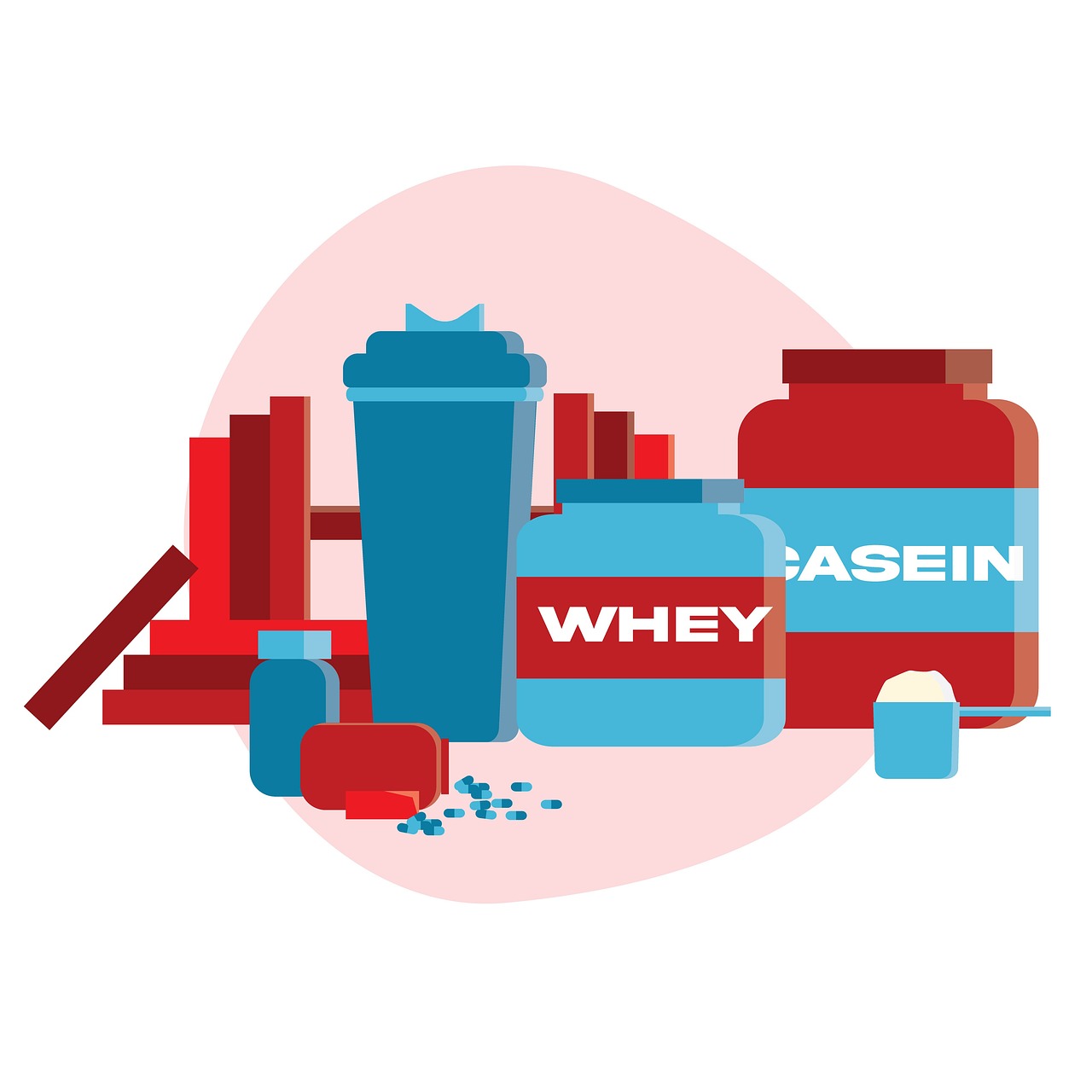

The Benefits of Whey Protein versus Plant-Based Protein for Men’s Fitness
In the realm of fitness, protein plays a vital role in muscle repair, growth, and overall wellness. Men looking to enhance their fitness often choose between whey protein and plant-based protein. Each type of protein has its unique benefits and potential drawbacks. Whey protein, derived from milk, is quickly absorbed by the body, making it an excellent choice post-workout. Men who engage in intense training frequently opt for whey due to its high bioavailability. This means the body utilizes it effectively, promoting quicker recovery. In contrast, plant-based protein options, such as pea, brown rice, and hemp protein, offer diverse nutritional benefits. Additionally, they cater to vegans and individuals with lactose intolerance. When considering a protein source, factors such as amino acid profile, digestibility, and personal dietary preferences come into play. Ultimately, choosing the best protein supplement involves evaluating individual goals, lifestyle, and fitness needs. This decision not only impacts muscle building but also overall health. By understanding the unique attributes of each protein type, men can make informed choices for their fitness journeys.
Whey protein is known for its rich content of essential amino acids, particularly leucine, which plays a crucial role in muscle protein synthesis. This makes it highly effective for those aiming to increase muscle mass or recover quickly after exercise. The quick digestion rate enhances recovery after intense workouts, allowing athletes to bounce back faster. However, not all whey protein supplements are created equal; it is essential to look for high-quality products that are minimally processed. On the other hand, plant-based proteins can sometimes lack certain essential amino acids. To ensure a well-rounded amino acid profile, men can combine different sources of plant protein, such as rice and beans. This blending maximizes the protein quality and nutritional value. Moreover, plant proteins usually come with added fiber, which helps with digestion and can promote a feeling of fullness. Including high-fiber plant-based options can support overall digestive health. Further evaluation of these proteins allows individuals to align their choices with personal wellness goals. In the next section, we will delve deeper into the effects of these protein sources on muscle recovery.
Effects of Whey Protein and Plant-Based Protein on Muscle Recovery
Muscle recovery is essential for anyone engaged in fitness training, and the type of protein consumed can significantly impact this process. Whey protein, due to its rapid absorption, allows for quicker ingestion of the necessary nutrients required for muscle repair. Studies have shown that athletes consuming whey protein post-exercise experience enhanced recovery and reduced muscle soreness compared to those using plant protein. Despite these advantages, many still question the long-term effects of relying solely on whey protein. This is where plant-based proteins shine. They not only support muscle repair but also contribute to overall health. Rich in antioxidants and vitamins, they aid in reducing inflammation in the body, which can further enhance recovery. Some research suggests that while whey might excel in immediate recovery, a mix of both protein types can yield the best results. Combining whey and plant-based proteins can provide a comprehensive range of amino acids while optimizing recovery times. Different protein sources complement each other, resulting in a synergistic effect on muscle health. The next topic will explore potential side effects and considerations when consuming these protein types.
When choosing between whey protein and plant-based protein, it’s important to consider potential side effects and personal dietary restrictions. Whey protein, while beneficial, may cause discomfort for those who are lactose intolerant. Symptoms such as bloating or digestive issues can arise, prompting individuals to seek alternative protein sources. In contrast, plant-based proteins tend to have fewer gastrointestinal side effects and can support overall digestive health due to their fiber content. However, they may be less effective in delivering certain nutrients that whey can provide. For instance, iron absorption from plant sources might be lower compared to animal-based proteins. Moreover, individuals who consume a more restricted diet might find it challenging to meet their protein needs solely through plant sources. Thus, it becomes crucial to consider these factors when selecting a protein supplement. Men focusing on strength training might benefit from both sources, allowing for a balance that meets their fitness goals while maintaining digestive comfort. Achieving this balance can provide the best of both worlds, supporting muscle recovery and enhancing overall nutrition.
Comparing Nutrient Profiles
Examining the nutrient profiles of whey and plant-based proteins reveals significant differences. Whey protein is typically high in protein content and low in carbohydrates and fats, making it an appealing option for those focused on muscle gain without adding excess calories. A standard serving of whey can offer about 24 grams of protein, with minimal fat and sugar. On the other hand, plant-based proteins can vary greatly depending on the source. For instance, pea protein contains around 20 grams of protein per serving but includes more carbohydrates and fiber, which can be beneficial for some. Additionally, certain plant proteins can provide valuable nutrients like magnesium, potassium, and vitamins. Understanding these nutritional profiles can assist men in tailoring their protein intake to specific fitness goals. Whether aiming for muscle gain or weight loss, the right protein source can make a big difference. By assessing personal goals, dietary preferences, and combining protein sources as needed, one can ensure optimal nutritional intake for their fitness regime. This lays the foundation for achieving desired outcomes efficiently.
In considering sustainability, especially among environmentally conscious consumers, plant-based proteins are often seen as the more eco-friendly choice. The production of whey protein typically involves higher resource consumption, including water and land use linked to dairy farming. Conversely, plant-based protein sources often require fewer resources to produce. This makes them appealing to those looking to reduce their environmental footprint while optimizing athletic performance. Moreover, as more consumers become aware of their food’s ecological impact, the demand for sustainable protein sources increases. This social consciousness pushes many manufacturers to create high-quality plant-based supplements that satisfy nutritional criteria without compromising on taste or effectiveness. Whey protein advocates highlight its superior effectiveness for muscle recovery, but it’s essential to recognize the broader implications of protein sourcing. Merging ethical considerations with scientific evaluation allows men to make choices aligned with both their fitness aspirations and personal ethics. This mindset contributes to a well-rounded approach to men’s fitness, enhancing physical performance while respecting the planet’s health. Now, let’s discuss the practical applications of incorporating these proteins into daily diets.
Incorporating Protein into Daily Diets
Integrating protein supplements into daily nutrition requires a thoughtful approach for efficiency in muscle building and recovery. Men can incorporate whey protein shakes post-workout, blending it with fruits or vegetables for added nutrients. This quick and easy option aids in meeting daily protein requirements while providing convenience for busy lifestyles. For those opting for plant-based proteins, consider using options like hemp or pea protein in smoothies or oatmeal. This flexibility allows individuals to mix and match flavors while achieving their protein goals. Another strategy includes snacks such as protein bars or yogurts that combine different protein sources, offering variety while upping protein intake. Meal planning can help ensure both protein types are consumed adequately throughout the week, promoting balanced nutrition. Understanding when to optimize protein intake can further enhance fitness outcomes—focusing on protein timing relative to workouts enhances recovery and muscle synthesis. This holistic approach leads to sustained improvements in performance and health, as men cultivate their fitness journeys. By applying these ideas regularly, supplementing diets with appropriate protein sources becomes seamless and effective for individual lifestyles.
In conclusion, both whey protein and plant-based proteins have distinct benefits that can benefit men pursuing fitness goals. While whey protein stands out for muscle recovery due to its fast absorption and high leucine content, plant-based proteins offer a sustainable, nutritious alternative for a broader audience. Understanding the individual dietary needs and lifestyle factors greatly influences the choice between the two. It is often beneficial to incorporate both proteins into a regimen, combining their advantages to maximize health benefits. Evaluating personal preferences, ethical considerations, and specific fitness aspirations allows for a personalized approach to protein intake. With thoughtful consideration, athletes can tailor their protein sources to achieve optimal performance and health. The flexibility of these options can empower men to maintain a balanced diet, fostering both physical gains and enhanced overall health. Each protein source plays a unique role in one’s nutrition strategy, making it essential to navigate through these choices wisely. Ultimately, the key takeaway lies in achieving balance while being mindful of diet diversity to support long-term fitness success.