
The Benefits of Martial Arts for Men’s Heart Health
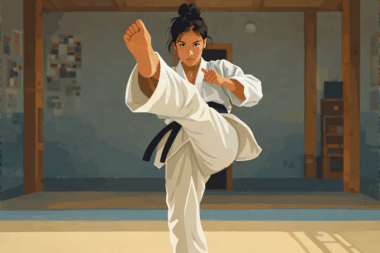
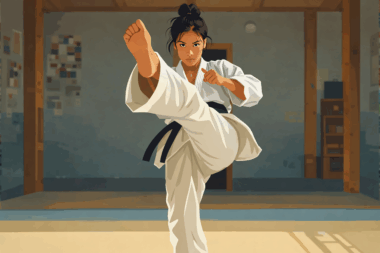
Martial arts training is not only an incredible way to learn self-defense but also serves as an effective exercise to promote heart health in men. Engaging in martial arts can improve overall cardiovascular fitness, leading to a healthier heart and body. Activities like kung fu, judo, or kickboxing enhance endurance, which is vital for a healthy cardiovascular system. Participants often experience reduced blood pressure and improved circulation through vigorous movement and practice. Additionally, these exercises can provide a fun, motivational environment that encourages consistent physical activity. The social aspect of training with others fosters a welcoming community that helps maintain motivation. Furthermore, martial arts can reduce stress, which plays a significant role in heart health. The focus on breathing, meditation, and discipline can contribute to mental well-being while lowering cortisol levels. Studies demonstrate a clear link between high stress and cardiovascular issues in men, making martial arts an ideal outlet. Moreover, the structured environment of martial arts training helps develop routines, promoting a healthier lifestyle overall. This multifaceted approach benefits not only the heart but also enhances physical, mental, and emotional health.
Impact on Physical Fitness
Martial arts training effectively addresses various fitness components, contributing significantly to men’s heart health. Engaging in regular practices enhances cardiovascular endurance, muscular strength, and flexibility. Each martial discipline offers unique techniques that engage different muscle groups, resulting in comprehensive fitness improvements. This training can help combat sedentary lifestyles, promoting active living trends among men. Improved cardiovascular endurance ensures that the heart works efficiently when performing daily activities. Training sessions often involve high-intensity intervals that push limits, leading to better oxygen utilization and cardiovascular performance. Additionally, building muscle strength enhances overall fitness capacity, making everyday tasks manageable and less tiring. Flexibility is another essential aspect provided by martial arts, reducing the risk of injury and enhancing performance. The increased range of motion allows for proper execution of techniques, which leads to safer practice sessions. Men participating in martial arts also experience weight management benefits, as these intense workouts burn calories effectively. Maintaining a healthy weight is vital for heart health, reducing the risk of heart-related diseases. As men embrace martial arts, they can achieve optimal physical fitness levels while also enjoying the numerous health benefits.
Since heart disease remains one of the leading health concerns for men, fostering a healthy lifestyle is essential. Martial arts can address cardiovascular health through engaging and varied workouts. Active training helps lower body fat percentage, contributing to reduced cholesterol levels and improved heart function. By committing to martial arts, men can find a long-term solution to maintaining their physical fitness. A consistent schedule of practice integrates exercise into daily life, making it routine and sustainable. As men progress in their martial arts journey, they can track improvements in strength, speed, and agility, further encouraging continued participation. The discipline required in martial arts encourages men to set and reach personal fitness goals. Moreover, this pursuit of excellence supports a structured approach to health, leading to better dietary choices and overall lifestyle. Men involved in martial arts are often more conscious of their bodily health and well-being. They recognize the importance of proper nutrition, hydration, and rest, which contribute to their performance. In this way, martial arts not only focuses on physical training but also emphasizes the significance of other health elements that are crucial for longevity.
Mental Benefits Related to Heart Health
Mental health plays a critical role in cardiovascular wellness, and martial arts contribute positively to men’s mental state. Engaging in this practice fosters focus and discipline while reducing anxiety and stress levels. Learning techniques and mastering forms require commitment and concentration, which can improve cognitive functions over time. This structured training environment cultivates a sense of achievement and self-esteem, boosting morale during physical challenges. A positive mental state has direct effects on heart health, as lower stress levels reduce the risk of heart issues. This connection between mental well-being and physical health is increasingly recognized in healthcare. Practicing mindfulness during martial arts represents a harmonious balance between body and mind. Techniques such as slow, controlled breathing practiced in martial arts serve to calm the nervous system, promoting relaxation. Men find that these classes offer them an opportunity to connect with their inner selves, creating a meditative experience that benefits mental clarity. Men who consistently practice martial arts report elevated mood levels, allowing them to face daily challenges more positively. This improvement in emotional state directly influences their physical health, underscoring the importance of addressing mental wellness alongside cardiovascular concerns.
Another significant advantage of martial arts training lies in its potential to enhance self-discipline. Developing discipline in martial arts shapes various aspects of life, encouraging healthier behavior and routines that indirectly support heart health. Men who invest time in martial arts training often build resilience and improved coping mechanisms to handle stress. Over time, this emotional fortitude can lead to better decisions regarding nutrition, exercise, and general lifestyle habits, significantly impacting overall well-being. The journey of martial arts also teaches the importance of commitment, patience, and focus in achieving fitness goals. As men push themselves in their martial arts journey, they develop skill levels that require dedication and long-time persistence. This commitment strengthens not only their physical abilities but also builds mental resilience and determination. Successful martial artists often take their learned skills outside their training environment, developing accountability in many life aspects. This sense of ownership can lead to proactive approaches to health management, including regular check-ups and health screenings. As men become increasingly health-conscious through martial arts practice, they can significantly reduce the potential risks associated with heart disease.
Social Interaction and Support Systems
Martial arts training encourages social interactions, creating a network of support that can significantly benefit heart health. Participating in martial arts classes often means working with coaches, instructors, and peers, fostering camaraderie. As these relationships develop, they provide essential emotional and motivational support, enhancing mental well-being, crucial for controlling heart health. Training alongside others cultivates a sense of belonging and purpose, which contributes positively to emotional stability. This sense of community can be especially beneficial for men who may struggle with isolation. Social connection has been linked to better health outcomes, as committed relationships create accountability and encouragement. Participants share their journeys, goals, and challenges, motivating one another to remain consistent in their martial arts practice. Forming strong bonds within the martial arts community can also provide an outlet for discussing life challenges, fostering positive coping strategies. The supportive atmosphere can lead to lowered stress levels and improved morale. As men gather for training, their interactions spur retention and continuity in their practice. This social dimension positively impacts cardiovascular fitness by enhancing emotional and mental health, ultimately improving heart-related outcomes.
Lastly, martial arts may help instill healthy competition among practitioners, promoting heart health through motivating interactions. While training can be serious, the friendly rivalry encourages participants to set personal bests and reach new levels of physical performance. Engaging in sparring or competitive settings allows men to test their skills while developing teamwork and collaboration. This environment of sport fosters an atmosphere of encouragement, as peers push each other to complete challenging workouts. The friendly competition creates an incentive to remain active, thus improving cardiovascular fitness levels and overall health. Moreover, men experience elevated adrenaline and energy levels during intense sparring sessions, which contribute to physical fitness improvements. The thrill of competition can also ignite a passion for fitness, encouraging men to seek out further training opportunities. This commitment encourages consistent attendance in classes while resulting in improved heart health outcomes. Engaging in martial arts as a means of improving fitness actively translates into a shared pursuit of better heart health. Therefore, both the social and competitive aspects of martial arts contribute to overall well-being and longevity.
The health benefits of martial arts undeniably extend beyond physical fitness, implementing heart-health-focused advantages throughout practitioners’ lives. Overall, martial arts training presents a comprehensive approach to men’s health, integrating physical activity, mental focus, and social connection. By adopting martial arts as a workout method, men can positively influence their cardiovascular health. Through increased endurance, strength, and flexibility, individuals can achieve remarkable fitness results that support overall heart function. Moreover, the mental benefits accompanying training create a robust foundation for emotional well-being, mitigating the likelihood of stress-related heart issues. Social interactions present within training communities enhance support systems needed for personal growth and accountability. Encouraging friendly competition fosters a desire for continuous improvement that effectively addresses the sedentary nature of modern life. As men embrace martial arts, they learn to engage their bodies and minds in ways that contribute to robust heart health. In conclusion, dedicated martial arts training serves as a holistic approach for men seeking to sustain long-term health benefits. Embracing this lifestyle can promote a healthier heart, body, and mind, ultimately leading to a fulfilling and prosperous life.