
Stretching Routines to Combat Sitting-Related Posture Issues
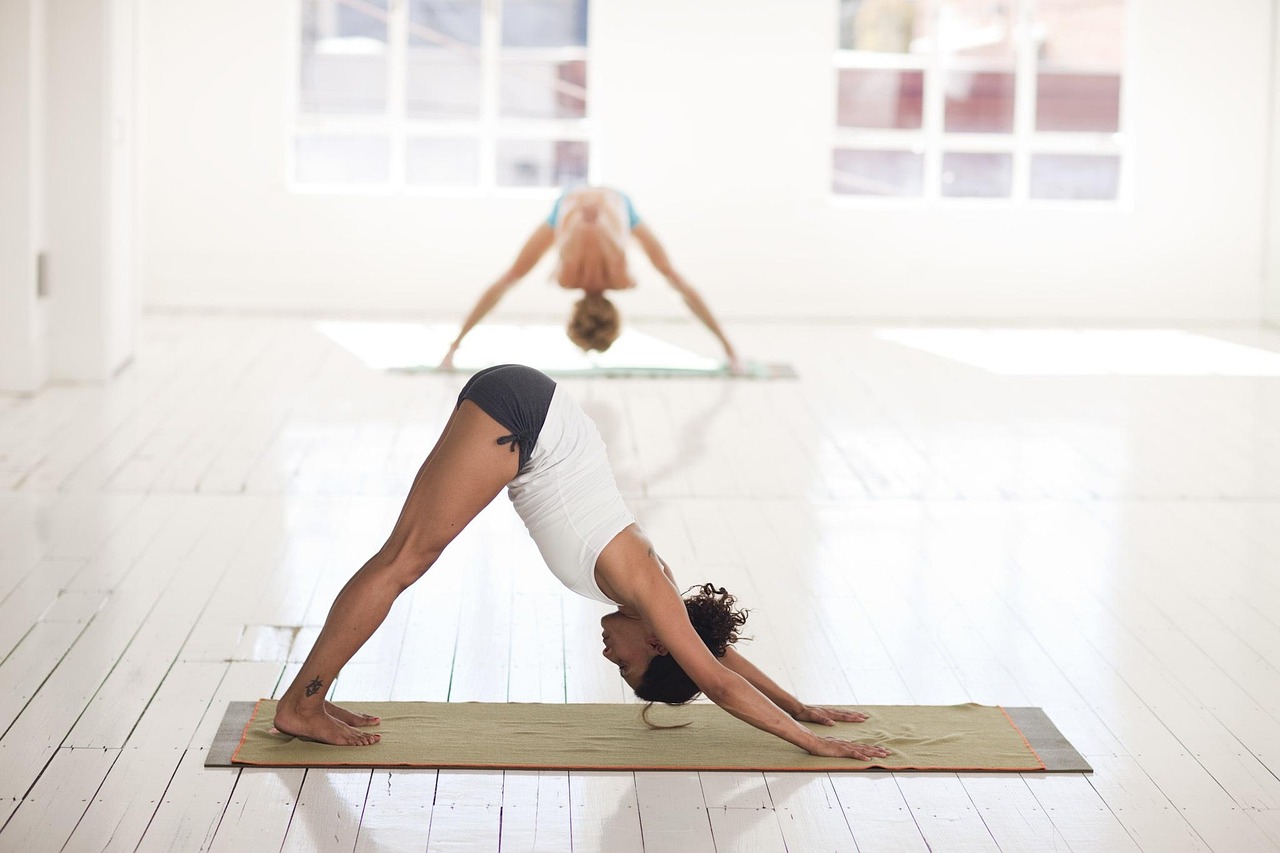
In today’s increasingly sedentary lifestyle, effective stretching routines can help combat the negative effects associated with prolonged sitting. Incorporating stretches into your daily routine can improve flexibility, reduce muscle tension, and enhance overall posture. This article discusses specific stretching exercises designed to alleviate common posture-related issues caused by extended sitting. One main benefit of stretching is the increased blood flow to muscles, which aids in recovery and promotes overall muscle health. Ensure you perform each stretch gently, holding for at least 15 seconds. To begin, start with neck stretches that release tension in your upper body. Integrate shoulder rolls to alleviate stiffness and encourage mobility in the shoulder joints. Furthermore, deciding to stand occasionally while working at a desk is effective in breaking up long sitting periods, promoting better circulation. Consider adding resources like guided videos or images to inspire your stretching sessions. They can showcase proper form, ensuring you reap the full benefits from each position. Emphasizing regularity in stretching routines is crucial: aim for at least three times a week to see noticeable improvements.
Another important aspect of reducing sitting-related posture problems involves understanding the mechanics of your body while sitting. When seated, ensure your feet are flat on the ground, which improves your center of balance and posture. Your hips should be positioned all the way back in your chair, allowing your spine to maintain a natural curve. Try using tools like lumbar supports or rolled-up towels to help promote proper spine alignment as you sit. This conscious effort to create a favorable sitting environment can make a significant difference in how your body feels throughout the day. Remember that frequent breaks are just as crucial as sitting posture. Aim to take a quick break from the desk every 30-60 minutes, allowing time for standing or walking. During these breaks, perform simple stretches like standing quadriceps stretches or calf raises to enhance circulation and relieve tension in the lower body. Adding this dynamic movement can also reinvigorate mental focus and productivity, ultimately contributing to a more ergonomic workspace. By implementing these tips, you’re more likely to limit the stress that prolonged sitting can inflict on your body.
Essential Upper Body Stretching
Upper body stretches are essential for individuals who spend long hours in front of a computer screen. Implementing a structured routine focusing on stretching the arms, shoulders, and neck can provide relief from the tension built up in these regions. One effective stretch is the arm cross-over stretch, where you extend one arm across your body and gently pull with the opposite hand. This stretch targets the shoulders and upper back, alleviating discomfort caused during long periods of sitting. Another effective option includes the seated spinal twist. Sit with a straight back, and carefully twist your torso to one side while supporting the twist with your arm against the outside of your knee. This motion helps to improve thoracic mobility and relieve tension in the back muscles. Meanwhile, don’t forget to include neck stretches like the ear-to-shoulder stretch, where you softly tilt your head towards one shoulder while keeping the opposite shoulder down. Incorporating the chin tuck stretch can also help strengthen neck muscles; gently retract your chin towards your neck while keeping your back straight.
Implementing stretches into your daily routine is vital in managing and reducing sitting-related posture issues. Consider using reminders or alarms on your phone to prompt you to take breaks or stretch. This helps to create a habit of stretching, making it easier to integrate into your life. Don’t underestimate the benefits of relaxation-focused stretches such as the child’s pose, which stretches the spine and opens up the hips. Integrate a well-rounded routine that includes flexible stretches for both the upper and lower body. Additionally, explore other forms of exercises such as yoga or Pilates which can provide holistic approaches to improving your body’s flexibility and strength. By incorporating these methods, you create a balanced approach that enhances your posture over time. It’s essential to listen to your body as you perform these stretches. If you feel any discomfort or pain, modify the stretch until it feels comfortable. It’s all about finding the right balance for your own body, ensuring longevity in your daily activities. Remember, enhancing your sitting posture is a continuous journey that requires commitment to ensure a healthy lifestyle.
Lower Body Stretching
Paying attention to lower body stretching routines is equally important for counteracting the effects of sitting. Muscles in your legs, hips, and lower back can tighten significantly, causing discomfort and contributing to poor posture. Start with a classic hamstring stretch by sitting on the ground with one leg extended. Lean forward gently with both hands, grasping your toes and breathing deeply. This stretch not only targets the hamstrings but also reinforces flexibility in the lower back. The hip flexor stretch is another great exercise that combats the tightness caused by prolonged sitting. Kneeling on one knee, push your hips slightly forward while keeping your back straight to feel the extension in your hip flexors. Additionally, you can perform standing calf stretch: lean against a wall, place one foot behind the other, and push the back heel down for a deeper stretch. Engaging in these lower body stretches regularly can promote better posture, ease lower back pain, and ultimately help you to regain strength and flexibility. Consistency with these exercises ensures you’re fostering a healthier routine.
Incorporating dynamic stretches into your routine can maximize your stretching benefits. Dynamic stretches focus on movement rather than static holding positions, which can help improve blood circulation and enhance muscle performance. Walking lunges are an excellent way to loosen hip flexors, hamstrings, and quadriceps while promoting balance. Start by standing tall and taking a step forward into a lunge while lowering your knees. Switch legs and repeat several times, maintaining awareness of your posture throughout. Consider introducing arm circles to engage your shoulders dynamically. With arms extended at your sides, make small, controlled circles while gradually increasing the diameter. This enhances blood flow and may improve joint range of motion. To address your back, consider the dynamic cat-cow stretch where you alternate between arching and rounding your back on all fours. Focusing on form is essential to gain maximum range of motion without straining your muscles. Engaging in dynamic stretches will not only prep your body for sitting tasks but also helps recover after sitting too long. This efficiency in transitioning between contrast in movements secures an improved posture.
Creating a Sustainable Stretching Routine
Establishing a sustainable stretching routine is key to combatting the adverse effects of sitting. One effective method is to incorporate stretching into your workday seamlessly. Set aside short intervals each day dedicated to stretching—this could be during breaks or before and after work. Use resources such as smartphone applications or calendar reminders to cue you in. Make sure to evaluate your routine regularly by adjusting based on how your body feels. For instance, if something feels tight or stiff, add more focus in that area. Try to promote variety in your routine, selecting different stretches to keep things fresh and engaging. Additionally, find a partner to stretch with; this can enhance your motivation and create accountability. Document your progress to acknowledge fitness journeys, creating a rewarding positive feedback loop. Furthermore, consider assigning weekly goals, such as improving your hamstring flexibility, and celebrate these achievements to stay motivated. Understanding your body and its needs contributes to sustainable practices, ensuring that you maintain good posture. Over time, consistency in your stretching routine will result in noticeable benefits in your posture and overall well-being.
In conclusion, implementing effective stretching routines in your daily life combats sitting-related posture issues successfully. The techniques discussed can enhance flexibility, strength, and overall body balance. Targeting both upper and lower body areas ensures a holistic approach in addressing tightness caused by a sedentary lifestyle. Consistency matters: by scheduling short, regular breaks for stretching, you build a habit that will naturally integrate into your daily routine. Furthermore, don’t forget about the importance of creating an ergonomic workspace to complement your efforts in maintaining good posture. Investing in proper furniture and accessories supports your anatomy while working, reducing the risk of discomfort or injury. Always listen to your body as it responds to stretching; personalized adjustments will cater to unique needs. When you leverage the combined effects of regular stretching, proper sitting mechanics, and workspace ergonomics, you equip yourself to combat the challenges of prolonged sitting. Efforts become more effective when they align with sustainable practices that promote healthy posture and body function, leading to improved productivity. Ultimately, the journey to better posture is ongoing, and making these changes today will lead to lasting impacts for years to come.