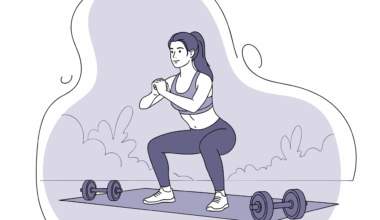

Setting Strength Training Goals for Older Adults
Strength training is essential for older adults as it helps in maintaining muscle mass, increasing bone density, and improving mobility. Goals should be clear, realistic, and tailored for each individual. Begin by assessing current fitness levels, which can be done through simple tests, such as lifting weights or performing bodyweight exercises. Progress must be incremental and systematic to prevent injury, along with offering a sense of achievement. Setting SMART goals—Specific, Measurable, Achievable, Relevant, Time-bound—provides a structured approach to planning. Additionally, older adults can benefit from incorporating flexibility training alongside strength practices, leading to a more comprehensive fitness routine. Listening to your body is crucial, especially if pain or discomfort arises. Consider consulting healthcare professionals or certified trainers specialized in senior fitness to ensure a safe practice. Regular evaluations of goals are necessary to adjust plans as fitness levels change. Lastly, persisting through challenges with a positive mindset has immense benefits, as it leads to improved physical and mental health overall, ensuring a more active lifestyle as one ages.
Determining the intensity of strength training is vital for older adults. A good starting point is the “talk test”; if one can comfortably talk during the exercise, the intensity is likely appropriate. In addition to personal assessments, consulting with fitness professionals can provide further insights. A well-structured program should include a variety of exercises targeting all major muscle groups. This ensures balanced strength development and better overall fitness. Furthermore, older adults should aim for at least two days of strength training per week, according to health guidelines. For example, targeting major muscle groups including legs, back, chest, arms, and core, can enhance performance. Incorporating resistance bands, free weights, or machines promotes versatility and enjoyment. Monitoring progress with regular checks is equally critical. This can include increasing weight resistance gradually or modifying exercises to maintain engagement. Celebrating small achievements fosters motivation. Older adults should also be aware of their recovery needs post-exercise, encouraging muscle healing and preventing injury. Focus on nutrition is equally important to support ongoing strength development as well as enhancing overall well-being.
Identifying Challenges in Strength Training
Older adults often face unique challenges regarding strength training. Issues like chronic health conditions, limited mobility, or previous injuries may hinder performance. Awareness of these factors helps in creating safer, more effective exercise regimens. Individualized assessments allow participants to work within their limitations. Incorporating modifications can transform challenging exercises into achievable goals. For instance, assisted movements or support from equipment can make a significant difference. Additionally, building a support system, including family, friends, or workout partners, can foster motivation and accountability. Many older adults fear injury; therefore, establishing a foundation of trust with trainers can ease those concerns. Furthermore, education on correct movement patterns ensures the safety of participants. Setting realistic expectations is essential to avoid frustration; progress takes time, and recognizing small victories is important. Regular communication with a healthcare provider can also assist in modifying fitness programs based on health updates. Lastly, staying informed about proper techniques and best practices inspires both confidence and commitment, making strength training a sustainable part of daily life.
Mixing strength training with cardiovascular activities can yield substantial health benefits. Combining these areas promotes overall fitness, enhancing endurance and flexibility alongside strength improvements. For older adults, engaging in low-impact cardiovascular workouts, such as walking or cycling, supports heart health while avoiding excessive strain. This combination creates a comprehensive exercise plan; integrating differentials keeps routines exciting and ensures balanced development. Furthermore, cross-training can reduce the risk of injury by preventing repetitive strain on specific muscle groups. This versatile approach not only supports physical health but also enhances psychological well-being due to variety. It keeps motivation high, which is crucial as individuals progress in their strength journey. Schedule regular assessments to evaluate effectiveness and ensure goals remain relevant. Adapting strategies based on feedback supports ongoing development. Neither activity should be intimidating; instead, they should work together harmoniously to foster better health. Seeking guidance from fitness professionals can lead to tailored programs that blend these elements efficiently. By doing so, participants are far more likely to stick with exercise plans that contribute positively to their health and vitality.
Nutrition’s Role in Strength Training
Nutritional considerations play a pivotal role in the success of strength training for older adults. Proper nutrition fuels the body, enhancing performance and recovery. Prioritizing protein intake is crucial, as it directly impacts muscle synthesis and repair. Older adults should aim for a balanced diet rich in whole foods, including lean proteins, healthy fats, whole grains, and plenty of fruits and vegetables. These elements support overall health while ensuring adequate energy levels for training sessions. Furthermore, staying hydrated is essential; water contributes significantly to performance and recovery. Consider scheduling meals strategically around workouts to maximize energy levels and nutrient absorption. Consulting with a dietitian can tailor specific nutritional needs based on activity levels and health status, ensuring individuals receive appropriate guidance. Supplementation may also be beneficial; however, it’s essential to consult with a doctor before introducing any new products. Regularly reviewing dietary habits keeps individuals informed and focused on their goals. Ultimately, proper nutrition complements training efforts, contributing to an improved body composition and enhancing strength outcomes, making it a crucial element of the fitness journey.
Lastly, adhering to a schedule is vital for maintaining momentum in strength training. Creating a consistent routine fosters discipline, making workouts a natural part of daily life. For older adults, scheduling specific days for training sessions helps establish commitment, reducing the likelihood of skipping workouts. Incorporating flexibility into this schedule allows for adjustments, accommodating unexpected events or fatigue. Additionally, seeking out group classes or community programs also bolsters accountability through social engagement. Many older adults find enjoyment and encouragement through shared experiences, enhancing motivation and adherence. Setting a calendar reminder might further reinforce commitment. Notably, tracking progress—whether through apps or a journal—enhances satisfaction by visualizing achievements. Moreover, finding joy in the process significantly affects sustainability and can attract long-term dedication. Each accomplishment, no matter how small, deserves recognition. Celebrating milestones and rewarding oneself encourages perseverance toward goals and maintaining focus. Ultimately, a strong commitment to a consistent and well-structured routine will yield lasting benefits for older adults embarking on their strength training journey.
Conclusion and Encouragement
In conclusion, setting strength training goals for older adults is essential for promoting health, mobility, and overall quality of life. Through careful assessment, individualized program designs, and supportive environments, individuals can achieve their fitness objectives safely. Recognizing potential challenges and integrating nutritional and motivational aspects gives participants a holistic approach to strength training. Celebrating progress along the way enhances resilience and enjoyment, making the journey even more rewarding. Whether joining a group class, engaging in one-on-one sessions, or simply exercising at home, every effort counts. Seek out resources and support networks to share experiences and foster encouragement. Monitoring health and continually adapting goals leads to ongoing growth, promoting lifelong fitness habits. Emphasizing both personal accomplishments and collective engagement can create a fulfilling atmosphere for older adults. Staying informed about health changes and fitness advancements further empowers success. Ultimately, strength training can help individuals maintain an active lifestyle, improve functional abilities, and contribute to a sense of achievement. So let’s embrace strength training as not just a physical activity but a pathway to a vibrant and thriving later life.
In closing, older adults are encouraged to start their strength training journey today, setting realistic yet ambitious goals that cater to their individual needs. The road may have its challenges, but with the right mindset, dedication, and the proper support, great strides are attainable.