
Preventing Injury Postpartum with Professional Fitness Guidance
Postpartum fitness is a critical consideration for mothers who wish to regain their strength and health after childbirth. Many new mothers experience various physical changes during and after pregnancy, making it essential to engage in safe, effective exercises. Professional guidance plays a significant role in helping postpartum women avoid injuries while effectively restoring their fitness levels. A qualified trainer can assess individual needs and create tailored programs based on current fitness levels and recovery. This support is vital in ensuring that moms are not only motivated but also engaging in exercises that promote healing and rehabilitation. Moreover, the right trainer can offer tips on form and technique, which are crucial for preventing injury while exercising. It’s important that postpartum women listen to their bodies; fatigue, pain, or discomfort should never be ignored. Trainers with experience in postpartum recovery are adept at identifying signs that may indicate the need for adjustments to an exercise regimen. By following a structured program with professional input, mothers can increase their chances of enjoying a safe, enriching fitness journey.
Building a strong foundation for postpartum fitness requires a multifaceted approach. The first step towards injury prevention is comprehensive education on the body’s recent changes. New mothers often face challenges in core stability, pelvic floor strength, and overall mobility. Professional trainers specialize in devising programs that gradually address these issues, emphasizing the importance of listening to the body and adjusting as needed. Additionally, exploring low-impact workouts can significantly diminish the risk of injury. Activities like swimming, walking, or gentle yoga allow a new mom to engage with her body without placing undue stress, promoting not just physical recovery but mental well-being too. Nutrition also plays a vital role in the recovery process, so trainers should encourage healthy eating habits to support overall healing and energy levels. Hydration is paramount as well, particularly for breastfeeding mothers. Regular check-ins with a qualified fitness coach can help track progress and make necessary adjustments, ensuring that the journey towards regaining fitness is safe and enjoyable for moms. Prioritizing education, progressive training, and self-awareness is essential for effective postpartum fitness.
Importance of Pelvic Floor Recovery
A vital component of postpartum fitness is the recovery of the pelvic floor. During pregnancy and childbirth, this area undergoes significant stress, which can lead to issues such as incontinence or pelvic pain if not properly addressed. Seeking professional guidance from fitness trainers who specialize in pelvic floor recovery exercises can cure these ailments. They can instruct mothers on effective pelvic floor exercises, such as Kegels, that can help restore strength and function. Additionally, trainers can provide insights on correct posture and movements that facilitate better pelvic alignment. Understanding the connection between the pelvic floor and the core is paramount; these regions work in harmony to stabilize the body and support daily movements. Trainers can integrate core strengthening into exercise routines, focusing on functional movements that promote overall body stability and strength. Comprehensive assessments by professionals ensure that individual needs are met, promoting a personalized approach. Seeking therapy from a qualified physical therapist specializing in postpartum care can additionally assist in rebuilding pelvic floor strength. Strengthening this area can significantly enhance physical performance and daily comfort.
Furthermore, the psychological aspect of postpartum fitness cannot be overlooked. The pressure to bounce back physically can be overwhelming for new mothers, leading to anxiety and stress. That’s why finding a supportive fitness environment is paramount. Professional trainers should foster an encouraging atmosphere that celebrates small victories over immediate results. Each woman’s postpartum journey is unique, so trainers must develop personalized expectations aligned with individual goals and experiences. Encouraging mothers to set realistic, attainable goals can help curb the relentless pressure many face. Having consistent check-ins with trainers also provides accountability; mothers can share challenges and triumphs alike. The emotional support received from professional trainers can bolster confidence, making the transition into regular exercise less daunting. Engaging in group fitness sessions can also nurture a sense of community among new mothers, allowing shared experiences to create bonds that prove invaluable. Furthermore, educating mothers on the realities of postpartum fitness can demystify common misconceptions, increasing their understanding that it’s perfectly acceptable to progress at one’s own pace.
Tailored Fitness Programs and Support
Creating personalized fitness programs with professional guidance is essential for effective postpartum recovery. Trainers must consider each mother’s unique circumstances, such as the type of delivery experienced, any complications during pregnancy, and existing fitness levels to design safe programs. Effective communication between clients and trainers enhances program success. Trainers need to empower mothers with knowledge about the muscles and movements relevant to postpartum recovery. Providing a variety of exercise options keeps routines engaging and adaptable as stamina improves. Additionally, incorporating strength training can help rebuild muscle mass that may have decreased during pregnancy, vital for overall functional fitness. After all, functional strength plays a significant role in performing daily tasks and looking after one’s child. Simple exercises can evolve in intensity and complexity, allowing mothers to challenge themselves safely and progressively. Furthermore, trainers should also emphasize the inclusion of cardio routines, which can play a crucial role in overall fitness. Postpartum workouts should not only be effective but enjoyable, giving new moms confidence and motivation throughout their fitness journey, leading to sustainable lifestyles.
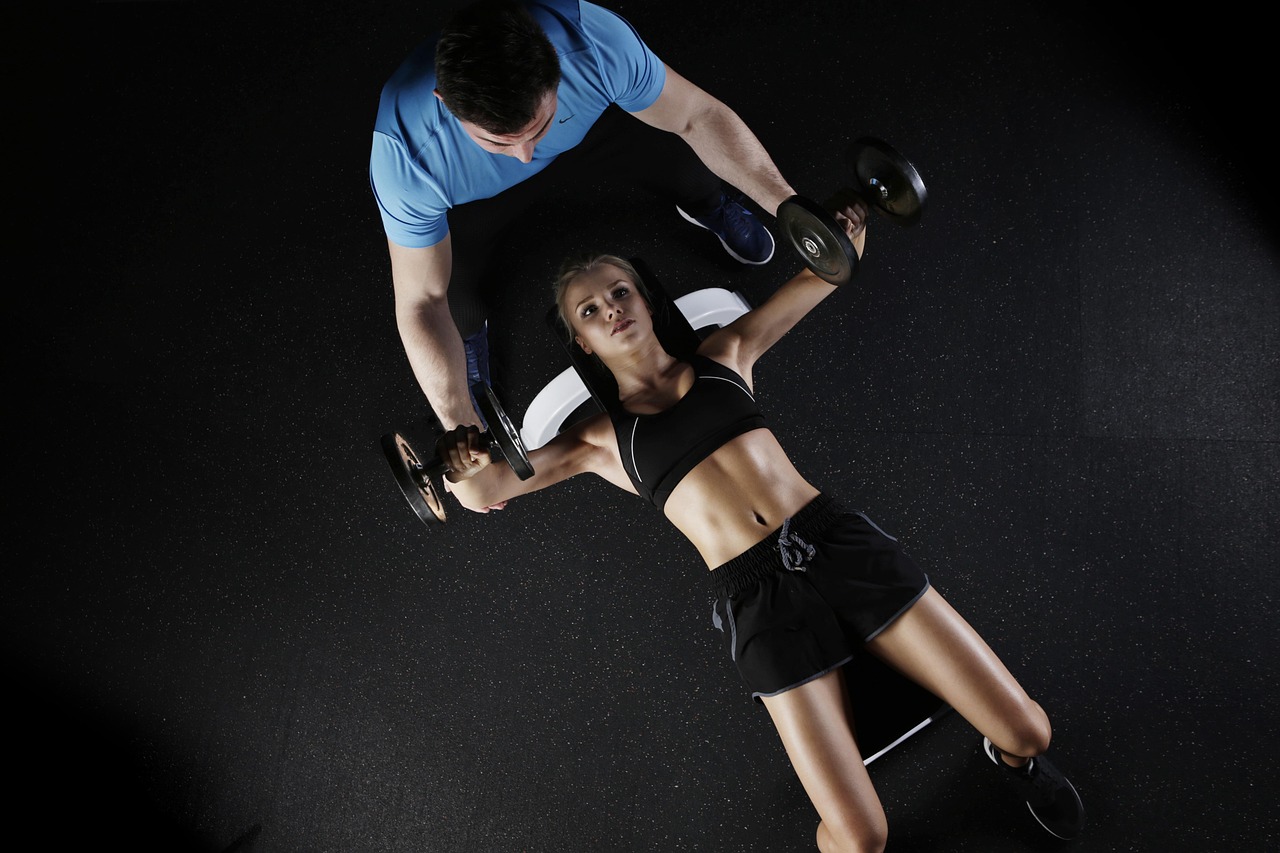
Injuries during postpartum workouts can often stem from improper technique or unrealistic expectations. That’s why it’s paramount for trainers to educate their clients on proper exercise form. A focus on biomechanics and movement patterns should be integrated into the fitness regimen. Working with a knowledgeable trainer who can demonstrate and correct form throughout all exercises is invaluable. Performing exercises incorrectly can lead to back pain, joint pain, and other complications down the road. Moreover, having trainers monitor workouts ensures women don’t push their bodies beyond safe limits, especially in the early postpartum months. Personalized modifications should be implemented for any exercises that seem problematic. Trainers can offer alternative exercises that target similar muscle groups, maintaining a safe workout intensity. They should also encourage rest days and listen to bodily cues, ensuring that the recovery process remains at the forefront of their fitness journey. Overall, an emphasis on harm prevention through proper education and encouragement can lead to a more positive postpartum fitness experience and ultimately a sustainable approach to health.
Building Long-Term Fitness Habits
Long-term fitness habits post-pregnancy can have many benefits, including improved physical health and emotional well-being. Once mothers establish a foundation with professional guidance, it’s important to maintain a consistent approach towards fitness. Trainers should assist in setting long-term goals that evolve, ensuring that workouts remain challenging and rewarding. Fostering a feeling of triumph over one’s fitness journey nurtures a positive mindset crucial for long-term adherence. Moreover, helping mothers find enjoyable activities can increase commitment levels; engagement is essential in maintaining fitness routines. Classes, outdoor activities, or even at-home workouts are great ways to mix up routines and continue progressing. Sharing experiences and achievements with fellow mothers can also inspire and motivate to maintain fitness regularly. Furthermore, ongoing professional support can provide necessary accountability, ensuring mothers remain committed to regular exercise. Lastly, fitness should be viewed as a lifelong journey rather than a one-time goal. Through regular adjustments, challenges, and encouragement, successful trainers play a vital role in shaping sustainability in postpartum fitness, leading to health benefits that last well after childbirth.
In conclusion, professional guidance in postpartum fitness is crucial for preventing injuries while effectively supporting recoveries. The value of specialized trainers in tailoring programs to individual needs cannot be overstated. Engaging with qualified trainers provides insights and motivation essential for navigating the complexities of postpartum recovery. Comprehensive education about exercise safety and recovery allows mothers to approach fitness mindfully, minimizing the risk of injury at every step. Additionally, the focus on pelvic floor recovery, mental well-being, and the establishment of sustainable habits anchors a holistic approach. As mothers embark on this essential journey toward reclaiming their health, the assurance that they’re doing so under expert guidance creates confidence in their capabilities. Utilizing the right resources, programs, and support will promote a lasting change that transcends physical fitness. Ultimately, the aim is not merely to return to pre-pregnancy levels of fitness but to embrace a healthier, more empowered life. Success in postpartum fitness encompasses physical, emotional, and lifestyle adaptations, proving that a new chapter offers numerous opportunities for wellness, strength, and resilience.