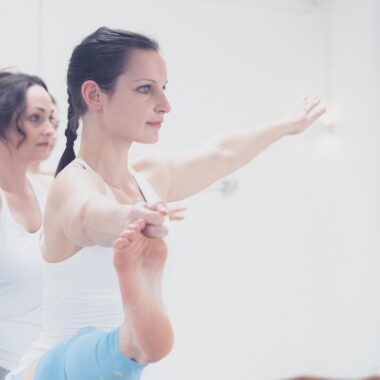

How Flexibility Training Enhances Your Workout Efficiency
Flexibility training is often the overlooked aspect of many workout routines. However, it plays a crucial role in enhancing overall performance. Lack of flexibility can lead to restrictions in movement, decreased range of motion, and heightened risk of injury. By incorporating targeted flexibility exercises, you can improve your athletic capabilities. Traditional workouts focus on strength and endurance. This often neglects the importance of being flexible. Flexibility training helps to loosen tight muscles, thereby allowing for better movement patterns. Improved mobility obtained through flexibility is essential for optimizing athletic performance. These gains help in both your training sessions and competitive endeavors. Simple stretching routines can enhance your muscle’s elasticity, making it easier to perform lifts and complex exercises. Notably, flexibility can provide an avenue for muscle recovery post-exercise. Engaging in flexibility training aids in the prevention of injuries, thus improving workout longevity. For best results, integrate it into your routine with a focus on consistency. This, in turn, will yield notable benefits in your overall fitness level. Remember, a flexible body is a working body, so embrace these training methods for optimal performance.
One of the primary benefits of flexibility training is its impact on muscle recovery. When muscles are flexible, the chances of soreness and stiffness are dramatically reduced. After intense exercise, engaging in stretching can accelerate the recovery process significantly. This is due to better blood circulation that allows for essential nutrients to replenish the muscle tissues. Enhanced blood flow hastens the healing process of any micro-tears caused during strength training or high-intensity workouts. Furthermore, flexibility exercises facilitate a more efficient removal of waste products from muscle contraction such as lactic acid. To maximize recovery, create a stretching routine specifically tailored for post-workout. Include dynamic stretches before and static stretches after workouts to reap superior results. Consistency is key; even a short daily routine can lead to long-term benefits, reducing the risk of injuries and aches. Benefits extend beyond physical recovery into improved mental well-being. Performing flexibility exercises can serve as a form of meditation, helping soothe both the mind and body. This holistic approach improves your capability to handle future workouts effectively. Incorporating these routines translates to sticky gains that secure a more efficient exercise experience overall.
Enhanced Performance Through Better Mobility
Another significant benefit of flexibility training is enhanced athletic performance. Flexibility directly correlates with improved strength and endurance. When muscles have a greater range of motion, they become more capable of producing force efficiently. This is particularly important in sports that require sudden changes in direction or explosive movements. A flexible body allows athletes to perform maneuvers more efficiently, reducing the energy expenditure needed for those actions. Additionally, improved flexibility means joints can move through their full range without straining. This helps in maximizing training outcomes, allowing athletes to push their performance boundaries further. Properly executed stretches enhance neuromuscular coordination as well, improving overall motor skills. With better flexibility, you can increase your speed and agility, vital components in most athletic endeavors. Furthermore, flexibility training increases body awareness. This awareness helps athletes maintain good form during workouts, leading to safer and more effective exercise practices. As a result, flexibility training should be a key component of every athlete’s routine. By embracing these practices, you’ll find that not only physical, but also mental performances are elevated dramatically, setting the stage for success.
The underlying science behind flexibility training reveals much about its advantages. Stretching exercises stimulate the muscles and surrounding tissues, promoting cellular repair and adaptation. This biological response underpins the improvements seen in flexibility. When muscles are actively stretched, they are taught to relax better and respond to dynamic loads during workouts. This enhanced capacity for recovery showcases a direct link to improved athletic outcomes. Moreover, flexibility allows for a more functional approach to fitness. This means that you can perform everyday movements, such as bending or reaching, with more ease and reduced risk of injury. Your body becomes better prepared for day-to-day tasks, from lifting objects to maintaining balance. This functional flexibility showcases versatility in physical fitness. As a result, flexibility training is not only vital for athletes but for anyone who wants to improve their life quality. Better mobility leads to enhanced performance, whether in sports or daily activities. To tap into these benefits, prioritize regular stretching sessions in your routine. By doing so, you create a more resilient and responsive body ready to face any challenge.
Improved Posture and Alleviated Pain
Flexibility training is also essential for improving posture. Proper alignment is critical for everyone, yet many suffer from poor postural habits. Regular stretching can counteract these issues by lengthening tight muscles. In turn, this promotes an upright posture that supports spinal alignment. Many individuals experience discomfort and pain related to muscle imbalances caused by prolonged periods of sitting or standing. By focusing on flexibility, one can alleviate these issues. Targeted flexibility routines help to loosen tight hamstrings, hip flexors, and other muscle groups that tend to tighten up. Improving flexibility contributes significantly to daily comfort levels and overall well-being. It reduces the frequency of headaches and strains associated with bad posture. Additionally, a flexible body often experiences lower back pain, which is a common ailment in today’s sedentary lifestyles. With consistent flexibility training, you enable a more aligned body, fostering greater comfort in movement. This leads to long-term benefits that enhance daily life. To strengthen this connection, include targeted stretches throughout your day. This can make a noticeable difference in improving both posture and mood, enhancing your quality of life.
Flexibility training is vital for your psychological well-being too. Engaging in consistent stretching routines helps to reduce stress and anxiety levels. This is largely due to the mind-body connection that embodies workouts and movements. Stretching allows individuals to unwind both physically and mentally. Aside from relieving physical tension, it fosters a sense of mindfulness and relaxation. These processes contribute positively to emotional health. Establishing a regular flexibility training routine can serve as an effective outlet for daily stress. As you stretch and focus on breathing, you cultivate mental clarity that is immensely beneficial. Moreover, this practice encourages discipline and perseverance, lessons applicable beyond fitness. The dedication required to improve flexibility can empower individuals in other life areas. Establishing goals for flexibility can parallel aspirations in various domains, bolstering self-confidence and motivation. Working towards improved flexibility embodies a journey of growth that transcends beyond physical realms. Incorporating relaxation techniques into flexibility training also enhances outcomes. Activities such as yoga and tai chi promote a comprehensive approach. These disciplines combine flexibility with mindfulness, reinforcing mental strength, and emotional resilience. Engage in multiple aspects of training for a holistic wellness experience.
Long-Term Health Benefits of Flexibility
Lastly, the long-term health benefits of flexibility training are profound. As we age, maintaining muscle elasticity becomes increasingly important. Regular flexibility training combats age-related decline in muscle tone and function. It is crucial for sustaining independence in performing daily activities. Families often witness how mobility can greatly impact seniors’ quality of life. By prioritizing flexibility from an early age, individuals equip themselves for healthier aging. Enhanced flexibility has also been linked to lower risk of falls, a major concern for older adults. When balance and coordination are intact, the likelihood of accidents diminishes significantly. Beyond physical health, flexibility training contributes to mental acuity as well. Research indicates that physical activity, including flexibility exercises, boosts brain health and cognitive function. Engaging in regular flexibility training provides a solid foundation for lifelong fitness. This not only benefits individual wellness but also community health, as active individuals are generally healthier. To start reaping the rewards of flexibility training, integrate it into your daily schedule. No matter your age, committing to this training ensures a path toward a more vibrant and fulfilling life. Embrace these practices and enjoy the journey of personal wellness.
Flexibility training is essential for overall fitness and health. Prior appropriations to flexibility and mobility can significantly impact workout efficiency and performance in ways that can resonate across all physical capacities. Rather than dismissing flexibility as secondary, incorporating it across all training routines builds a strong foundation that benefits every individual—athlete or recreational participant. The time you devote to flexibility training should not be minimized or overlooked. Make it an integral aspect of your fitness journey. The cumulative benefits of flexibility extend beyond personal gain, paving the path for healthier living and life longevity. Prioritize flexibility in your regimen to maximize your exercise potential. Embrace these principles to enhance fitness and enjoy sustainable results for years to come. The paradigm of flexibility reflects broader physical and mental growth, encompassing holistic wellness approaches. Each dedicated stretch you take fosters progress, resilience, and a spirit of adaptability that enriches both your workout journey and everyday life. Commit to the journey of flexibility today to ensure a healthier tomorrow. Your body will thank you for these efforts as you cultivate a more mobile, agile, and functional self. Fitness is more than just strength; it is about synergy between every element of wellness.