
Detoxifying Foods That Help Reduce Inflammation
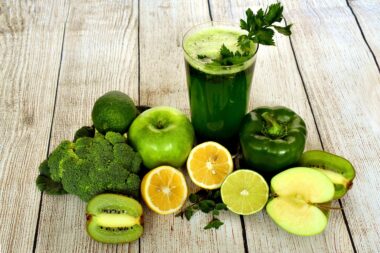
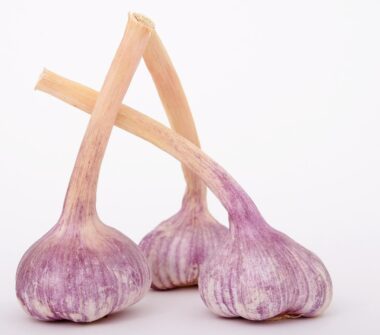
Inflammation is a common response in the body triggered by various factors, including diet. Therefore, incorporating detoxifying foods can significantly aid in reducing such inflammation, providing your body with essential nutrients. One excellent group of foods to consider is leafy greens, including kale, spinach, and Swiss chard. These greens are rich in antioxidants and can help neutralize free radicals in the body. Additionally, incorporate beets into your diet, as they contain betalains, a type of antioxidant that provides anti-inflammatory properties. Another notable mention is cruciferous vegetables like broccoli and Brussels sprouts, which support the liver during detox processes. Fruits such as berries are also beneficial; they are packed with vitamins and minerals that reduce inflammation considerably. Citrus fruits, including oranges and lemons, promote hydration and vitamin C levels, crucial for combating inflammation. Garlic should not be overlooked, as it has superb anti-inflammatory properties associated with its sulfur compounds. By making a conscious effort to include these foods in your daily meals, you can enhance your body’s natural detoxification capabilities.
In addition to the foods previously mentioned, the role of healthy fats in reducing inflammation is indispensable. Fatty fish, such as salmon and sardines, are rich in omega-3 fatty acids. Omega-3s are known for their potent anti-inflammatory effects, making these fish an excellent choice for anyone looking to detoxify. Furthermore, adding avocados into your diet provides healthy monounsaturated fats, which have been linked to decreased inflammatory responses in the body. Nuts and seeds, especially walnuts and flaxseeds, also contribute to omega-3 intake, which supports overall health. Incorporating olive oil as your primary cooking fat can also aid in reducing inflammation, thanks to its high oleic acid content. This healthy oil has been praised for its anti-inflammatory properties. Another food to consider is turmeric, which contains curcumin, a powerful compound with strong anti-inflammatory properties. Adding turmeric to recipes not only enhances flavor but also brings numerous health benefits. Combining these anti-inflammatory foods can create enjoyable, nutritious meals that help your body detoxify efficiently.
Another impressive food category worth considering is legumes, which include beans and lentils. These foods are not only high in protein but also contain ample fiber, which is vital for digestive health and aids in detoxification. Regular consumption of legumes has been linked to lower levels of inflammation and improved heart health. For those who enjoy flavor, incorporating spices such as ginger can provide significant health benefits. Ginger is renowned for its anti-inflammatory properties, serving as an ideal addition to various dishes or beverages. Additionally, a range of herbs, particularly those with rich aromatic compounds, can enhance anti-inflammatory benefits. Rosemary and oregano are two such herbs, both packed with antioxidants that can help combat inflammation. Utilizing them in meals can showcase great flavor while fortifying your diet. Don’t forget to maintain hydration through adequate water intake, as proper hydration assists in flushing toxins from the body. Including detoxifying foods in your diet alongside sufficient hydration is essential to enhancing your body’s regenerative capabilities.
Importance of Whole Foods
In the realm of detoxification, focusing on whole foods is paramount. Whole foods refer to unprocessed and minimally processed ingredients, retaining their natural state. Including whole grains such as quinoa, brown rice, and oats provides essential nutrients that help regulate blood sugar levels while promoting a healthy gut. Whole grains are alive with fiber and minerals, contributing to the overall detoxification process in the body. By contrast, processed foods often contain additives and preservatives detrimental to health and can contribute to inflammation. Incorporating nuts, such as almonds and cashews, enhances your diet’s nutrient density while providing healthy fats. Additionally, fermented foods like yogurt, kefir, and sauerkraut are crucial. They contain probiotics beneficial for gut health, which in turn plays a significant role in reducing inflammation. Ensuring a balanced intake of whole foods will not only aid in detox but also contribute to overall well-being. The journey toward improved health starts with mindful eating and selecting wholesome options that support your body’s natural processes.
Adequate hydration plays a crucial role in supporting the detoxification process. Drinking sufficient water helps facilitate the body’s ability to eliminate toxins, reducing inflammation significantly. Herbal teas, particularly those containing ingredients like peppermint or chamomile, can also be beneficial. These teas possess natural anti-inflammatory properties while providing additional hydration and comfort. Furthermore, green tea rich in antioxidants offers robust anti-inflammatory benefits as well. Consuming herbal and green teas regularly can improve metabolic functions and provide soothing effects. Incorporating soursop and dandelion tea into your routine often yields exciting health benefits too. Fresh vegetable juices made from beets, carrots, and celery can also serve as powerful detoxifying agents, enhancing hydration and nutrient intake. These juices are rich in vitamins and minerals, bolstering the body’s natural defenses against inflammation. Maintaining proper hydration ensures that organs responsible for detoxification function optimally. Therefore, drinking enough fluids throughout the day should be prioritized alongside eating detoxicating foods to truly reap the benefits. Achieving good health relies on consistently integrating hydration with nutrition.
Importance of Lifestyle Choices
Awareness of our lifestyle choices significantly impacts inflammation and detoxification. Stress management and adequate sleep are vital components affecting overall well-being. High-stress levels can lead to increased inflammation in the body. Engaging in mindfulness practices such as meditation, yoga, or deep breathing exercises helps combat stress effectively. Moreover, prioritizing sufficient sleep is pivotal, as this is when the body undergoes most of its repair processes. Inadequate sleep can exacerbate inflammation, leading to adverse health effects. Physical activity cannot be overlooked; regular exercise helps maintain a healthy weight and improves circulation. Increased circulation aids in delivering essential nutrients and removing waste products more effectively. Finding time for physical activities you enjoy will help you remain consistent in exercising. Additionally, avoiding smoking and excessive alcohol intake is essential for reducing inflammation. These habits contribute to toxicity within the body. Instead, embrace healthy lifestyle choices alongside nutrient-dense foods for optimal health. Paying attention to the intricacies of your lifestyle can promote better detoxification and inflammation reduction, contributing to overall health and wellness.
To summarize, placing emphasis on detoxifying foods that aid in reducing inflammation is critical for overall health. Leafy greens, cruciferous vegetables, and a variety of fruits are excellent foundations for an anti-inflammatory diet. Healthy fats from sources like fatty fish, nuts, seeds, and olive oil should be integrated into daily meals. Moreover, boosting digestive health with legumes, whole grains, and fermented foods promotes optimal detoxification. Staying well-hydrated through water and herbal teas supports beneficial bodily functions as well. Coupling these dietary choices with mindful lifestyle practices enhances your efforts to reduce inflammation even more. Regular exercise, stress management, and sufficient sleep promote holistic well-being. By adopting these principles, you create a nurturing environment for healing and renewal. The journey to detoxification and inflammation reduction does not end with diet alone; combining these approaches fosters long-lasting health benefits. Implementing these practices consistently bolsters your immune system and enhances your resilience against diseases. Ultimately, a well-rounded approach to nutrition and lifestyle leads to a healthier, happier life. Make conscious choices today for a more vibrant tomorrow.
Incorporating a variety of detoxifying foods into your diet is essential for combating inflammation effectively. Emphasizing fresh, whole foods over processed options allows your body to function optimally. These nutrient-dense foods support your body’s natural detoxification pathways, reducing inflammation and promoting health. Start by adding leafy greens, colorful fruits, healthy fats, and legumes to your meals. Each food group offers unique benefits that contribute to overall wellness. By consciously choosing anti-inflammatory foods, you are investing in your health and well-being. Consider exploring recipes and cooking methods that highlight these ingredients. Enjoy the process of nourishing your body with vibrant, healthful options. Remember, this journey toward better health is about balance and sustainability. Make gradual changes to ensure these detoxifying foods become a permanent part of your life. Your body will express gratitude as it responds positively to these nourishing choices. Take the first step toward crafting delicious meals filled with detoxifying ingredients. Collaborating with a nutritionist can also provide personalized guidance tailored to your dietary preferences and health goals. Enjoy each bite as you embrace the benefits of life-enhancing foods.