
Cleats and Cycling Shoes: Understanding Compatibility and Installation
Cycling shoes are essential gear for cyclists who want to maximize their performance. One critical aspect that cyclists need to consider is compatibility between the shoes and cleats. Cleats attach to the cycling shoes and connect to the pedal system, ensuring maximum energy transfer. Various types of cleats align with specific shoe features, which can influence your cycling experience. Choosing the suitable combination can significantly affect your efficiency, comfort, and overall cycling enjoyment. When selecting cycling shoes, it’s crucial to consider the design and make. The best cycling shoes provide optimal fit, support, and breathability. Options for road and mountain biking vary significantly, emphasizing how important it is to assess your cycling needs before purchasing. Furthermore, properly installing cleats is vital for comfort and performance. An incorrect cleat position can lead to discomfort or injury during rides. Therefore, always refer to the manufacturer’s guidelines and consult with experienced cyclists if unsure about installation. In essence, understanding cycling shoe compatibility with cleats can elevate your riding experience and prevent common issues.
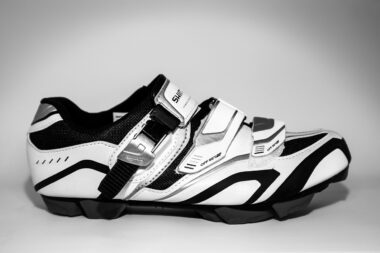
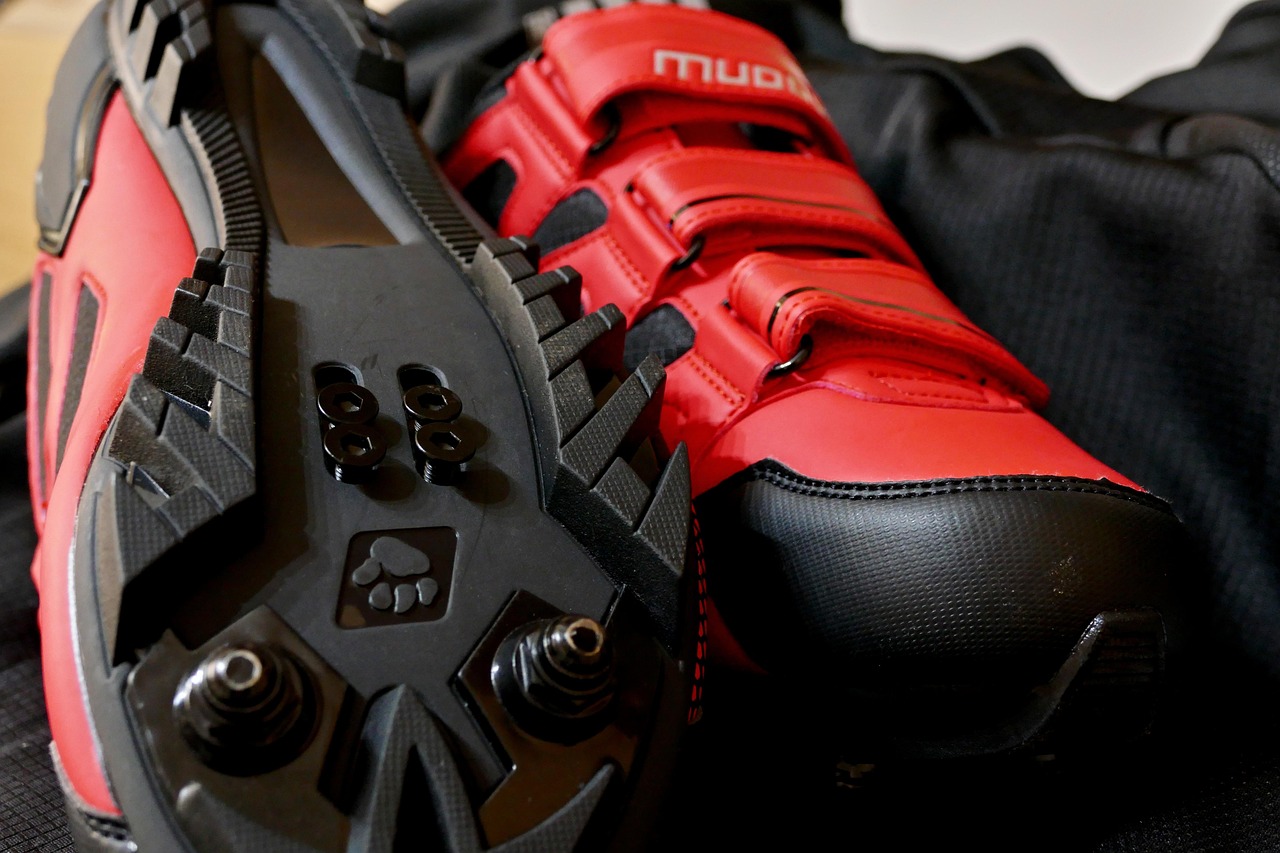
This leads into a deeper exploration of how different cycling shoe styles align with different cleat systems. Road cycling shoes generally work with three-bolt cleat systems, whereas mountain bike shoes often use two-bolt variants. The distinction matters because of the pedal compatibility and performance each style offers. When selecting your cycling shoes, ensure that you are aware of the cleat model you prefer, as this can save time and frustration down the road. Also, remember that the materials used in the construction of cycling shoes can impact weight and breathability. Shoes made from lightweight synthetic materials often lead to a more enjoyable ride, especially during long distances. Another critical factor to consider is shoe stiffness; stiffer shoes typically provide better power transfer. However, too rigid a design might not offer sufficient flexibility for comfort. As each cyclist has different requirements, identifying the balance between rigidity and comfort is vital. Take the time to try multiple models when shopping for cycling shoes and test how they feel on your feet while standing and pedaling.
The Importance of Cleat Positioning
When focusing on cycling shoes and cleats, understanding the implications of cleat positioning is crucial. Proper cleat alignment can enhance your performance and prevent injuries. It’s vital to ensure that the cleat’s position allows for the best alignment of your knees and feet while pedaling. Misalignment can lead to discomfort or even long-term injuries, notably in the knees, hips, or ankles. To achieve the ideal positioning, it’s recommended to get a professional bike fitting. Professionals analyze your cycling dynamics and provide tailored advice for where cleats should be placed on your shoes. Often, adjustments might only require slight movements, which can drastically improve your experience. After you install the cleats, test their positioning. Pedal for a short distance to see how your feet and knees feel. If discomfort arises, you may need to readjust the cleats. Take note of your body’s signals as they can guide you toward optimal placement. Comfort translates into better riding performance, leading to improved stamina on those long cycling adventures.
Cleaning and maintaining your cycling shoes and cleats is an ongoing task that significantly impacts their lifespan. Regularly inspect your shoes for any wear and tear, and clean them properly to remove dirt, grime, or mud that can accumulate during rides. Use a soft brush or cloth and mild soap, being careful not to saturate the fabric. For the cleats, check for any signs of loosening or wear. Replacing worn-out cleats is essential for maintaining the best connection with your pedals. A worn cleat can slip, leading to lost power and potential falls. Always carry spare cleats for long rides, as unexpected wear can happen. Additionally, consider the materials in your shoes when choosing cleaning products. For example, leather cycling shoes require special care treatments to prevent cracking, while synthetic fabrics may be more durable. Additionally, proper drying methods are crucial; avoid exposing shoes to direct heat, which can warp the structure. Keeping your shoes and cleats in good condition will ultimately lead to more enjoyable cycling experiences and better long-term performance.
Choosing the Right Cleats for Your Shoes
The choice of cleats heavily relies on the type of cycling you intend to do. For road cycling, multi-release cleats are popular, allowing for easy disengagement, which is vital for speeding up your transitions during a ride. Mountain biking, however, often utilizes two-bolt cleats that offer better compatibility with off-road shoes and the ability to walk comfortably. Thus, understanding your cycling goals informs your cleat selection. Before making a purchase, always check the compatibility of your cycling shoes with available cleats. Research the materials and brands best suited for your style of cycling. Research can save time and ensure you’re investing in high-quality components that enhance your cycling capabilities. Many bike shops or cycling forums provide insights on the best cleats to pair with specific shoes. Creating a balance between performance and convenience during rides is achieved by selecting the right cleats. Ultimately, investing time in researching helps you make informed choices that elevate your cycling sessions.
Aspects to consider about cycling cleat installation shouldn’t merely focus on compatibility with shoes. To optimize performance, ensure you’re selecting the right tools for installation. Each cleat typically comes with its specific screws and washers; using them is critical for securing the cleat correctly. Before securing, it’s beneficial to set the cleats in a slightly loose configuration first. This allows for adjustment of the cleat during initial rides, ensuring comfort and compatibility. After your test rides, take time to tighten screws thoroughly, following the manufacturer’s recommendations. Ensuring a secure fit is crucial as loose cleats can lead to accidents or discomfort while riding. Additionally, keep track of how tight your cleats are to prevent over-tightening, which might damage your shoes or the cleat itself. Frequent checks on your cleat positions and the integrity of the installation serve as essential maintenance for cyclists. Over time, this attention to detail ensures that you enjoy safer, more efficient rides across various terrains.
Conclusion: The Perfect Match
In conclusion, achieving compatibility between cycling shoes and cleats is fundamental for both performance and safety. Understanding the nuances of cleat styles and their appropriate installation is essential not only for immediate comfort but also long-term cycling enjoyment. The interplay between shoe stiffness, cleat position, and your specific cycling style plays a pivotal role in enhancing your overall riding experience. Make informed decisions based on your cycling goals, preferences, and physical requirements. Don’t hesitate to seek professional help for fitting and adjustments, as well as for guidance on maintenance, cleaning, and choosing the right equipment. Cycling is a rewarding activity that benefits greatly from careful preparation. By investing time in ensuring your gear fits correctly, including the synergy between your shoes and cleats, you set yourself up for numerous enjoyable rides. Keep learning about new technologies and techniques to improve your cycling gear further. Stay updated with new advancements in cycling shoes, cleats, and pedal systems, as they can significantly elevate your cycling pursuits.
With a well-suited combination of cycling shoes and cleats, you’re perfectly poised to explore new terrains and achieve personal cycling milestones. Take charge of your cycling journey; it will pay dividends in performance and enjoyment every time you ride.