
Best Protein Powders for Muscle Growth and Recovery
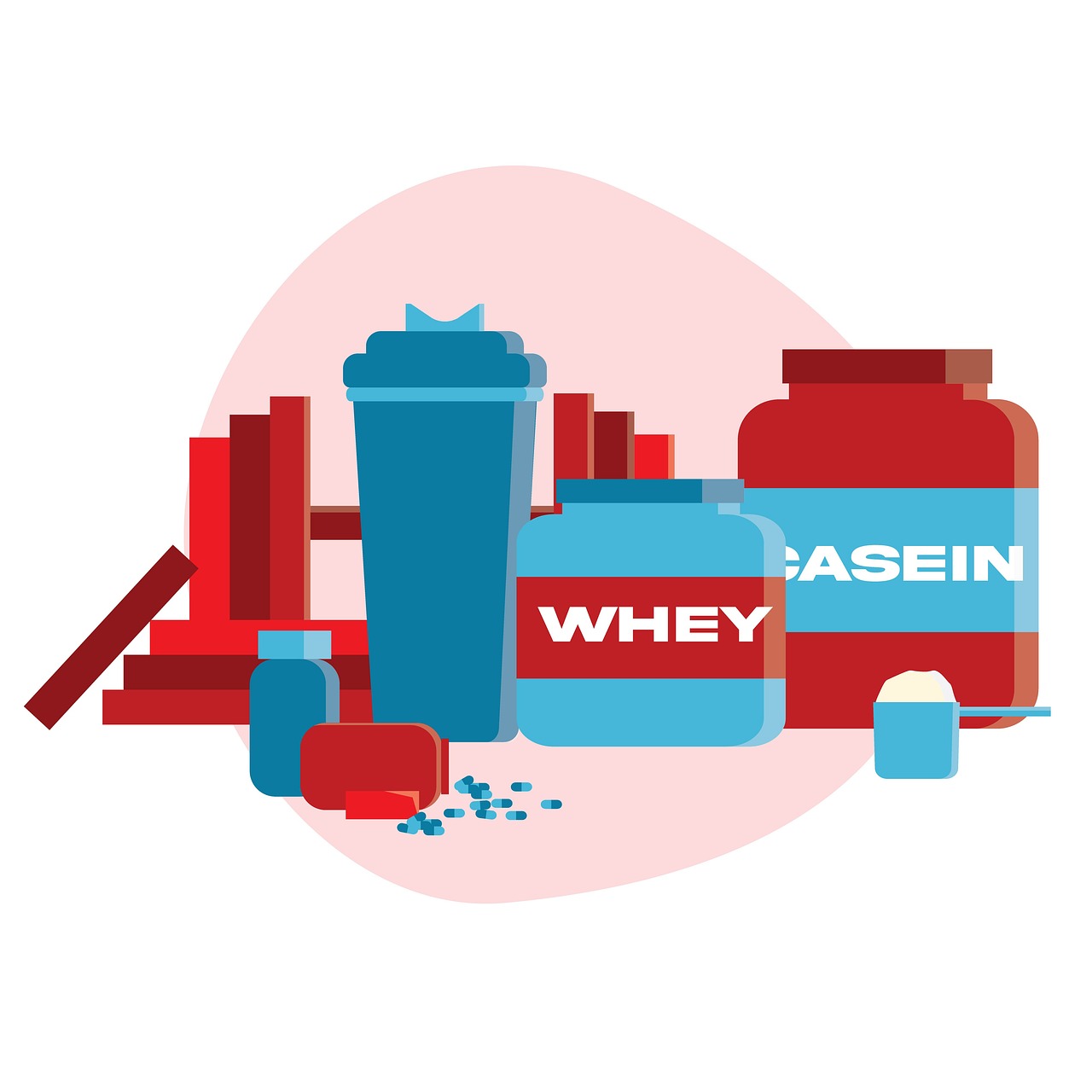
Protein powders have become essential for athletes and fitness enthusiasts looking to enhance muscle growth and recovery. They provide a convenient way to increase daily protein intake, which is crucial for muscle repair and development. The market is flooded with options, making it essential to choose one that suits your needs. When selecting a protein powder, athletes should consider various factors such as amino acid profile, taste, mixability, and digestibility. Each type of protein powder, from whey to plant-based options, offers unique benefits. Ideally, your protein powder should complement your workout routine and align with your overall health goals. For example, whey protein is often favored post-workout because of its quick absorption rate. On the other hand, casein protein is slower to digest, making it suitable for nighttime muscle recovery. If you’re vegan or lactose intolerant, plant-based proteins like pea or brown rice can provide excellent alternatives without sacrificing nutritional value. Keep in mind that a balanced diet should accompany any supplement for optimal results.
Top Protein Powder Types
Understanding the different types of protein powders available can significantly impact your selection process. Each protein supplement has unique characteristics, benefits, and potential drawbacks. Whey protein, derived from milk, is one of the most popular choices due to its complete amino acid profile and rapid absorption. This makes it ideal for post-workout recovery. For those who prefer a non-dairy option, brown rice protein provides a suitable alternative that is also easily digestible. Egg white protein is another excellent choice, offering high-quality protein with minimal carbs and fats. Casein protein is slower to digest, ideal for overnight muscle recovery, but has a similar source as whey. For vegans, plant-based protein options, such as hemp, soy, or pea protein, can be combined for a complete amino acid profile. It’s essential to choose a protein powder that aligns with your dietary restrictions and preferences. Taking time to research each option will help ensure you select a product that will not only support your muscle growth but also fit seamlessly into your daily routine.
When selecting a protein powder, it’s essential to evaluate its amino acid profile. Branch Chain Amino Acids (BCAAs)—such as leucine, isoleucine, and valine—are crucial for muscle growth and repair, so consider protein powders rich in these essential amino acids. A well-balanced amino acid profile will enhance muscle synthesis and improve recovery times. Furthermore, high-quality protein powders should contain minimal fillers, additives, and sugars; many include naturally occurring sweeteners or flavoring agents to enhance taste without compromising health. Always store your powdered supplements in a cool, dry place to preserve freshness and potency. Reading reviews and seeking recommendations from trusted sources can provide further insights into which powders are best suited for your needs. Additionally, consult with a healthcare or nutrition professional to personalize your protein intake goals based on your specific requirements. Understanding these nuances can lead you to make informed choices that will, ultimately, benefit your fitness journey. Strive to maintain a diet rich in whole foods alongside your protein supplementation to reap maximum benefits.
Flavors and Formulations
The flavor and formulation of your protein powder can greatly influence your experience and adherence to supplementation. Most brands offer a variety of flavors ranging from standard chocolate and vanilla to unique flavors such as coconut or cake batter. A good taste profile can make daily consumption more enjoyable, while poor taste can lead to aversion. Additionally, how well a protein powder mixes in liquids is a key consideration for users. Some powders clump or don’t blend well, making them less appealing to use. One tip is to experiment with different formulations; some individuals prefer protein powder mixes that combine additional nutrients such as creatine, glutamine, or even greens for enhanced benefits. Some formulations are geared toward building lean muscle, while others focus on weight management. Ingredients such as probiotics and digestive enzymes can improve gut health, enhancing nutrient absorption. Assess your personal fitness goals and lifestyle factors when selecting flavor options and specific formulations that boost your overall health and performance. Finding the right balance can lead to increased satisfaction and results.
Price is an important factor in protein powder selection. Higher price points often correlate with better quality ingredients, but this isn’t always the case. It’s crucial to review the ingredient list to identify the source and quality of the protein. Some protein powders use lower-quality sources or have fillers that may dilute their effectiveness. On the other hand, premium brands might offer extensive testing for impurities and provide transparency on their sourcing practices. Shopping within your budget is essential, but consider the long-term benefits of investing in a quality product. Bulk purchasing options may also provide substantial savings over time. Online retailers often offer discounts or subscription models that can make high-quality supplements more accessible. Reviews and user testimonials can provide additional perspectives on affordability versus quality. Ensure you’re comparing options that are truly comparable in terms of serving size and protein content per scoop. Ultimately, the best protein powder combines quality ingredients with a price that aligns with your budget and wellness goals.
Integrating Protein Powders into Your Routine
Integrating protein powders into your daily routine can enhance your muscle recovery and growth effectively. A common approach athletes use is consuming protein shakes post-workout for optimal recovery. The timing matters; when your body is most receptive to nutrients, usually within 30 minutes to two hours after workouts, it’s crucial to get protein in. Mixing your protein powder with water, milk, or plant-based alternatives is a quick way to hydrate and nourish your muscles after exercise. Alternatively, you can create protein-rich smoothies by blending fruits, vegetables, and a scoop of protein powder for a nutritious meal replacement or snack. Be mindful of portion sizes; exceeding protein needs can strain your kidneys and lead to adverse health effects. Additionally, using protein powder in cooking or baking can fortify meals; try adding it to oatmeal, pancakes, or snacks. This creative approach allows for increased protein intake without relying solely on shakes, thus adding variety to your diet while supporting your health objectives.
Monitoring your body’s response to protein supplementation is vital for optimizing muscle growth and recovery. Keeping a journal that tracks your workout performance, recuperation times, and overall energy levels can provide valuable insights. By evaluating these factors, you can adjust protein intake, daily routines, and even workout styles. It’s important to understand that individual responses may vary; genetic factors, activity levels, and overall diet can play a prominent role in how your body utilizes protein. If you notice decreases in energy or performance despite sufficient protein intake, consider analyzing other aspects of your diet or workout regimen. Staying hydrated, consuming a balanced diet, and ensuring your lifestyle allows adequate recovery time will all contribute to optimal results. Additionally, remember that a protein powder is a supplement to a sound nutrition plan, not a replacement for whole foods. Striving for a versatile intake via real food sources alongside protein supplementation will aid better health outcomes, enhancing not just muscle growth but overall wellness.
Conclusion
Ultimately, selecting the best protein powder for muscle growth and recovery boils down to understanding your individual needs, preferences, and fitness goals. Evaluate the type, flavor, formulation, and price-point of each protein option. The right powder should align with your dietary restrictions while enhancing overall performance and recovery. Always aim for high-quality products with transparent ingredient sourcing to maximize benefits. Integrate your chosen protein supplement into varied recipes and shakes for optimal satisfaction and nutrition. Your response to protein needs will differ based on various factors, emphasizing the importance of monitoring and adjusting your intake accordingly. Combining your protein supplementation wisely with a balanced diet, proper hydration, and effective recovery strategies will lead you to desirable fitness outcomes. Remember, the journey to improved muscle growth and recovery is holistic; it encompasses training intensity, nutritional adequacy, and mental well-being. By paying attention to every aspect of your fitness routine, including protein intake, you can significantly enhance results and achieve your health aspirations.