
Underwater Photography Tips for Amazing Swimming Pictures
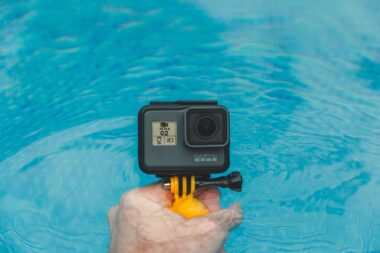
Underwater photography can create stunning images that capture the essence of swimming. To achieve those breathtaking shots, consider investing in a quality underwater camera. These cameras are specifically designed to function well beneath the surface. Choose a model that offers manual control over settings like ISO, shutter speed, and aperture for optimal results. Additionally, using a dome port or underwater housing will enhance image quality by reducing distortion. Familiarize yourself with your equipment before hitting the water, as this knowledge will allow you to focus on composition rather than gear adjustments while swimming. Keep an eye on battery life and memory card space too, as water conditions can lead to unexpected changes when taking pictures. Planning your shoot during calm weather can help capture clear, serene images without disruption. Researching locations and tides can lead to better visibility and lighting conditions. Lastly, be patient and stay relaxed while shooting; underwater photography often requires waiting for the perfect moment to capture that incredible shot, whether it’s a swimmer’s graceful stroke or underwater fish surrounding the scene.
Lighting plays a crucial role in the success of underwater photography. The deeper you dive, the more the colors of your images will change. Water absorbs light, especially reds and oranges, making it essential to understand how to counteract this effect. Swim at a shallow depth when possible to maximize natural light, especially during sunny days. Alternatively, consider using artificial lighting, like underwater strobes, to illuminate your subjects without introducing unwanted shadows. Strobes can enhance colors and provide greater detail in your photos. However, be cautious not to overexpose your shots; practice adjusting strobe intensity based on your environment. Using natural reflectors, such as white sand or light-colored surfaces, can also improve the lighting in your images. Lastly, understanding the direction and angle of light can help you create more dynamic shots, ensuring that the light hits your subject in an appealing way. Experimenting with backlighting techniques can provide unique and artistic perspectives, adding depth to your photographs. Overall, mastering lighting will ultimately boost the quality of swimming pictures and showcase the beauty of the underwater world.
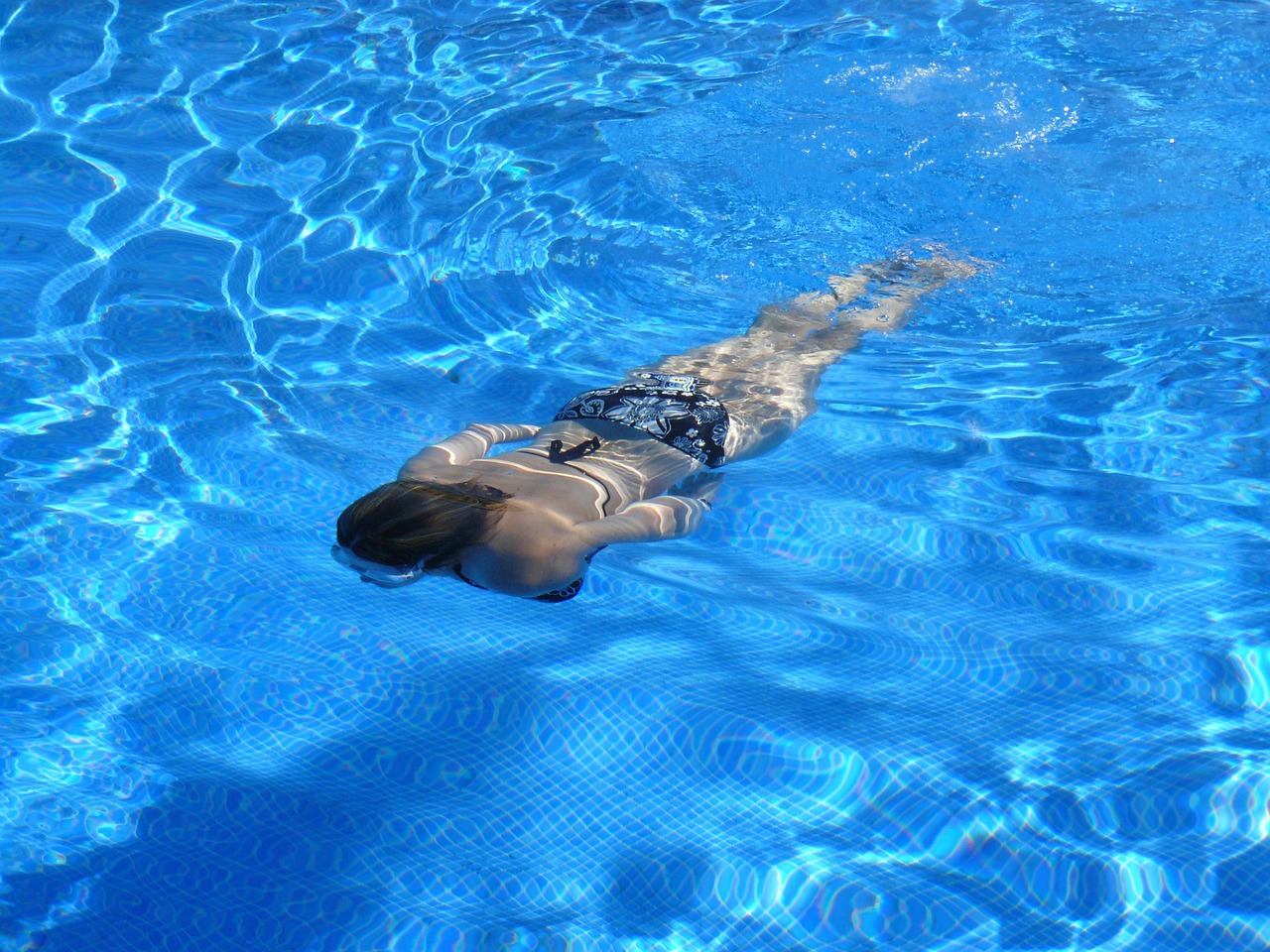
Composition in underwater photography is essential for creating emotionally impactful images. One effective approach is to apply the rule of thirds, which suggests dividing your frame into nine equal sections using two vertical and two horizontal lines. Positioning important elements at the intersections or along the gridlines will draw the viewer’s eye to your focal point. Additionally, diversifying your angles can lead to more interesting compositions; experiment with shooting from above the swimmers or even at their level underwater. Use leading lines, such as the curves of waves or swimmers’ trails, to guide the viewer’s gaze through the photograph. In contrast, consider utilizing negative space to isolate your subject, making it stand out more prominently. Another powerful tactic is to incorporate reflections and shadows in your shots; they can add depth and dimension to images. Don’t forget about the background; ensure it doesn’t distract from the main subject. A clean, uncluttered background will allow the viewer to focus on the swimmer and their movements. Mastering composition will elevate your underwater photography skills and create stunning swimming pictures that stand out.
Understanding Your Subject
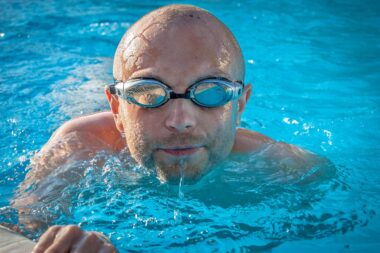
When photographing swimming subjects, understanding their movements is key to capturing stunning images. Observe swimmers, paying attention to their strokes, breathing patterns, and body positions. This knowledge will help you anticipate their movements when you take photos, allowing you to be in the right position at the right moment. Start by practicing with a few friends or family members who swim regularly; this will provide you with valuable experience. Focus on capturing the beauty of their strokes as they glide through the water. Additionally, remember to show emotion in your images by documenting expressions on the swimmer’s face during intense moments or joyful splashes. Incorporating a wide variety of emotions will add a storytelling aspect to your photography that resonates with viewers. Pay attention to details, such as the water’s surface and bubbles around the swimmer; these moments create immersive images. Lastly, keep your interaction light while swimming to maintain a relaxed atmosphere, as tension may detract from the natural beauty you are trying to capture. Understanding your subject’s nuances will ultimately lead to more compelling underwater swimming photographs.
Editing plays a significant role in enhancing underwater photography after the initial shots have been taken. Tools like Adobe Lightroom or Photoshop can help you adjust colors, contrast, and sharpness to create the most striking images. One common issue is color correction due to underwater lighting and color absorption; using filters can help restore balance to those hues. Adjust white balance settings within your editing software to ensure your images convey the appropriate colors. Don’t hesitate to play with exposure settings to highlight certain aspects of your photograph. Cropping your images can also improve composition; removing distractions on the edges of the frame will help the viewer focus on your subject. Consider applying subtle filters or vignette effects to create a unique atmosphere that enhances the feelings captured in the image. Don’t forget to maintain the authenticity of your shots; over-editing can alter the beauty of a swimming moment. Lastly, share and showcase your edited images on social media or photography websites, which can lead to invaluable feedback and inspire future work. Mastering editing will transform amazing swimming pictures into breathtaking photographs worthy of display.
Gear Maintenance and Care
Proper maintenance and care of your underwater photography gear are vital to ensure its longevity and optimal performance. After every swim session, immediately rinse your camera and equipment with fresh water to remove chlorine, salt, or sand, which can cause corrosion. Ensure that all compartments, including battery and memory card slots, remain clean and free from debris that could affect functionality. Pay special attention to seals and o-rings in your underwater housing; these components are crucial for keeping moisture out. Regularly inspect them for cracks or wear, as a compromised seal could lead to water damage. Store your gear in a cool, dry place when not in use, preferably in a padded bag or case to prevent physical damage. Familiarize yourself with the manufacturer’s guidelines for cleaning and storing your equipment; following their recommendations will extend the lifespan of your gear. Additionally, consider investing in protective filters or lens covers to safeguard against scratches. Prioritizing gear maintenance will ensure that you capture incredible swimming pictures every time you dive into your underwater photography adventures.
Community and networking play a crucial role in the growth and improvement of your underwater photography skills. Engaging with fellow photography enthusiasts can provide valuable insights and feedback on your work. Social media platforms, such as Instagram and Facebook, have groups dedicated to underwater photography, where members often share tips and inspiring images. Participating in discussions and sharing challenges can foster a supportive environment that encourages growth. Workshops and classes can also be beneficial, allowing you to learn from seasoned professionals who can offer expert guidance and critique. Many organizations host underwater photography contests, which provide excellent opportunities to showcase your work and gain exposure within the community. Attending local events or exhibits can also lead to connections with individuals who share your passion for underwater photography. Collaboration with other photographers can strengthen your skills as you explore different perspectives and techniques. Ultimately, immersing yourself in the photography community will inspire you, motivate you, and push you to improve your underwater photography skills, leading to even more captivating swimming pictures.
Final Thoughts on Underwater Photography
Mastering underwater photography takes time, practice, and dedication, but the results are truly rewarding. With the right gear, a focus on technique, and an understanding of your subjects, you can capture amazing swimming pictures that reflect the beauty of the underwater world. Always remember to prioritize safety while photographing; be mindful of your surroundings and avoid disrupting marine life. Approach your swims with patience and curiosity, understanding that every shot is an opportunity to tell a story. Continually seek education and practice through resources such as books, online tutorials, and peer learning. Encourage feedback from peers to help you refine your craft. Experiment with new styles and techniques to develop your unique artistic voice. Keep returning to the basics, as even minor adjustments can lead to significant improvements in your work. Lastly, share your journey with others, inspiring fellow photographers who wish to explore underwater photography. With persistence and passion, you’ll not only enhance your skills but create stunning swimming images that leave a lasting impact. Take the plunge and enjoy the adventure of underwater photography.