
Understanding Sodium and Potassium in Pre-Workout Nutrition
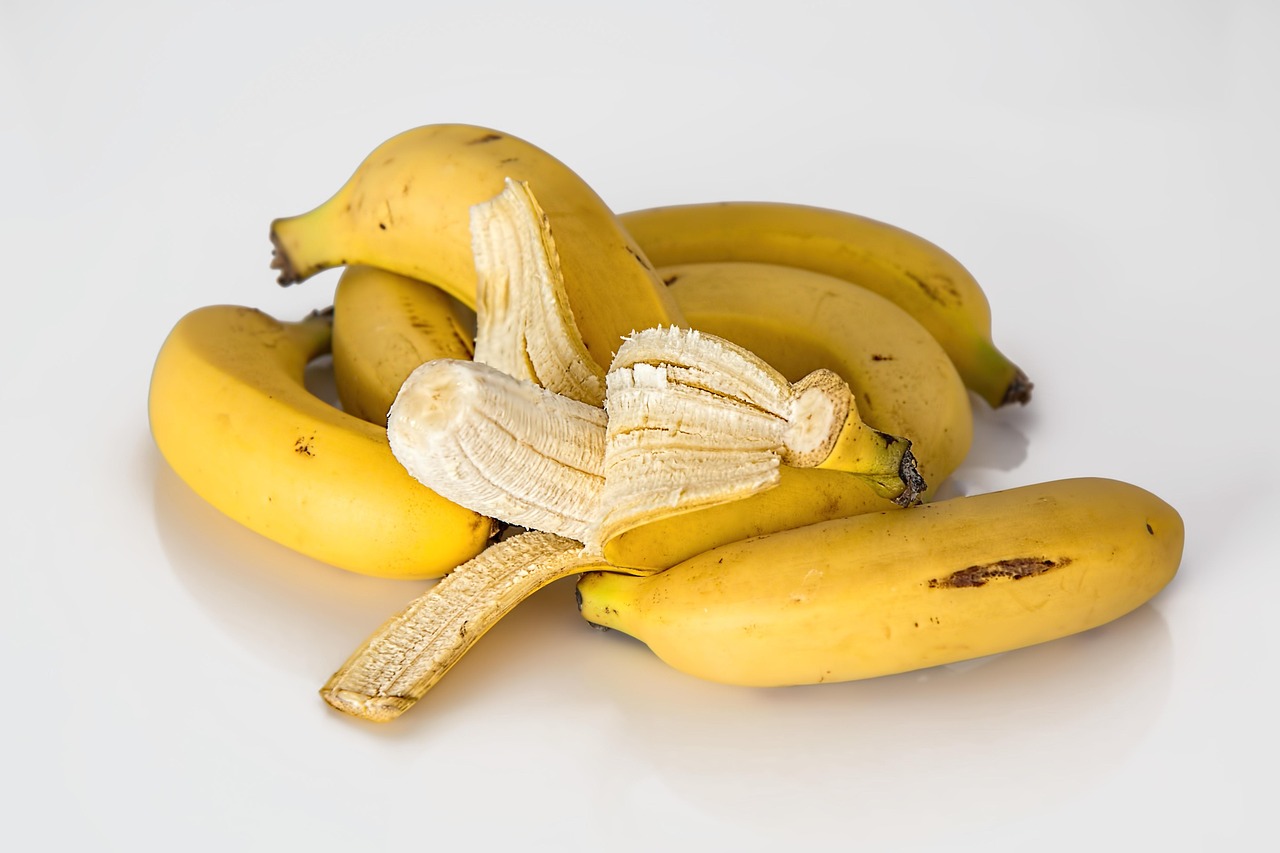
Electrolytes play a significant role in pre-workout nutrition, particularly sodium and potassium. These two elements are essential for maintaining fluid balance, supporting muscle function, and regulating nerve impulses during exercise. Sodium helps to retain water in the body, which can prevent dehydration, while potassium is crucial for muscle contraction and maintaining cardiovascular health. Many athletes overlook these vital nutrients in their diet, focusing solely on macronutrients like proteins and carbohydrates. It is essential to recognize that electrolytes are equally important for optimal performance and hydration. Low sodium levels can lead to fatigue and decreased performance, while a deficiency in potassium can cause muscle cramps and weakness. Consuming adequate amounts of these electrolytes is a strategic way to enhance workout performance. Many pre-workout supplements contain added electrolytes for this purpose, often labeled as hydration formulas. Adding foods rich in sodium and potassium, such as bananas, potatoes, and kale, can also support your pre-workout nutrition significantly. Balancing these electrolytes will not only improve your overall workout regimen but also contribute to sustained energy levels throughout your training sessions.
Understanding the effects of sodium on pre-workout hydration is crucial for athletes. Sodium, an essential electrolyte, assists in osmotic balance and fluid retention. When exercising, particularly during high-intensity workouts, the body loses sodium through sweat. This loss can lead to a drop in performance if not adequately replaced. Supplementing sodium can help maintain energy levels and improve endurance during prolonged workouts. Foods like pickles, salted nuts, or specialized electrolyte drinks are excellent sources. It’s essential to note that overconsumption of sodium may lead to health issues, so the balance is vital. A moderate intake before workouts can boost hydration and performance. Moreover, sodium works synergistically with potassium, another key electrolyte essential for muscle function and cardiovascular stability. Together, they enable optimal muscle contractions and nerve function. Ignoring sodium can lead to hyponatremia, which disrupts many physiological processes. Athletes need to pay close attention to their sodium intake, particularly if training or competing in hot conditions. In combination with adequate hydration strategies, sodium can significantly influence workout outcomes and improve overall athletic performance.
The Role of Potassium in Exercise
Potassium emerges as a vital electrolyte in exercise, influencing muscle contraction and preventing cramping. When workouts intensify, the body’s potassium levels can drop as it gets lost through sweat. Thus, maintaining adequate potassium is essential for athletes to ensure their bodies function optimally during intense physical activities. Adequate potassium supports cardiovascular health, regulating blood pressure and ensuring efficient heart function during workouts. Foods high in potassium, such as bananas, oranges, and sweet potatoes should be incorporated into your pre-workout nutrition strategy. Many athletes opt for sports drinks that contain potassium to replenish these losses effectively. The balance between sodium and potassium is crucial since they work together to maintain fluid balance and nerve function. Misbalance can result in muscle weakness and cramping, detracting from the training experience. Research indicates that diets rich in potassium can also aid in recovery post-workout, helping to reduce soreness and fatigue levels. Athletes are encouraged to monitor their potassium intake closely and adjust their diets accordingly. A well-planned intake can significantly improve athletic performance and contribute to overall well-being.
Understanding the effects of electrolyte balance on performance is crucial for all athletes. Imbalances can lead to detrimental effects on strength, coordination, and overall workout efficiency. Pre-workout supplementation or proper dietary strategies can address these imbalances. Inadequate sodium levels may inhibit the body’s ability to absorb necessary fluids, leading to dehydration. This directly compromises endurance and stamina, which are vital during any high-intensity workout. Adding potassium-rich foods and beverages can help counteract the negative effects of sodium loss due to exercise. Nutrient timing, specifically consuming electrolytes directly pre-workout, has shown promising results in enhancing performance. Many athletes now consume electrolyte-infused drinks shortly before starting their workouts. This approach ensures that the body has enough sodium and potassium to function effectively. When used correctly, electrolytes can improve blood volume, which optimizes oxygen delivery to muscles. Comprehensive hydration strategies should include consideration of both sodium and potassium to maximize performance benefits. Monitoring these electrolyte levels can enhance not only workout efficiency but also long-term athletic development.
Best Sources of Sodium and Potassium
Identifying reputable sources of sodium and potassium can dramatically elevate your pre-workout nutrition. Sodium is commonly found in table salt and processed foods, which are often elevated in sodium content. While moderation is key, strategically incorporating sodium into your diet before exercise can help maintain necessary hydration levels. Potassium-rich foods, on the other hand, include leafy greens, avocados, bananas, and legumes. Each of these foods provides essential nutrients that can support optimal muscle performance and overall health. Athletes are often advised to consume potassium-rich foods during recovery to help restore levels depleted through sweat. Furthermore, sports drinks designed for hydration can include these essential electrolytes, making them a convenient option for pre-workout intake. Intake of potassium should also not be overlooked significantly, as it plays a critical role in preventing muscle cramping. Meal prepping with a focus on these electrolyte-rich foods can simplify integration into your routine. By prioritizing these nutrients in your diet, you can enhance both hydration and workout performance effectively, ensuring greater success in training sessions.
Combining sodium and potassium sources strategically can enhance pre-workout nutrition exponentially. Consuming a balanced intake of foods high in both electrolytes ensures better hydration outcomes during physical activities. Incorporating snacks, such as peanut butter on whole-grain toast with bananas, can seamlessly supply both nutrients in an easily digestible form. Pre workout supplements can also be beneficial as they often blend these electrolytes for effective absorption. Furthermore, hydrating with electrolyte-enhanced drinks before workouts not only replenishes salts lost through sweat but also helps in maintaining fluid balance during exercise. Both sodium and potassium contribute to cellular function and overall athletic performance, paving the way for an effective workout. Understanding the synergy between these two electrolytes empowers athletes to maximize their hydration strategies effectively. Replenishing electrolytes should be viewed as a vital part of the workout preparation process. Prioritize electrolyte balance before, during, and after workouts for optimal energy levels. Such dietary approaches contribute to well-rounded pre-workout nutrition that can enhance performance across different sporting disciplines.
Conclusion and Hydration Strategies
In conclusion, understanding sodium and potassium’s roles in pre-workout nutrition is essential for all athletes. These electrolytes are pivotal in regulating hydration, muscle function, and optimal performance. Awareness of how to maintain electrolyte balance through diet can significantly influence workout effectiveness. Combining sodium sources like salted snacks or electrolyte drinks with potassium-rich foods creates a solid nutritional strategy for athletes. Good hydration strategies not only support sustained energy but also enhance endurance during intense workouts. Regularly monitoring electrolyte levels and adjusting dietary habits accordingly is necessary for long-term advancement in fitness. In situations where dehydration is likely, specific strategies such as increasing salt intake or incorporating higher potassium foods should be implemented. Moreover, hydration does not stop post-workout; it is essential to continue replenishing lost electrolytes afterward. Understanding the synergy between these nutrients can create impactful pre-workout strategies tailored to individual training goals. As athletes invest in their nutrition and hydration, it provides a foundational element in achieving peak performance and maintaining health over time.
Ultimately, as the importance of pre-workout nutrition becomes clearer, sodium and potassium must not be overlooked. These electrolytes play integral roles in supporting endurance, preventing cramping, and optimizing hydration. Incorporating sources of both in meal prep lays the groundwork for improved athletic performance. A strategic approach to pre-workout nutrition will benefit athletes in all sports and fitness levels. Developing an awareness of hydration needs will encourage athletes to be proactive about their electrolyte intake. By understanding and applying these nutritional principles, athletes can set themselves up for nutritious successes during their workouts. Knowledge of how sodium and potassium work synergistically creates a beneficial impact on overall performance. Ultimately, addressing these nutritional components serves to ensure that athletes achieve their training goals effortlessly and sustainably.