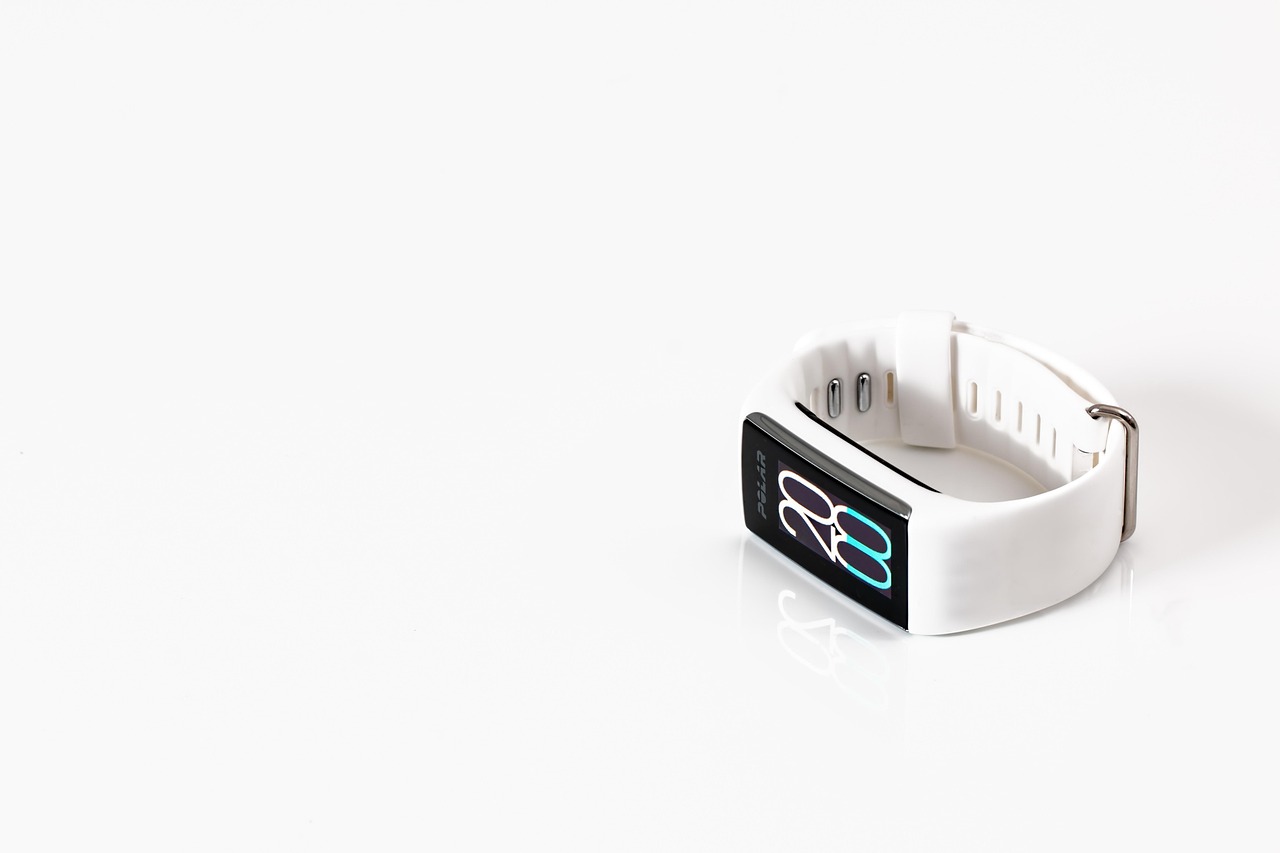

Tracking Your Mobility Progress with Smart Wearables
In today’s fast-paced world, tracking your mobility progress is essential for maintaining a healthy lifestyle. Smart wearables play a pivotal role in this journey by providing you with real-time data about your physical activities. These devices can monitor various aspects of your movements, including steps taken, distance traveled, and even patterns of mobility over time. By utilizing advanced sensors, wearables collect data on your gait and speed, which helps in assessing your overall mobility. Moreover, with features such as GPS tracking, you can examine your walking or running routes, optimizing your fitness routine based on your performance. Importantly, these smart devices often come with mobile applications that offer detailed insights, allowing you to visualize your progress. Such analyses can be instrumental in setting realistic goals and identifying areas for improvement. Overall, the integration of fitness technology enhances your ability to stay motivated and committed to your mobility goals. Selecting a wearable that suits your lifestyle may offer invaluable support as you work towards improving your flexibility and mobility.
When considering smart wearables, it’s important to explore the features most relevant to your mobility tracking needs. Some popular options include fitness trackers, smartwatches, and specialized devices for rehabilitation purposes. Each type of wearable can provide unique benefits tailored to specific needs. For example, fitness trackers focus on step-counting and heart rate monitoring, which are vital for assessing physical activity levels. In contrast, smartwatches combine fitness tracking with notifications and apps, creating a more versatile user experience. For those recovering from injury or surgery, specific rehabilitation devices offer targeted feedback on joint movement and muscle activity. This can significantly aid in recovery and rehabilitation processes. It’s essential to choose a device featuring user-friendly interfaces for easy navigation. Additionally, many wearables are compatible with various smartphone applications. This integration allows you to collect data effortlessly, track your progress over time, and share results with healthcare providers if needed. Consideration of battery life, comfort, and style also plays a crucial role in ensuring you wear the device consistently.
Leveraging Data for Improvement
Utilizing the data collected from your wearable is key to improving your mobility. Many devices come with analytics that can help you understand your movement patterns. For instance, you can analyze your daily or weekly activity levels to see if you are meeting your mobility goals. This feedback enables you to make data-driven decisions about your training or rehabilitation. If certain activities or exercises are proving ineffective, wearables can help you identify those issues. Furthermore, some smart devices allow you to set personalized goals based on your historical performance. Achieving those objectives fosters motivation and a sense of accomplishment. Regularly reviewing your mobility data also encourages consistency, as seeing tangible results can boost your commitment to fitness. Another vital aspect is comparing your progress against benchmarks, which can inspire you to push your limits further. Some wearables enable community sharing, where you can connect with friends and family for support and accountability. Keeping track of your mobility as your strength and flexibility improve can be incredibly fulfilling.
In addition to data analysis, understanding your body’s response to various activities is crucial in your mobility journey. Wearables can track not just movement, but also physiological responses such as heart rate variability and calorie expenditure. Monitoring these metrics provides insights into how your body reacts to specific exercises. This understanding can inform your decision on whether to increase intensity or modify your routine. Furthermore, wearables equipped with built-in coaching features can offer tips on improving form and technique. These suggestions can help prevent injuries, especially in demanding physical activities. It’s beneficial to have these features readily accessible during workouts for immediate feedback. The integration of artificial intelligence in some devices allows for predictive analytics, which can suggest when to take breaks or increase training volume to avoid overexertion. As you learn more about your physical capabilities, you will be more empowered to take charge of your fitness journey. This holistic approach ultimately enhances your mobility and strengthens your commitment to a healthier lifestyle.
Importance of User Engagement
User engagement is a vital component of making the most out of your smart wearable. Consistently interacting with the device and its accompanying app can motivate you to stay on track with your mobility goals. Most apps offer challenges, reminders, and achievements to encourage regular use. Engaging with these features gives you a sense of accomplishment and fosters a routine. Consider creating personal challenges or sharing progress updates with friends and family to introduce elements of accountability. Users can benefit immensely from engaging with virtual communities that focus on mobility improvement. Many apps provide forums where users share experiences, tips, and encouragement. This sense of community can invigorate your motivation much like traditional group classes or training sessions. Additionally, using the social aspects of these devices can provide you with a fresh perspective on mobility challenges. Finding motivation through peer support can make a significant difference in commitment levels. Making wearables a part of your daily life ideally supports long-term adaptability and progression toward your mobility goals.
Another aspect of maximizing your mobility using smart wearables revolves around combining technology with personal fitness strategies. Establishing a clear plan and knowing when to incorporate the data insights can significantly impact your overall outcomes. By collaborating with fitness professionals or physiotherapists, you can tailor your use of wearables for specific mobility objectives. Setting short- and long-term goals becomes more strategic when backed by data from your device. It’s also essential to balance tracking with listening to your body. While data can provide fantastic guidance, make sure you also recognize when to push yourself or when to rest. Employing smart wearables must align with traditional training principles, ensuring safety and effectiveness throughout your journey. Many users have reported success blending functional training methods alongside technological insights, revealing a more comprehensive understanding of their fitness levels. Ultimately, having a structured personal plan implemented alongside wearable technology promotes enhanced mobility, while also making the experience enjoyable and motivating.
Choosing the Right Wearable
When selecting a smart wearable for tracking mobility, consider your specific needs and preferences. Assess factors such as design, functionality, and compatibility with your existing devices. Some people prefer discreet options like fitness bands, while others may opt for more feature-rich smartwatches. It’s important to ensure the wearable is comfortable enough for daily use. Reading customer reviews can provide insights into the performance and durability of various models. Checking brand credibility and warranty options is also necessary, as it can safeguard your investment. Using comparison platforms enables you to see how different wearables stack up against each other concerning features and pricing. Make sure to verify the specific metrics tracked by each device. Not all wearables are created equal; some may offer extensive features while others focus on basics. Pricing can vary widely, but investing in a quality device often pays off when it leads to better insights and improved mobility over time. Finding a device that aligns with your lifestyle will ultimately support your journey towards enhanced flexibility and movement.
As you embrace smart wearables on your mobility journey, understanding data privacy and security is paramount. Be aware that your activity data can contain sensitive information. Most reputable brands will emphasize data security and provide options for managing privacy settings within their apps. Make sure to read the privacy policy before purchasing, ensuring the company respects your data rights. Opting for devices with strong encryption methods can add an extra layer of protection. Regularly reviewing your connected apps and monitoring which data is shared can streamline your privacy management. Additionally, keep your device software updated to mitigate possible security vulnerabilities. Engaging with user forums or resources can enhance your knowledge about data protection measures related to smart wearables. Knowledge about how these devices function in terms of data collection makes you a more informed user. These strategies will help you navigate the balance between utilizing technology for mobility tracking while safeguarding your personal information. In conclusion, being proactive about security allows you to make the most of your wearable’s potential efficiently and safely.