
Top 10 Benefits of Indoor Cycling Workouts
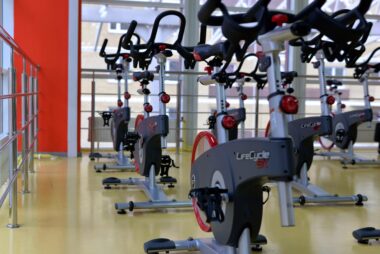
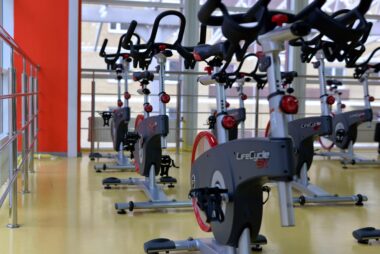
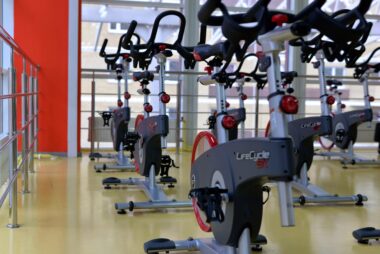
Indoor cycling workouts are an excellent way to improve cardiovascular health. They focus on increasing heart rate and endurance through high-intensity cycling sessions. With regular practice, you significantly enhance your overall fitness, leading to an increased ability to perform daily activities. Additionally, cycling is a low-impact exercise, reducing strain on joints while providing an efficient workout. This makes it ideal for people of all fitness levels, including beginners and those recovering from injuries. Furthermore, the accessibility of indoor cycling allows you to maintain a routine regardless of weather conditions. Access to stationary bikes enables you to spin at home or in a gym. You can find classes led by trained instructors who motivate and push your limits, ensuring you get the best results from each workout. Moreover, engaging in group rides fosters a sense of community, which can result in increased motivation and encouragement to reach fitness goals. The adjustable resistance on exercise bikes allows participants to customize their intensity, making workouts both challenging and enjoyable, catering to each individual’s fitness journey.
Weight Loss and Calorie Burning
One of the most significant benefits of indoor cycling is its potential for substantial calorie burning. On average, a vigorous session can burn between 400-600 calories in just one hour, depending on individual effort and bike resistance settings. This makes it a very effective workout for weight loss goals. When combined with a balanced diet, such calorie expenditure can lead to significant weight loss over time. Furthermore, cycling increases your metabolic rate even after your workout is complete, providing an afterburn effect. This means you continue to burn calories while your body recovers from the workout. With steady progress, seeing results in weight management is highly motivating. Incorporating cycling into a weekly exercise routine helps create a consistent calorie deficit, which is crucial for weight loss. Indoor cycling classes also often incorporate interval training, which alternates between high and low intensities. This type of training not only burns more calories during the session but significantly boosts your endurance and overall metabolic rate. Thus, it plays a crucial role in long-term weight management and healthier lifestyle choices.
Improving lower body strength is inherently linked to indoor cycling workouts. Pedaling on a stationary bike engages major muscle groups in the legs, including quadriceps, hamstrings, calves, and glutes. Consequently, with consistent practice, these muscles grow stronger, enhancing overall lower body strength. Strengthening your lower body is vital not only for cycling performance but also for improving functional movements in daily life. These physical improvements contribute to a greater athletic performance across various sports or fitness activities. Furthermore, as muscles strengthen, riders may also experience enhanced joint stability, leading to better posture and reduced risks of injury. The incorporation of resistance training exercises in indoor cycling classes further accelerates muscle development, ensuring a well-rounded approach to strength training. Riders can experience improved pedal power and endurance. Adapting the bike to target specific muscle groups adds variety to workouts, keeping them fresh and interesting. In essence, indoor cycling is an effective way to develop lower body strength while minimizing the risk of overuse injuries common in other high-impact sports.
Enhanced Mental Health
Indoor cycling offers significant mental health benefits. As a form of exercise, it naturally leads to the release of endorphins—known as the body’s feel-good hormones. This release creates a sense of well-being and happiness, which can combat symptoms of anxiety and depression. Furthermore, the rhythmic and repetitive nature of cycling can be meditative, allowing for mental clarity and stress relief. Participating in group indoor cycling sessions enhances social interaction. The communal workout environment can foster support and camaraderie among participants, further boosting morale. Regular exercise such as cycling also improves sleep quality, making it easier to achieve restorative rest, essential for mental health. Improved sleep promotes better mood regulation and cognitive function, providing further enhancement of emotional well-being. Alongside these benefits, focused workouts help individuals establish personal fitness goals, providing a sense of achievement when attained. The motivation and challenge offered in cycling classes inspire perseverance and resilience, qualities that positively translate into daily life. Therefore, incorporating indoor cycling into routines creates a holistic approach to overall mental well-being.
Flexibility and convenience are defining aspects of indoor cycling workouts. One of the biggest appeals is the ability to tailor workout schedules around personal commitments. You can choose to cycle early in the morning or late at night, depending on your preference. Many gyms offer classes throughout the day, providing flexibility for various lifestyles. For those who prefer privacy, investing in a stationary bike at home allows for an ultra-personalized routine. With numerous online platforms offering virtual cycling classes, there are limitless options available at your fingertips. Additionally, with no commute necessary, you can maximize workout time. The convenience of home workouts also helps reduce barriers to exercise, such as bad weather or crowded gyms. Hence, indoor cycling can seamlessly fit into busy family lives. Moreover, its adaptability means you can switch intensity levels as needed to accommodate changing energy levels or overall fitness goals. Whether you are a beginner or an advanced cyclist, customization contributes to a sustainable and enjoyable workout experience. The freedom of choosing when and how to cycle encourages commitment to an ongoing fitness journey.
Improved Cardiovascular Endurance
The enhancement of cardiovascular endurance is one of the most remarkable benefits of indoor cycling. This type of workout significantly improves lung capacity and the efficiency of the heart. As you pedal, your heart pumps faster to supply more oxygen and nutrients to your muscles. Regularly engaging in cycling can strengthen your heart, leading to lowered resting heart rates. This is crucial in reducing the risk of heart disease and promoting overall heart health. As your body adapts to the physical demands of cycling, you will notice improvements in stamina during different activities. The ability to complete daily chores with less fatigue is a sign of increased cardiovascular fitness. Indoor cycling can also improve blood circulation and help regulate blood pressure levels, adding to its health benefits. Many indoor cycling classes integrate interval training, which elevates heart rates at various stages. This training method is highly effective in building endurance and cardiovascular fitness. In conclusion, regular participation in indoor cycling not only develops a strong heart but also improves overall aerobic capacity and promotes a healthier lifestyle.
Indoor cycling workouts are a fantastic platform for tracking progress through measurable fitness goals. Many bike models and fitness classes come equipped with monitors that provide real-time feedback on distance, speed, and calories burned. Such data allows participants to assess their progress accurately. Monitoring your advancements creates motivation to achieve personal targets. The setting of goals can range from increasing resistance levels to completing longer rides or burning a specific number of calories. Not only does tracking provide a sense of accomplishment, but it also aids in holding individuals accountable. Many fitness applications offer additional insights into workouts that further enhance goal-setting capabilities. Knowing where improvements can be made inspires commitment to healthier habits and fitness routines. Recording these metrics also boosts motivation as participants can witness small improvements over time. This focus contributes to long-term fitness engagement, encouraging a lifestyle dedicated to health. Indoor cycling programs foster a community of individuals who often share their goals with fellow participants, building encouragement among peers. Hence, personal progress becomes collective motivation, reinforcing the benefits of forging lasting relationships through shared fitness experiences.
Accessible for Everyone
Another major advantage of indoor cycling is its accessibility to people of all ages and fitness levels. Both beginners and experienced cyclists can participate without extensive training. Indoor cycling does not require prior cycling knowledge or special skills. Simple adjustments on stationary bikes accommodate various physical sizes and strengths, allowing everyone an equal opportunity to benefit from this workout. It’s also a safe exercise option for individuals with certain physical limitations, as it provides the ability to control intensity levels easily. As a result, indoor cycling can often be integrated into rehabilitation programs. Furthermore, as a community-based activity, group classes encourage socialization. Many facilities offer classes targeting specific populations, such as seniors or special needs individuals. These classes enable individuals to connect with peers while reaping the benefits of physical activity. With the growing popularity of virtual classes, people can now engage in indoor cycling from home, expanding accessibility beyond the gym. The flexibility of format ensures that anyone can participate, regardless of their background or fitness journey. Overall, indoor cycling represents a welcoming environment for all, promoting inclusivity in exercise across diverse populations.