
Sport-Specific Mobility Drills for Basketball Players
Improving flexibility and mobility is essential for basketball performance, enabling players to execute dynamic movements fluidly. Mobility drills play a significant role in preparing athletes for the physical demands of the sport. A proper warm-up routine combined with these drills can help prevent injuries and enhance overall play. Each drill targets specific muscle groups essential for basketball, assisting in improved finesse and agility on the court. Engaging in sport-specific mobility drills not only aids in flexibility but also increases overall arousal, allowing players to react quickly during games. Focusing on hip, ankle, and shoulder mobility ensures that players can navigate through tight defenses while maintaining posture and balance. Implementing a consistent mobility regime will show marked improvements during practice sessions and games. Athletes are encouraged to dedicate some time before and after training to mobility work. By prioritizing mobility, players set themselves up for both short-term and long-term success. When players engage in these drills regularly, they enhance their performance while also reducing the risk of injuries that frequently plague the sport. A well-developed mobility regime is an integral part of any basketball player’s training journey.
One effective mobility drill is the hip flexor stretch. This drill eases tightness often found in players who spend significant time on the court. Start by kneeling on one knee, ensuring the other foot is flat on the ground at a 90-degree angle. While in this position, push your hips forward gently while maintaining an upright torso. Hold this position for 20-30 seconds, feeling the stretch in the front of the hip. Repeat this drill for both sides. Another beneficial exercise is the lateral lunge, which helps develop groin and inner thigh flexibility. Stand with feet together, take a step to the side while bending the opposite knee, keeping the other leg straight. This movement allows the player to work on balance and lateral agility, crucial for defensive and offensive maneuvers. Players should execute this drill several times on each side for maximum effect. Additionally, consider adding dynamic leg swings to your routine, which improves both hip and hamstring mobility. Doing this will significantly enhance a player’s ability to make quick cuts and changes in direction during games. These drills serve to optimize performance levels and reduce injury risks.
Implementation of Effective Mobility Drills
Implementation is critical when integrating mobility drills into an athlete’s routine. Developing a schedule that incorporates these drills is essential for continuous improvement. Athletes should aim for mobility sessions at least three times each week, increasing frequency as needed depending on individual mobility levels and game schedules. Begin sessions with low-intensity dynamic stretches before gradually progressing to more demanding exercises. Make sure to focus on areas most affected by gameplay; common tight areas include the hips, groin, and lower back. Encourage athletes to listen to their bodies and adjust their mobility work according to how they feel that day. Monitoring progress is beneficial and can be achieved through regular assessments. Coaches can assist by keeping records of performance metrics that track improvements in flexibility, range of motion, and overall athletic performance. During drills, emphasize proper technique to ensure that mobility work translates effectively to gameplay. With consistency and commitment, athletes will soon discover the difference in their functionality on the court. Adopting a disciplined approach towards mobility will yield benefits in athletic execution along with injury prevention. Contributions from coaching and team dynamics can enhance the collective mobility efforts of the entire team.
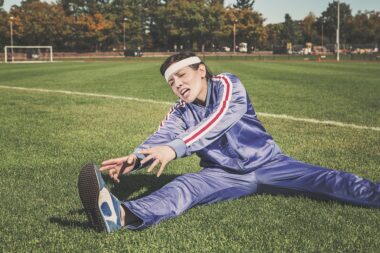
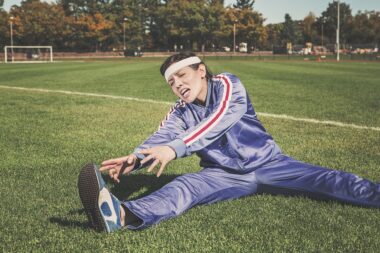
Incorporating stretching into mobility drills can enhance results further. Stretching can be split into static and dynamical, both providing unique advantages. Static stretching involves holding stretches for several seconds and focuses heavily on muscle relaxation and lengthening. Athletes should perform static stretches at the end of their training session to promote flexibility without prior fatigue. Conversely, dynamic stretching uses motion to promote flexibility while preparing muscles for activity. These can include exercises like high knees, butt kicks, and walking lunges, all of which engage multiple muscle groups and improve range of motion significantly. When players blend both types of stretching, it creates well-rounded mobility work, critical for improving performance on the basketball court. Timing and sequences of stretching are also paramount; dynamic routines should precede workouts while static routines close training to ensure muscles can recover effectively. Encourage athletes to systematically follow this approach to align mobility with their overall training strategy. This consistency nurtures flexibility and limits injuries while acknowledging exhausted muscles and related strain. With quality mobility integration practices, players will feel more prepared and capable during every engagement they face on the court.
Mobility Drills for Basketball Skills Enhancement
Players are often looking for ways to enhance their specific skills through mobility. Using drills that enhance footwork can significantly aid a player’s performance—especially in basketball. Agility ladders and cone drills provide excellent ways to enhance lateral movements crucial for defense. Incorporation of mobility with these skill-enhancement drills leads to more fluid and effective movements. For example, the defensive slide drill employs lateral movements combined with a mobility focus. As you execute lateral slides, incorporate knee bends and arm movements to engage your entire body. This way, athletes not only improve their sliding technique but also their lower limb mobility. Dribbling around cones in different directions can enhance coordination and mobility while simulating gameplay scenarios. Focus on maintaining a low center of gravity while adjusting dribbles to improve balance. Integration of these drills into routine practice can help break down barriers that impede athletic movement and on-court mobility. Over time, players will improve their quickness in tight game situations, leading to a better overall performance when it counts. These drills fulfill dual purposes, blending skill enhancement with mobility improvement seamlessly.
A good supplementary mobility exercise is the thoracic spine rotation. Basketball players often experience tension in their upper body, which can restrict shooting motion and passing precision. This drill begins in a quadruped position with knees on the floor and hands below the shoulders. With a neutral spine, lift one arm towards the ceiling while rotating the torso in a slow, controlled manner until the arm is pointing directly upwards. Hold briefly and return to the starting point, alternating sides. This drill helps increase flexibility in the spine, promoting better rotational movements essential for shooting and rebounding. Another beneficial exercise is the ankle mobility drill, which emphasizes the ankles, an often overlooked yet critical area for basketball players. Begin by placing both hands against a wall for support and then shift weight towards one foot, bending the ankle and knee to push forward over the toes. Repeat after several seconds on each side, allowing for increased stability. Regular execution of these exercises fosters greater fluidity in movement while helping to maintain proper technique. Enhancing these aspects not only supports performance but ensures longevity during a player’s career.
Recovery and Mobility
Finally, post-workout recovery is vital for maintaining optimal mobility. Engaging in cooldown routines and mobility exercises are essential steps after each training session. Cooling down helps to gradually lower the heart rate, allowing the body to ease back into relaxation. Effective strategies include light jogging followed by low-intensity stretches focusing on major muscle groups utilized during training—especially hips, legs, and shoulders. Foam rolling can also prove beneficial by relieving muscle tension while improving mobility and flexibility. This act of myofascial release can enhance blood circulation while accelerating recovery. Athletes are encouraged to focus on areas where they typically feel soreness or tightness, spending a few minutes on each. Moreover, incorporating yoga into the recovery routine can support both muscle recovery and mobility development. The combination of breath with movement promotes enhanced flexibility while also relieving stress. By prioritizing recovery, athletes help prevent injuries and ensure they can practice effectively throughout the season. A strong commitment toward consistent recovery and mobility improves basketball performance while facilitating a more extensive range of movement. Integrate these strategies into a regular routine, cultivating resilience and success on the basketball court.
Adhering to these principles will lead players to experience superior mobility and flexibility on the court, both of which are essential for basketball performance. Assessing mobility limitations can help tailor drills to individuals and provide optimal results. Communicate specific mobility needs throughout the athletic program, involving not only coaching staff but also physical therapists to assist in mobility training. Combining knowledge from various experts will lead to a more informed approach toward mobility drills. By taking a comprehensive look at how mobility impacts basketball skills, teams will foster healthier athletes capable of executing complex movements under pressure. As players adhere to established mobility practices, they develop muscle memory reinforcing improved performance over time. Consistency and diligence are paramount as athletes navigate through their training seasons. Ensuring that mobility drills remain a top priority will lead to durable athletes with the capability to respond to in-game demands adeptly. By adopting a holistic view toward basketball mobility, players align fitness with agility and skill, reaping the ultimate benefits both during practices and games. Through investment in mobility training, basketball players establish a solid foundation for reaching athletic excellence.