
Essential Practices for Maintaining Soil Health in Your Garden
Soil health is the cornerstone of any thriving garden ecosystem. A successful garden begins with understanding your soil, its composition, and its unique characteristics. Healthy soil is rich in microorganisms and nutrients necessary for supporting plant life. To maintain soil health, it is essential to conduct regular soil tests. These tests help to determine your soil’s pH level, nutrient content, and organic matter concentration. Based on the results, you can amend your soil accordingly, adding nutrients like nitrogen, phosphorus, and potassium as needed. Implementing crop rotation is another essential practice to maintain soil nutrients naturally. By alternating crops, you prevent disease buildup and reduce pest populations. Furthermore, using organic fertilizers, like compost or manure, enhances soil quality and boosts beneficial microorganism populations. Always consider mulching your garden beds to assist with moisture retention and weed control. Incorporating cover crops during the off-season helps to prevent erosion and improve soil structure. Keeping these practices in mind will ensure your soil remains fertile and productive, allowing your garden to flourish for seasons to come. Well-maintained soil is essential for sustainable gardening and environmental stewardship. A thriving garden reflects healthy soil.
Another vital practice in maintaining soil health is employing conservation tillage methods. Traditional tillage can disrupt soil structure, leading to compaction and loss of essential microbial life. By minimizing soil disturbance, you enhance the soil’s capacity to retain moisture and nutrients. Direct seeding methods are encouraged to promote minimal disturbance. Enhancing soil organic matter is crucial for long-term soil health. The addition of organic materials, such as leaves and straw, contributes to developing a rich, loamy soil. Organically rich soil improves water retention and provides plants with a steady nutrient supply. Integrating plants that can fix nitrogen, like legumes, into your garden will naturally boost soil fertility. These plants enrich the soil and synergize with other plants, creating a vibrant ecosystem. Furthermore, earthworms and beneficial insects play a substantial role in soil health. Their activities aerate the soil and promote nutrient cycling. Regularly observing your garden for pest threats and implementing integrated pest management strategies ensures a balanced ecosystem. Supporting biodiversity in your garden improves soil health, leading to robust plant life and rich yields.
Water Management for Soil Sustainability
Effective water management significantly influences soil health. Excess water can lead to erosion and nutrient leaching, while insufficient water compromises plant growth. Implementing drip irrigation systems provides a targeted approach to watering, minimizing waste and ensuring that water reaches the plant roots. Maintaining proper moisture levels will enhance microbial activity in the soil and improve nutrient uptake for plants. Additionally, understanding your local climate is vital in determining the ideal watering schedule. Mulching can help reduce evaporation while stabilizing soil temperatures. Cover crops and strategic planting designs also support moisture retention. Establishing swales or other contour techniques can help redirect rainwater to where it’s most needed in your garden. Avoiding waterlogged conditions, especially in heavy soils, is essential to promote healthy root development. Regularly monitoring soil moisture levels through the use of moisture meters or simple insertion tests can aid in maintaining optimal conditions. Implementing these effective strategies ensures that both soil health and plant vitality are preserved. A knowledgeable approach to water management is one of the essential practices for sustainable gardening.
Another essential aspect of soil health is the effective management of weeds. Weeds compete with your garden plants for nutrients, water, and light, which can hinder their growth. Employing a proactive strategy to control weeds will help maintain a healthy garden ecosystem. Hand-pulling weeds is a time-consuming yet effective way to remove them without harming beneficial organisms. Alternatively, using landscape fabric or biodegradable mulch provides an effective barrier against weed growth. Regular observation and prompt management of emerging weeds should be part of your gardening routine. Additionally, enhancing soil fertility strengthens your garden plants’ competitiveness against weeds. Oftentimes, healthier plants will outcompete unwanted weed species. Consider planting native flowers and plants that attract beneficial insects, as these pollinators also help to manage pest populations. Integrating companion planting techniques can also discourage weeds while enhancing soil health. For instance, certain plant combinations can suppress weed growth through shading or release natural herbicides. By focusing on these management techniques, you can effectively keep your garden better maintained and reduce the impact of weeds on your plant health and productivity.
Composting and Soil Amendments
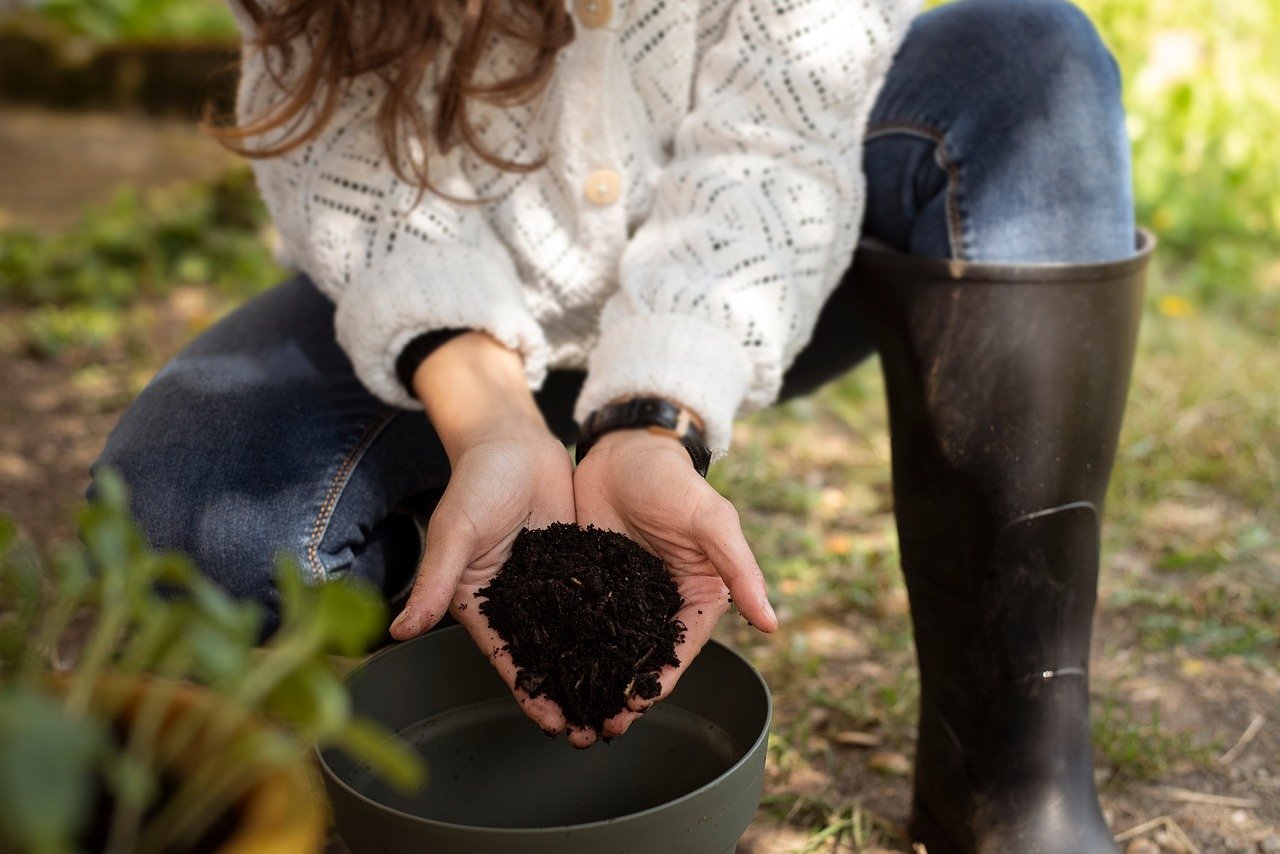
Composting is a core practice for enhancing soil health in your garden. Compost improves soil structure, increases nutrient content, and fosters beneficial microorganism activity. By gathering kitchen scraps, garden waste, and other organic materials, you can create a rich compost mixture. Ensuring the right balance of carbon-rich browns and nitrogen-rich greens will yield high-quality compost. Regular turning and maintaining moisture levels will accelerate the decomposition process. Once matured, compost can be applied to your garden beds as an amendment, providing plants with essential nutrients. In addition, using organic soil amendments, such as rock phosphate or bone meal, can enhance soil fertility. These natural minerals slowly release nutrients, improving soil structure and promoting healthy root systems. The incorporation of mycorrhizae can enhance plant nutrient uptake and overall growth rates. It’s also important to understand your soil’s specific needs, as different plants thrive in varying soil conditions. Observing how your plants respond to amendments will provide insights into optimizing soil health. All of these practices help support long-term sustainability within your garden ecosystem and contribute to greater yields.
Crop rotation is another fundamental aspect of maintaining soil health. By alternating the types of crops grown in your garden, you can prevent nutrient depletion and interrupts pest life cycles. For example, planting legumes after heavy feeders, such as corn, helps replenish nitrogen levels in the soil. This method not only improves soil structure but also reduces the risks of soil-borne diseases. Furthermore, some plants exude natural compounds that can deter pests or attract beneficial insects. Planning out your garden layout with this knowledge will maximize crop productivity and preserve soil health. Implementing polyculture practices, where multiple types of plants grow together, further enhances biodiversity in your garden. This diversity can lead to healthier soil and more resilient crops. Keeping a detailed garden journal tracking your crop rotations, weather conditions, and plant performances can provide valuable insights for future planting strategies. Emphasizing the importance of crop rotation encourages you to continuously learn about your soil composition and plant requirements. By understanding these fundamental principles, you can create a thriving garden that blends productivity with sustainability and environmental respect.
Conclusion: Embracing Soil Health Practices
In conclusion, maintaining soil health in your garden requires dedication and awareness of best practices. By integrating techniques such as soil testing, organic amendments, water management, and conservation practices, you create a productive environment for your plants. Good soil not only supports vibrant gardens but also fosters ecosystems rich in biodiversity. The adoption of sustainable practices, such as composting and crop rotation, ensures long-term health for your garden and the planet. Regularly monitoring soil conditions and plant responses will lend further insights into effective management strategies. Creating healthy, living soil is fundamental not only for gardening success but also for nurturing our environment. As we engage with gardening practices, let’s forge stronger connections with our soil and promote sustainability. Each action taken towards good soil health creates ripples beyond our gardens, contributing to a healthier ecosystem. Embracing these essential practices reflects a commitment to environmental stewardship. Make your garden a flourishing space that thrives while giving back to nature. Remember, healthy soil is the key to a healthy garden, ensuring beauty and productivity that can be enjoyed for generations.