
Breathing Techniques to Manage Sleep Apnea Symptoms
Sleep apnea is a common condition that affects many individuals, causing interrupted breathing patterns during sleep. It not only disrupts restful sleep but can also lead to chronic fatigue and other health challenges. One of the natural remedies to alleviate the symptoms of sleep apnea is through breathing techniques. Often, these techniques help in calming the nervous system, enhancing airflow, and ensuring better oxygen exchange. By focusing on your breath, you can learn to promote relaxation, which is crucial for a good night’s sleep. Various methods used in different cultures can be beneficial. These techniques may include diaphragmatic breathing, pursed lip breathing, or specific yoga practices. Each of these methods encourages deep breathing, which can positively impact sleep quality. Not every method will work for everyone, so it is vital to explore and find what works best for you. Regular practice can enhance efficiency over time. Integrating these techniques into your daily routine may lead to improved sleep quality and management of apnea symptoms. Through dedication and mindfulness, it is possible to achieve noticeable results. This article dives into various breathing techniques specifically designed for sleep improvement.
Diaphragmatic Breathing for Better Sleep
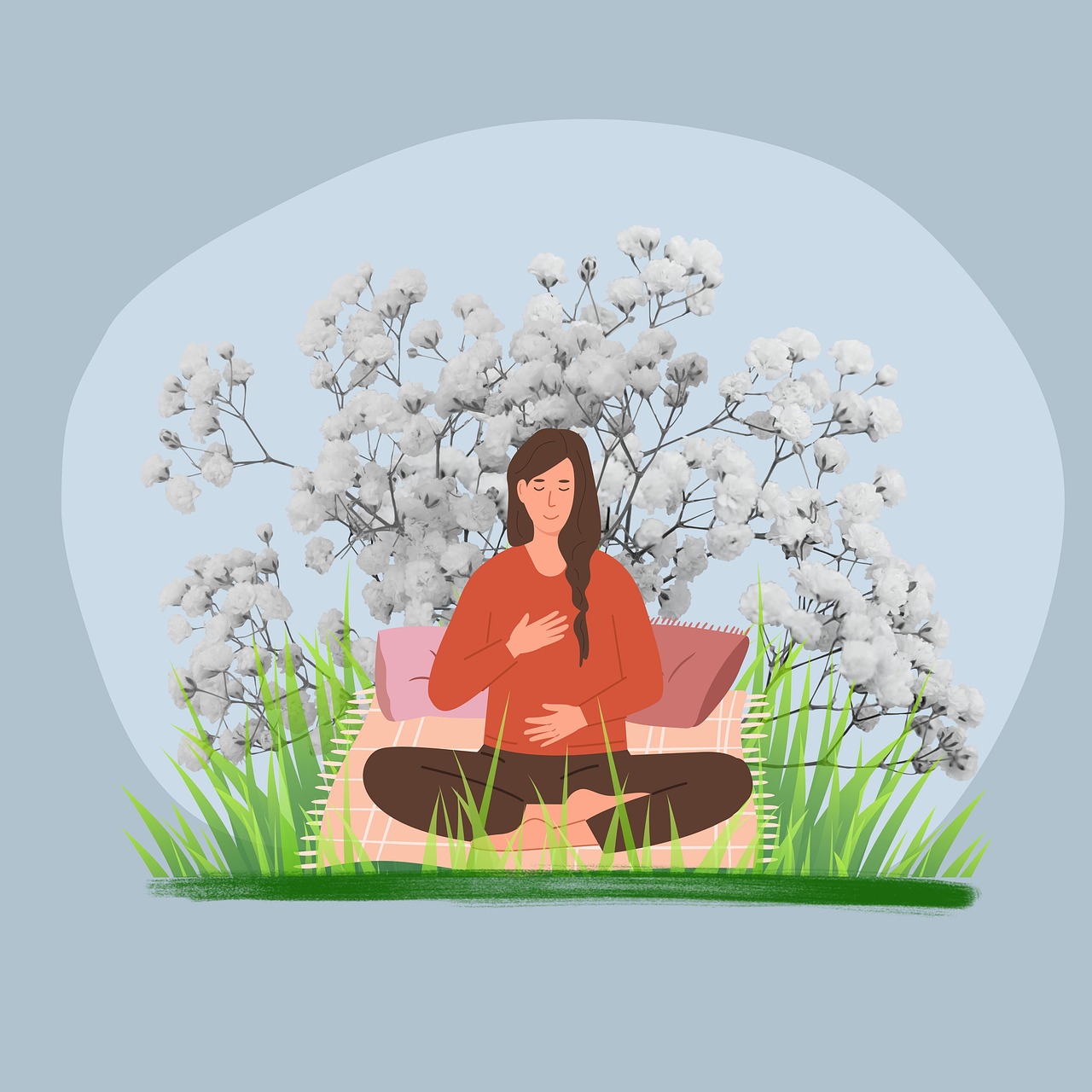
Diaphragmatic breathing, also known as abdominal or belly breathing, is a technique that promotes deeper and more effective breaths. This method engages your diaphragm rather than merely utilizing your chest, leading to improved oxygen intake and reduced stress levels. Users of this technique often experience significant reductions in sleep apnea symptoms. To practice, start by reclining comfortably. Place one hand on your abdomen and the other on your chest. Inhale deeply through your nose, allowing your abdomen to rise while keeping your chest relatively still. Exhale slowly through your mouth, encouraging relaxation. Continue this process for several minutes, focusing on your breath. By practicing this technique regularly, you can condition your body to breathe more effectively during sleep. It contributes to a more relaxing environment that initiates restorative sleep. So, aim for at least five to ten minutes each day. As you progress, you may find that you can more easily engage in diaphragmatic breathing throughout the night. Make sure to use this technique if you wake during the night, redirecting your focus back to breathing deeply and evenly.
Pursed lip breathing is another effective technique for those dealing with sleep apnea. This method can help in keeping airways open and controlling the rate of breathing, benefitting respiratory function. This involves inhaling through your nose and then exhaling slowly through pursed lips, almost as if blowing out a candle. This simple yet powerful maneuver provides a controlled way to release air. Understanding the right rhythm is crucial. Inhale for a count of two and then exhale for a count of four. This extended exhalation helps in clearing the lungs and ensuring that carbon dioxide is expelled more thoroughly. Practicing this technique while lying in bed can create a calming ritual just before sleep. It is particularly effective when done in combination with relaxation methods, such as visualization or gentle stretching. Over time, you may notice improvements in your nighttime breathing patterns. In addition, reduced stress levels may help you stay asleep longer and achieve deeper sleep cycles. Aim for this practice during stressful times or when you notice irregular breathing patterns during the night.
Incorporating Yoga Breathing Techniques
Yoga has long been known for its beneficial impact on mental and physical health. Incorporating yoga breathing techniques into your routine can significantly assist with managing sleep apnea symptoms. Pranayama, the art of breath control, focuses on regulated and deep breathing patterns that promote relaxation. Techniques such as Nadi Shodhana, or alternate nostril breathing, play a crucial role in balancing energy in the body while calming the mind. To practice, close your right nostril with your thumb, inhale deeply through the left nostril, close the left nostril with your ring finger, and exhale through the right nostril. Alternate this process for several minutes, which enhances overall respiratory function. Practicing these techniques consistently can lead to higher awareness and better control over your breathing during sleep. Incorporating short sessions into your daily routine may also reduce anxiety levels and promote better sleep hygiene. Find a comfortable spot where you can practice regularly. Emphasizing mindfulness during these sessions will reinforce the connection between breath and sleep quality, ensuring that your struggle with apnea symptoms reduces over time too.
In addition to the techniques mentioned, exploring mindfulness meditation can significantly improve sleep outcomes, particularly for those with sleep apnea. Emphasizing awareness of your breath while meditating can direct focus away from racing thoughts or anxieties. This practice nurtures a calm mind and creates a peaceful sleeping environment. To begin, find a quiet space where you feel at ease. Sit or lie down comfortably and direct your attention to the natural rhythm of your breath. Observe your inhalation and exhalation without trying to change anything. If your mind wanders, gently guide your attention back to your breath. This practice can be integrated easily into your bedtime routine, as just ten minutes of mindfulness meditation may cue your brain that it’s time for rest. Consistently practicing these techniques will not only reduce sleep apnea symptoms but also yield richer sleep quality. Furthermore, you may discover that the overall mindfulness approach positively impacts various aspects of your life by promoting a centered and rejuvenated feeling upon waking. This combination of awareness and breath can transform how you approach nightly rest.
Creating a Sleep-Conducive Environment
Besides mastering breathing techniques, it is crucial to establish a sleep-conducive environment. Begin by ensuring that your sleeping area is dark, quiet, and comfortably cool; these factors contribute immensely to sleep quality. To enhance relaxation, consider using white noise machines or calming apps that specifically promote serenity. Essential oils, such as lavender or chamomile, can also create an inviting atmosphere for sleep. Spritzing your sheets or using a diffuser can ease the transition into sleep. Additionally, make use of comfortable bedding that allows for a restful experience; remember that your mattress and pillows play a significant role in your sleep posture. Regularly decluttering your room can further promote peace, as an organized space fosters mental tranquility that facilitates the effectiveness of breathing techniques. Creating a dedicated wind-down period before sleep to practice breathing or mindfulness can establish a habitual connection with your sleep environment. Try limiting screen time before bed while engaging in relaxing activities such as reading. This strategy makes breathing techniques more effective in overcoming sleep apnea symptoms and achieving a restful deep sleep.
In conclusion, integrating breathing techniques into your pre-sleep routine can substantially reduce the symptoms of sleep apnea. The exploration of methods like diaphragmatic breathing, pursed lip breathing, and yoga-focused practices offers diverse options for managing the disorder. Furthermore, supplementing these techniques with mindfulness and creating a sleep-conducive environment lays the groundwork for better sleep experiences. Remember that consistency is vital; the more regularly you practice these methods, the better the results you will observe. Committing to this holistic approach to improving sleep quality can rejuvenate both your sleep and overall health. It’s essential to support these practices with guidance from healthcare professionals if symptoms persist. Combining natural remedies with professional advice promotes healthier outcomes, enhancing overall well-being. Start incorporating these techniques today to experience just how powerful breath can be for improving your sleep quality and comfort. Remember, every small step leads you toward better rest and a more refreshed tomorrow. You possess the power to change your nightly experience, paving the way for rejuvenation and energy in each day.