
Using Music and Dance to Enhance Fitness in Schools
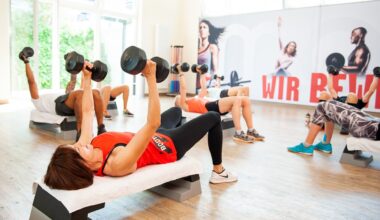
In today’s educational environment, integrating fitness programs into schools is vital for promoting healthy lifestyles. Children and teens face increasing sedentary habits influenced by technology. One effective way to combat this is by using music and dance to enhance fitness programs within the academic setting. Not only does this approach make workouts enjoyable, but it also fosters a love for movement and physical activity early on. Teachers can take advantage of various styles and genres, catering to students’ diverse tastes. Schools can encourage participation by organizing dance competitions or fitness events, merging social interaction and fitness into a single experience. The positive impact of music is well-known; it elevates mood and boosts motivation, essential factors in ensuring kids stay active. Furthermore, pairing music with structured routines makes it easier for students to follow along and engage with exercises. Even simple aerobic activities set to favorite songs can yield significant results in physical health and overall well-being. Fitness programs that incorporate music and dance not only improve physical fitness but also contribute to emotional and social development, making them an excellent addition to any school curriculum.
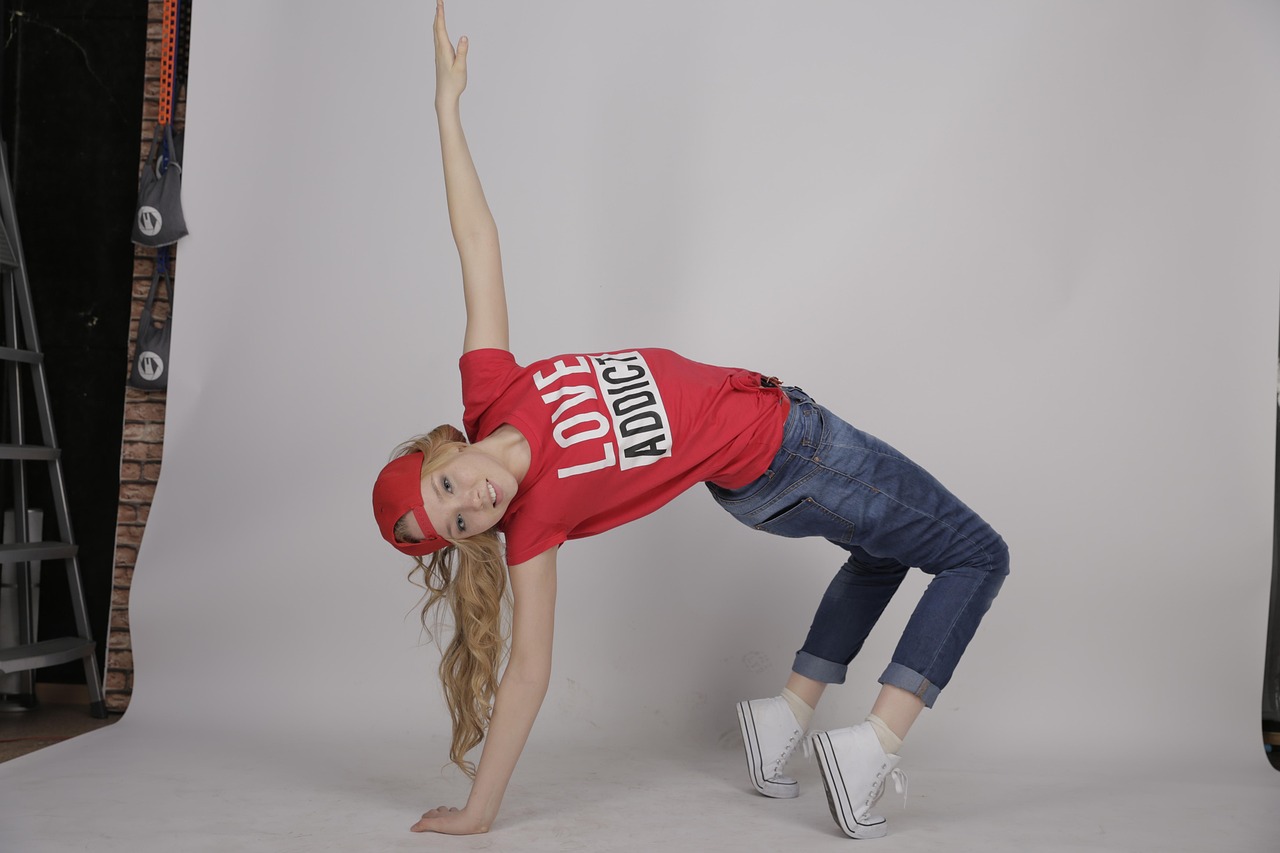
An important aspect of using music in fitness programs is its ability to facilitate rhythm and coordination. Children naturally love to move to music, and this can be harnessed to create fun, engaging lessons that keep them motivated and eager to participate. Dance can take many forms, from hip-hop to salsa, providing various options for schools to choose from. By integrating dance, schools can foster teamwork and foster a sense of achievement among participants. It can also be beneficial for physical development, enhancing balance and coordination in students. Teachers can even collaborate with local dance studios to introduce different styles to students, expanding their horizons and skills. Utilizing fun movement experiences can aid in building self-esteem and confidence among students. Another great advantage is that these activities can be easily adapted for various age levels and skill sets. Such flexibility ensures that every student, regardless of background or experience, can find joy in being active. Ultimately, this increased physical activity leads to a slew of health benefits, making it essential for schools to embrace music and dance as vital components of their fitness programs.
Implementation of music and dance in school fitness programs extends beyond physical benefits, affecting social interactions and emotional well-being. Participating in group activities promotes teamwork and camaraderie among students, essential for building a supportive school environment. When students participate in dance activities, they forge friendships and create lasting memories through shared experiences. Such bonding activities can alleviate social anxiety and help foster inclusivity in diverse classrooms. Additionally, the endorphin release during physical activity significantly enhances mood and reduces stress levels. Music serves as a motivator, transforming workouts into fun, lively gatherings. Schools can also host community dance events, inviting families to join and learn together, further strengthening community bonds. Moreover, incorporating these activities into school schedules can reduce absences, as increased physical fitness is linked to improved concentration and academic performance. The ripple effect of enhanced moods and social interactions can improve overall school culture. To maximize impact, educators should offer ongoing workshops to train faculty on using music and dance effectively. It’s vital that these programs are sustainable and evolve based on student feedback to foster a continued interest and commitment to physical fitness.
The Role of Educators in Promoting Dance and Music
Educators play a crucial role in shaping how students perceive fitness and well-being. Their enthusiasm and passion for music and dance can directly influence students’ participation levels. Teachers can create innovative lessons that integrate educational content with movement, thereby encouraging a love for learning through physical activity. Professional development workshops focused on music and dance can provide teachers with new strategies and techniques. This empowers them to engage students actively and creatively within the fitness curriculum. By fostering a supportive environment where physical activity is valued, teachers instill lifelong habits in their students. This can help combat health issues prevalent in children and teens, such as obesity and depression. Moreover, collaboration among teachers across subjects can yield interdisciplinary projects that mix fitness with academic goals. For instance, math concepts can be taught through dance counting, while history lessons may come alive through culturally inspired movements. Furthermore, actively participating alongside students helps break down barriers and encourages them to step outside their comfort zones. Such authentic engagement promotes mutual respect, fostering a sense of belonging in the school community.
As schools strive to include innovative programs, administrators must prioritize resources and support for music and dance initiatives. Investments in appropriate equipment, such as sound systems and dance floors, can uplift the quality and experience of fitness programs. Moreover, schools should explore partnerships with local health organizations or fitness experts. These collaborations can provide valuable insight and knowledge to educators looking to enhance fitness programs through dance and music. Additionally, schools may consider scheduling regular themed events or challenges to boost student enthusiasm. For example, a ‘Dance Week’ could spark excitement and reinvigorate students’ interest in fitness. Furthermore, by creating vibrant, themed settings during school fitness events, students can immerse themselves in an enjoyable and engaging experience. Schools can also gather student feedback, using it to tailor programs that align with preferences and interests. This open dialogue enhances motivation, ensuring unique contributions resonate with the student body. Creating a culture that prioritizes dance and music represents a long-term investment in students’ futures, facilitating healthy lifestyles during their formative years and beyond.
Evaluating the Impact of Music and Dance Programs
The assessment of music and dance interventions in school fitness programs is essential for understanding their effectiveness. Schools should establish metrics to measure student engagement, retention, and overall health outcomes. Surveys can gauge student enjoyment and interest levels, ensuring ongoing improvement based on feedback. Using tracking tools to monitor physical activity levels can demonstrate how music influences students’ motivation and participation rates. Moreover, educators should collaborate with health professionals to analyze health indicators, such as BMI and fitness scores, before and after program implementation. These evaluations can substantiate the potential advantages of incorporating music and dance into physical education. Schools can also share success stories and best practices within the educational community. Such knowledge-sharing encourages innovation in developing engaging and effective fitness programs. Community involvement can further enhance evaluations, as parents play a pivotal role in reinforcing active lifestyles at home. Ultimately, results gathered through assessments can solidify the importance of music and dance in promoting holistic growth among students. They enable educators not only to showcase accomplishments but also to advocate for further support and resourcing for music and dance fitness initiatives.
Ultimately, the integration of music and dance into fitness programs in schools represents an essential evolution in physical education. By fostering an environment that prioritizes creativity and activity, schools can inspire students to lead healthier, happier lives. The multiple benefits associated with this approach extend beyond mere fitness; they encompass social, emotional, and cognitive development. Additionally, shaping a positive attitude towards exercise will likely result in healthier habits in adulthood. School administrators, educators, and communities must work collaboratively to develop, support, and sustain these engaging programs. Continuous reassessment ensures that the initiatives remain relevant and impactful, adapting to the needs of each generation of students. Programs should be inclusive, welcoming, and accessible to all, celebrating the diversity of musical cultures and dance forms. Recognizing that each child has unique learning styles and preferences, educators can customize activities to enhance participation. Investing in music and dance-driven fitness not only bolsters physical health but also cultivates emotional resilience and fosters connection among students. Together, we can build a brighter future where fitness becomes a joyful, integral part of education, paving the way for a generation that values health and activity as lifelong pursuits.
Conclusion: The Future of Physical Education
In conclusion, integrating music and dance into fitness programs in schools can transform the landscape of physical education. The numerous benefits—from improved fitness levels to enhanced social skills and emotional well-being—make it an essential component of a well-rounded education. By encouraging movement through music, schools can captivate young minds and bodies, fostering an environment where physical activity is associated with joy and creativity. Additionally, it serves as a powerful tool for addressing many of the health challenges faced by today’s youth, ultimately promoting a healthier, more active generation. As we look to the future of physical education, the need for innovative, engaging, and inclusive programs cannot be overstated. Collaborations among educators, parents, and community organizations will be vital to sustain momentum and scale successful initiatives. By continuously evolving and adapting to the changing needs of students, schools can champion a fitness culture that embraces diverse forms of movement. Ultimately, the impact of music and dance in schools will resonate far beyond the classroom, shaping students’ lifelong relationships with fitness, health, and well-being.