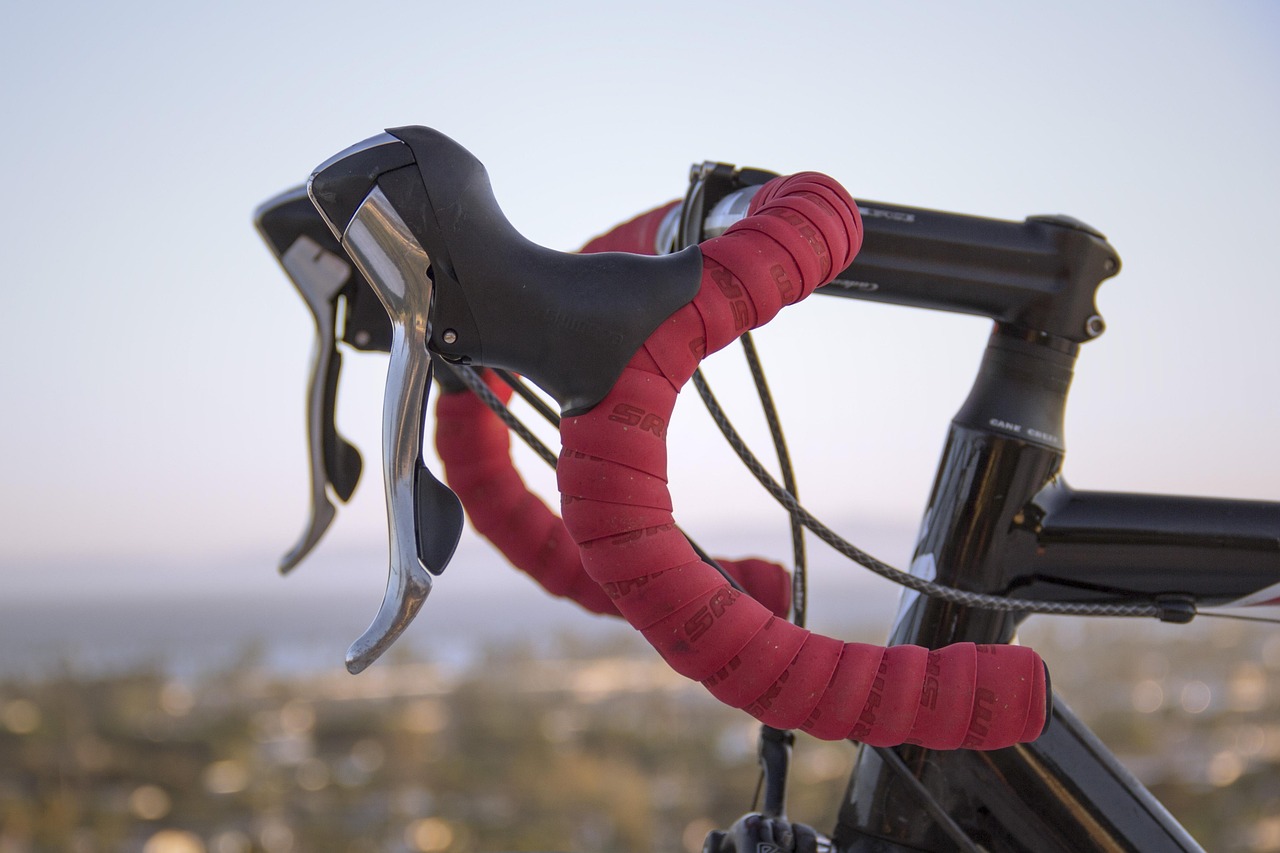

The Role of Handlebar Position in Bike Fitting
When it comes to bike fitting, handlebar position is crucial for achieving an optimal riding experience. The height and reach of the handlebars directly influence rider comfort and performance. A proper handlebar setup helps maintain healthy posture, reducing strain on the back and shoulders. When customizing bike fit, it’s essential to consider the rider’s body dimensions, flexibility, and riding style. For competitive cyclists, fine-tuning handlebar position can enhance aerodynamics, while recreational cyclists may prioritize comfort. Adjusting the height closer to or further from the saddle affects the rider’s center of gravity, which can lead to improved stability or agility. The goal is to create a balanced riding position that minimizes fatigue over long rides. It’s also vital to personalize the width and shape of the handlebars, as these factors contribute to handling and control. Overall, the handlebar position must cater to individual needs. Proper fitting leads to an enjoyable cycling experience, allowing riders to focus on the journey ahead. Therefore, investing time in handlebar adjustments should be a priority for anyone serious about cycling.
Handlebar position significantly affects pedaling efficiency and comfort. Riders must find a balance between aerodynamics and comfort to enhance their cycling performance. Proper customization of handlebar height determines how easily riders can reach them while maintaining a neutral spine. For those who frequently ride long distances, a slightly higher handlebar position might provide better comfort and reduce fatigue. Conversely, a lower position aids in reducing drag and improving speed for competitive racers. This is crucial for triathletes who need to transition confidently between phases of their races. Experimenting with variations in height, reach, and angle helps cyclists discover what works best for them. Keep in mind that body chemistry and personal preferences play significant roles too. It’s recommended that riders consider testing multiple setups during training sessions to identify their preferred position. Specialized fitting services can aid in the process, offering professional insights based on biomechanics. Proper fitting not only affects performance but also influences the overall health and longevity of the rider’s body. Making these adjustments might seem daunting at first, but a little trial and error can lead to significant improvements.
Biomechanics of Handlebar Adjustment
Understanding the biomechanics behind handlebar position is essential for a proper fit. Many riders may overlook how significantly handlebar height can influence body position. Increased handlebar height may raise the torso, allowing for a straighter back and reducing lower back discomfort. Conversely, lowering the handlebars could tilt the pelvis forward, which may feel more aggressive but can also lead to increased strain on the lower back over time. Additionally, the reach from saddle to handlebar affects shoulder position and can cause discomfort if not tailored correctly. If the handlebars are too far, it can stretch the rider and lead to disengagement from pedaling. On the other hand, handlebars that are too close can cause excessive bending at the elbows, leading to upper body fatigue. The ideal setup requires a personal assessment of flexibility, strength, and cycling goals. Riders should also be aware of their hand positioning. The grip on the handlebars plays a crucial role in overall comfort levels during rides. Evaluating these factors collectively assists cyclists in finding their optimal handlebar position.
Experimenting with different handlebar types is also a critical aspect of bike fitting. Handlebars come in various shapes, widths, and materials, all affecting the rider’s comfort and performance. While some may prefer flat handlebars for urban riding, others might find drop handlebars more suitable for long-distance cycling or racing. The choice largely depends on riding style and preference. When testing various handlebars, effective communication with a bike fitter can yield beneficial information on how different options can enhance riding experience. Furthermore, ergonomic designs can provide additional comfort by allowing the hands to maintain a relaxed position. This is especially beneficial during longer rides where one may experience numbness or discomfort otherwise. Varying the stroke distance on the handlebar can also impact activation of arm, shoulder, and core muscles, which is beneficial for improving endurance. Cyclists should evaluate compatibility with their bike frame to avoid any unforeseen complications. Overall, selecting the right handlebar can significantly transform the biking experience, pushing riders toward their best performances while promoting optimal physical health.
Customizing Handlebar Width
The width of the handlebars is a vital yet often overlooked factor in bike fitting. Handlebar width affects the rider’s stability and maneuverability. Wider handlebars provide greater leverage while steering, which can be advantageous for riders tackling rough terrains or doing technical descents. However, a width that is too broad can lead to shoulder strain and discomfort over long rides. Conversely, narrower handlebars may allow for a more aerodynamic position, ideal for racing, but can compromise stability during downhills. Thus, finding the optimal width remains an essential factor in perfecting bike fit. Riders must assess their shoulder width and riding style when selecting lbs sizes. Professional bike fitting often suggests that the handlebar width corresponds with the shoulders to maintain an efficient position. New cyclists should consider experimenting with different widths to see which one suits their style best. Testing these adjustments can dramatically alter the riding experience. Riders should also consider how handlebar width interacts with the bike frame to create balance and a smooth ride. Evaluating these considerations ultimately contributes to performance enhancements.
Additionally, handlebar angles can significantly influence aerodynamics and comfort. The tilt or angle of the handlebars can impact wrist position and lead to discomfort during prolonged rides. Riders must find the right angle that allows for a natural wrist position, reducing strain on the upper body. Some cyclists prefer bars with a slight upward angle to promote a more relaxed posture, while others benefit from a flatter plane for aggressive racing styles. Furthermore, experimenting with different angles can assist in determining how it affects power output and efficiency. Areas that are neglected in bike fitting sometimes go beyond aesthetics and comfort, as they play a role in the cyclist’s overall performance. A slight angle tweak can lead to noticeable changes in biomechanics. Proper angle assessment also can align the shoulders with the hips, ensuring smooth power transfer. For new riders, understanding handlebar function helps to increase overall awareness of bike fit benefits. Professionals often recommend adjustments through hands-on guidance to maximize comfort during riding experiences as each cyclist possesses unique needs.
Final Thoughts on Handlebar Position
Ultimately, handlebar position significantly dictates the rider’s overall cycling experience. A well-fitted bike, especially focused on handlebar adjustments, enhances performance and comfort. This not only makes rides more enjoyable but also leads to reduced fatigue and longer riding periods. Cyclists should prioritize regular assessments of their setups to account for any evolving comfort needs. Body flexibility and strength both change over time, necessitating periodic bike fits. Additionally, consistent feedback during rides can guide necessary adjustments. After all, finding the right balance between speed performance and comfort requires flexibility in understanding individual preferences. Aspiring cyclists are urged to consider investing in professional bike fitting services or seeking out knowledgeable experts in their area. The return on investment during training and recreational cycling can be invaluable. Properly fitted handlebars are just one component among many. Bike fitting effectiveness encompasses various dimensions, encouraging riders to engage in a holistic analysis of all components. Adopting a proactive approach to bike fitting can lead to enjoyable riding experiences, taking cyclists further than they ever imagined.
In conclusion, the journey towards a perfect fit hinges significantly on suitable handlebar positioning. Troubles arising from improper fitting can affect performance and lead to discomfort that detracts from riding experiences. Regularly assessing handlebar position will help maintain optimal performance, boost enjoyment on long rides, and prevent physical issues that arise from poor bike ergonomics. Furthermore, realizing how handlebar adjustments influence multiple aspects of cycling creates a more profound understanding of bike fitting. Knowledgeable cyclists can make calculated decisions when experimenting with their handlebar setups during rides. Such awareness not only improves personal satisfaction but can also foster enthusiasm for cycling as a sport. By dedicating time to refine their bike fit, riders can enhance their efficiency and connection with the bike. A well-fitted bike leads to increased confidence on various terrains. For those new to cycling or seeking improvements, consider this aspect as a primary factor in your biking journey. Always remember that small changes can lead to significant impacts, so don’t hesistate to dive into the details of handlebar adjustments for optimal cycling bliss.