
Strength Training for Postnatal Fitness: What You Need to Know
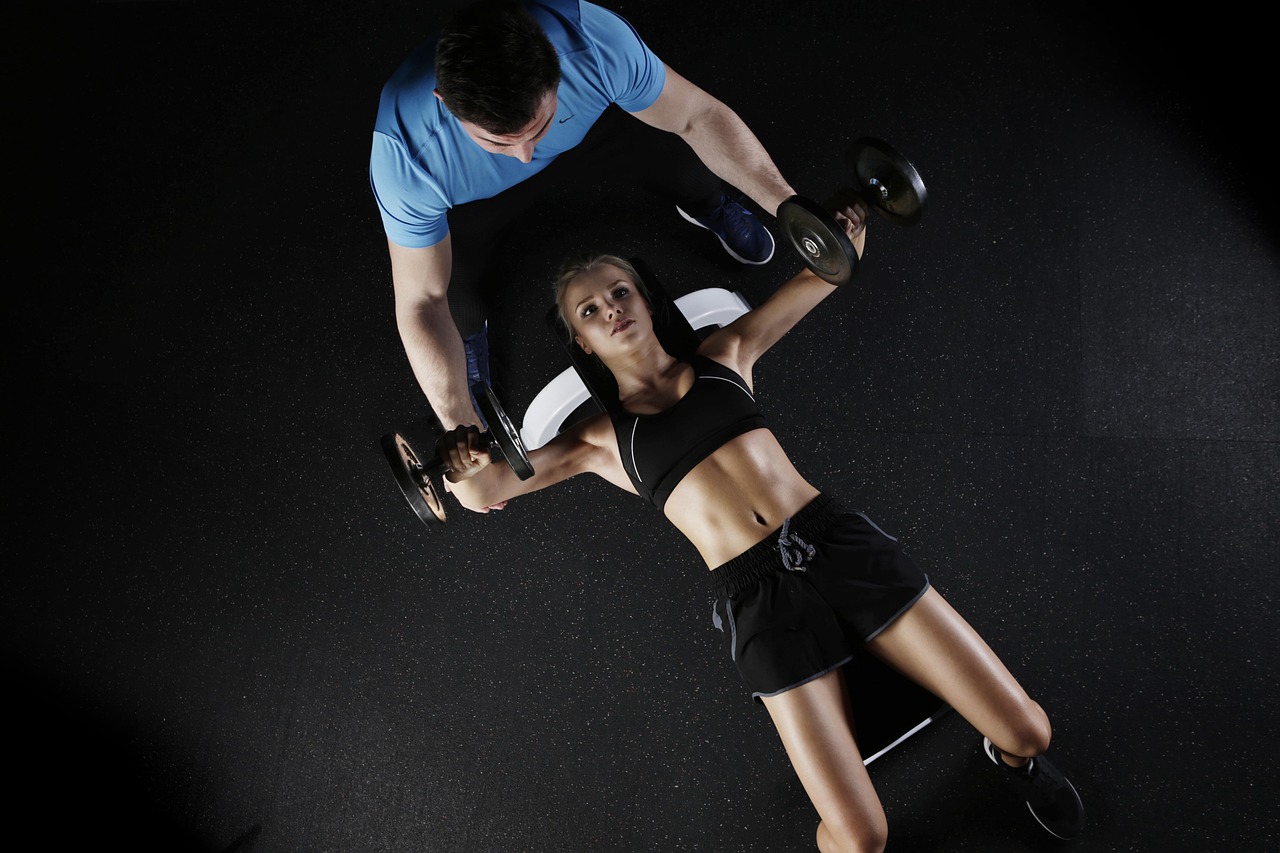
Postnatal recovery involves a range of activities that can support a new mother’s overall well-being. After childbirth, women often experience physical stress, which can lead to various challenges, notably regarding core strength and posture. Engaging in targeted exercises can not only help restore muscle tone but also build the foundation for overall body strength. Incorporating strength training into your routines will significantly aid recovery. Emphasizing your abdominal muscles, pelvic floor, and lower back is essential for preventing injuries. Moreover, strength training returns core strength to normal. Be sure to start slowly, focusing on flexibility routines and muscle recovery. It’s also crucial to listen to your body’s signals and adjust your training accordingly. Consulting with trainers who specialize in postnatal fitness can provide tailored advice and guidance, helping you navigate your recovery journey safely and effectively. This process engages both physical fitness and psychological wellness, enhancing your transition into motherhood. Creating a regular workout regime around strength exercises will promote better health and energy levels. Thus begins your journey toward regaining strength and fitness after giving birth.
The Importance of Strength Training
Strength training is significant in postnatal recovery, fostering not merely physical recovery but also emotional resilience. After childbirth, women’s bodies undergo numerous changes both physically and hormonally. Strength exercises play a vital role in restoring core stability, back strength, and overall body alignment. Involving weight training can improve muscle endurance, ensuring strength while handling daily parenting duties. Throughout this time, it becomes increasingly essential to engage in exercises designed explicitly for postnatal recovery, avoiding traditional methods unsuitable for the newly delivered body. Practicing consistency in your training routine will bring about gradual but robust changes over time. Postnatal strength routines often emphasize light weights or body weight, ensuring a safe start. The focus should be on slow-motion strength movements, leading to muscle memory and progressive resistance. Gradually increasing the weight and complexity of the exercises will enhance your recovery. Listening to your body during workouts is paramount; any discomfort may signal the need for modifications. For new mothers, embracing strength training can lead to improved physical capabilities and enhanced emotional health. Offering a sense of accomplishment, strength training will help restore control in an ever-changing phase of life.
To begin your postnatal strength training journey, selecting appropriate exercises is crucial. It’s advisable to focus on low-impact movements initially, as your body needs time to adjust after childbirth. Effective exercises can include squats, modified push-ups, and gentle weight lifting. Postpartum women should avoid high-impact activities as they can place undue stress on the joints and recovery sites. Ensure your exercises target multiple muscle groups while remaining safe and easy to follow. Many women find yoga and Pilates beneficial too, providing an effective combination of core strength and flexibility. Gradually increasing the intensity of your workouts can keep both your body and mind engaged. For mothers dealing with diastasis recti, specific exercises like pelvic tilts and bridges can facilitate healing in the abdominal area. Always focus on proper technique to reduce the risk of injury. Engaging in group sessions or finding a workout buddy can make exercising more enjoyable and provide motivation. Strength training shouldn’t feel like a burden; instead, it can be a fulfilling part of your new routine. Adopting this approach provides a fun element to working out while focusing on recovery and strength.
Essential Considerations in Postnatal Workouts
When engaging in postnatal strength training, there are several essential factors to keep in mind. Firstly, always secure medical clearance from a healthcare professional before beginning any new exercise routine post-delivery. Everyone’s recovery timeline differs, which can influence exercise readiness. It’s also crucial to maintain a focus on breathing during exercises, as this can enhance core engagement and stabilization. Awareness of the body’s natural rhythm is vital during workouts, allowing gradual increases in intensity and volume. Keeping track of your progress can help visualize improvements and motivate you. Additionally, hydration is paramount, as many new mothers often neglect their fluid intake while caring for their newborns. Staying hydrated supports recovery and overall performance. Engaging in mindfulness practices alongside your workouts may significantly aid recovery both emotionally and physically. Make sure to prioritize warm-ups and cool-downs in each session to reduce injury risks. As you proceed with your training, be adaptable and willing to adjust your program as needed. This flexibility ensures that your recovery remains effective and tailored to your unique needs.
Nutrition also plays a vital role in postnatal strength recovery. A well-rounded diet rich in essential nutrients supports muscle repair and energy levels necessary for physical activity. Consuming adequate proteins, healthy fats, and fresh vegetables is paramount to maintaining optimal health during postpartum recovery. Incorporate calcium-rich foods to support your bone health, which can sometimes suffer during pregnancy and childbirth. Whole grains will provide you with sustained energy levels as you embark on your fitness journey. It’s also important to consider vitamin intake, particularly those essential for healing and recovery, such as vitamins C and D. Staying on top of your nutrition not only enhances physical recovery but also positively impacts mental health. It provides fuel to perform exercises effectively while managing the demands of caring for a baby. Meal prepping can streamline this process, ensuring that nutritious meals are readily available. Engaging with community resources, such as postpartum nutrition workshops, can be valuable. Sharing experiences and tips with other mothers can make nutrition a collaborative and enjoyable part of recovery, reinforcing the importance of addressing both dietary and physical needs together.
Creating a Sustainable Routine
Establishing a sustainable postnatal fitness routine requires planning and adaptation as needs evolve. Setting realistic goals based on your initial fitness level can help create a manageable workout schedule. Consider breaking your workouts into shorter sessions throughout the day. These brief sessions can still be effective and easier to fit into a busy schedule with a newborn. Also, consider incorporating your baby into the workouts with exercises that allow you to bond while remaining active. Activities such as stroller walking or resistance band exercises can promote a sense of fun and enjoyment. Finding an online community or local group can broaden your support network, offering motivation and encouragement. Balancing rest and activity is essential; listening to your body’s signals will guide you in this process. Schedule regular time for self-care, recognizing that taking care of yourself benefits both you and your baby. Patience is key; consider progress over perfection as your body readjusts. Allowing time for rest and recovery will create a positive and sustainable relationship with fitness. Celebrate your accomplishments however small; this mindset builds long-term success.
In summary, strength training is a powerful tool for postnatal recovery and fitness. This endeavor supports both physical rehabilitation and emotional health during the transition into motherhood, helping women regain strength and confidence. Acknowledging the importance of a tailored program designed for individual needs will enhance recovery. Focus on safe, effective exercises to strengthen key muscle groups while respecting the body’s pace throughout postpartum adjustments. Moreover, fostering supportive relationships with healthcare professionals and communities can help guide and inspire your journey. Nutrition and hydration should not be overlooked; cultivating a balanced dietary framework is necessary for overall health. Remember to remain adaptable and open to making necessary adjustments to your routine, which will allow room for progress and change. Building a sustainable practice around your fitness routine will ease daily activities while enhancing your quality of life. Engaging in strength training can be empowering, promoting a profound sense of accomplishment. Every effort made contributes to overall well-being, creating a resilient foundation as you embrace motherhood. Keep moving forward with your strength journey, infusing energy into your recovery and reclaiming your vitality postpartum.