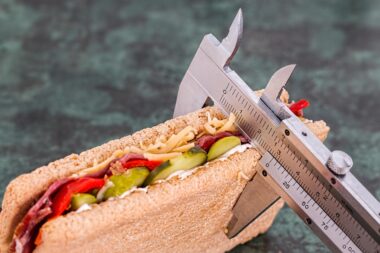

Post-Workout Calorie Tracking for Beginners
Post-workout nutrition plays a significant role in achieving your fitness goals. Proper calorie tracking after workouts can maximize recovery and enhance muscle growth. To begin, it is crucial to recognize the importance of post-workout meals and snacks that consist of both carbohydrates and proteins. These macronutrients help replenish muscle glycogen and promote muscle repair. For those new to tracking calories, consider starting with a basic app that allows for easy logging of your meals. This way, you can ensure you are consuming the right amounts of macros required for your body. Additionally, being mindful of portion sizes can assist in estimating total calorie intake. To further enhance your tracking, make sure to weigh and measure your food when possible. This practice eliminates guesswork and increases accuracy. For beginners, self-accountability remains essential, so keep a food diary or use apps that track calories. Over time, this form of tracking will aid in recognizing trends in body composition and performance. By understanding how to effectively manage your post-workout nutrition, you can create a sustainable plan tailored to your fitness goals.
Knowing the right calorie count can be daunting for beginners. However, understanding how many calories to consume after a workout can be transformative. Factors like workout intensity, duration, and body composition influence your post-workout caloric needs. Start by determining your Total Daily Energy Expenditure (TDEE)—this figure represents how many calories you burn in a day. Generally, after an intense workout, it is suggested to consume a meal or snack containing 20-40 grams of protein. Focus on getting at least 1.2 grams per kilogram of body weight. A healthy ratio is consuming approximately 3:1 or 4:1 grams of carbohydrates to protein. Choosing nutrient-dense foods such as lean meats, whole grains, and healthy fats helps in achieving your required calorific total. Fruits and vegetables should also form part of your post-workout meals as they provide essential vitamins and minerals. Additionally, being mindful of hydration is key when tracking calories, as this often gets overlooked. Drink water or electrolyte-rich beverages to ensure you’re properly rehydrated. This optimization not only aids muscle recovery but also enhances performance in subsequent workouts.
Creating a Balanced Post-Workout Meal
A balanced post-workout meal is fundamental to recovery and results. As a beginner, it’s vital to integrate both proteins and carbohydrates into your post-workout nutrition. Aim for a combination of fast-digesting carbohydrates, like fruits or rice, with quality protein sources such as chicken, fish, or legumes. These combinations ensure muscle recovery and energy replenishment. Meal timing is also crucial: try to consume your post-workout meal within 30-60 minutes after exercise. This time frame is often referred to as the “anabolic window,” a period where your body is most receptive to nutrient absorption. Exploring different recipes can help keep your meals enjoyable and flavorful while meeting your caloric goals. Preparing protein shakes or smoothies is also an alternative for quick nutrition on-the-go. Incorporating healthy fats, like avocados or nuts, adds taste and additional caloric value. To further aid your tracking, consider planning your meals beforehand. This approach allows for a better understanding of portion sizes and calorie counts. Hence, it’s easier to stick to your goals and enhance your fitness journey effectively.
Furthermore, tracking calories post-workout can also support weight management goals. By understanding how many calories you are consuming in relation to how many you are burning, you can better control your weight. If your goal is to lose weight, consider a moderate calorie deficit after workouts. However, it’s vital to maintain the intake of sufficient nutrients to fuel recovery and avoid muscle loss. Using a food journal or mobile app can be helpful in this context for tracking daily caloric intake. By consistently logging your meals and snacks, you’ll start to identify patterns and make necessary adjustments. If your goal is muscle gain, then a caloric surplus is essential post-workout. In deciding what works best for you, consider consulting a nutritionist or using credible online resources. One aspect often overlooked in post-workout nutrition concerns the mental aspect of tracking calories. Perceptions around food can shift based on your tracking journey, and it’s beneficial to maintain a healthy mindset. Exploring different foods and recipes can turn calorie tracking into an enjoyable experience rather than a chore, creating a healthier relationship with food overall.
Challenges in Calorie Tracking
Tracking calories post-workout might come with its challenges. Beginners may often find it difficult to accurately measure food portions, leading to either underestimating or overestimating caloric intake. This situation can undermine your fitness goals as you endeavor to meet your caloric targets. Another aspect to consider is the variety of foods available. Homemade meals provide more control and clarity over calories compared to eating out, where portion sizes and ingredients can be ambiguous. To alleviate this issue, invest in a food scale for precision. Over time, consistently weighing and measuring food will transform tracking into a routine. Another challenge is the temptation to skip meals or restrict calories after strenuous workouts. This approach can lead to negative impacts on recovery and overall performance. Ultimately, education around post-workout nutrition remains vital to overcoming these challenges. Consider educating yourself about the macronutrient ratios and types of foods that best support recovery. Finding a community, either online or offline, can also provide encouragement and accountability while navigating the world of post-workout calorie tracking.
Analyzing data from your tracking can lead to significant insights. Beginners might be surprised to find patterns in their eating habits, which could affect workout performance. Analyzing trends such as your energy levels or muscle aches post-exercise can be instrumental in understanding how your food intake sustains your workouts. Use tracking apps that offer analytical features to help visualize your progress. Creating graphs and charts can be motivational as you see the fruits of your labor over time. Understanding your calorie needs can empower better meal decisions, leading to optimized results over weeks and months. As you familiarize yourself with tracking, you may choose to adopt more advanced techniques such as macronutrient cycling or meal prepping for the week. This forward-thinking approach helps in balancing your post-workout meals while allowing some flexibility. Moreover, learning how to adjust your calories based on your changing goals—such as wanting to bulk up or cut down—will greatly enhance your performance. This adaptability also facilitates an improved approach to nutrition, ensuring you can sustainably track calories in the long term.
Staying Consistent with Tracking
Consistency is key when it comes to tracking post-workout calories. Setting specific reminders or alarms can encourage you to log your meals promptly after workouts. It can also be beneficial to designate a particular time each day for updating your food diary or app. Establishing a routine turns tracking into an effortless habit rather than a chore. To further promote consistency, keep your favorite foods easily accessible; this can eliminate last-minute decisions that might lead you to unhealthy choices. Additionally, considering portion pre-packing your meals can save time and energy in the long run. Remembering to celebrate small victories on your tracking journey helps maintain motivation. Acknowledge your efforts once you reach a specific number of workouts or a milestone in your calorie tracking. Engaging with supportive communities on forums or social media can also bolster your resolve. Plus, sharing your goals with friends can help cheer you on during your journey. Lastly, being patient with yourself remains essential. Mastery in calorie tracking is a process that takes time, and every small effort counts towards achieving your overall goals.
In conclusion, tracking calories post-workout is more than just counting numbers. It involves learning how to nourish your body effectively to maximize recovery and performance. As you continue on your fitness journey, focus on educating yourself about what works best for your unique body and goals. Remember that consistency and patience are crucial in this process. Begin with simple tracking methods and gradually build your knowledge and skills. Like any new habit, it will require time to perfect. Engaging with different recipes and meal ideas will keep your tracking routine enjoyable. Explore new foods and keep things fresh to avoid the diet fatigue that often leads to skipping meals or abandoning tracking altogether. Seek support from friends, trainers, or communities who share similar fitness aspirations. They can provide tips and motivation when you feel overwhelmed. Tracking can initially seem challenging, but with the right mindset and tools, you will find success. Ultimately, the insights gained from post-workout calorie tracking can empower you for lifelong health and fitness success.