
Future Trends in Adaptive Fitness Focused on Mental Health Enhancement
The intersection of adaptive fitness and mental health is a growing field that holds significant promise for individuals facing disabilities and mental health challenges. In recent years, there has been an increasing recognition of the benefits of integrating fitness programs tailored specifically for this demographic. Adaptive fitness not only encourages physical wellness but also enhances emotional resilience, which is critical for overall mental health. Fitness routines that are adaptive can take many forms, from individual personal training to group classes led by instructors trained in both fitness and mental health strategies. The focus on progressive approaches in this area includes understanding the specific needs of individuals with different disabilities.
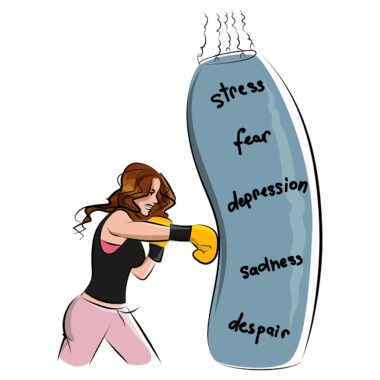
Research has shown that regular physical activity plays a vital role in improving mental well-being. Innovative adaptive programs can effectively address various mental health issues by fostering social support and providing therapeutic benefits through movement. Such programs might incorporate mindfulness techniques, encouraging participants to engage in activities that are not only physically stimulating but also mentally soothing. As individuals progress, they learn not only about their physical capabilities but also about overcoming mental barriers. Adaptive fitness encourages self-discovery and fosters a sense of achievement that can significantly boost self-esteem. Ultimately, creating inclusive fitness experiences can enhance accessibility while addressing mental health needs effectively.
Technology Integration in Adaptive Fitness
As technology continues to evolve, so does its application in enhancing adaptive fitness for mental health. Innovative fitness apps and wearable devices are emerging to help people with disabilities track their progress while personalizing their workouts. This technology enables users to set goals, monitor their achievements, and receive feedback on their performance. Furthermore, virtual and augmented reality experiences are being utilized in adaptive fitness, allowing users to partake in engaging environments that inspire motivation. These technological advancements not only cater to physical challenges but also work to boost mental clarity and emotional well-being. Moreover, the gamification of fitness challenges can create a supportive community, helping individuals connect.
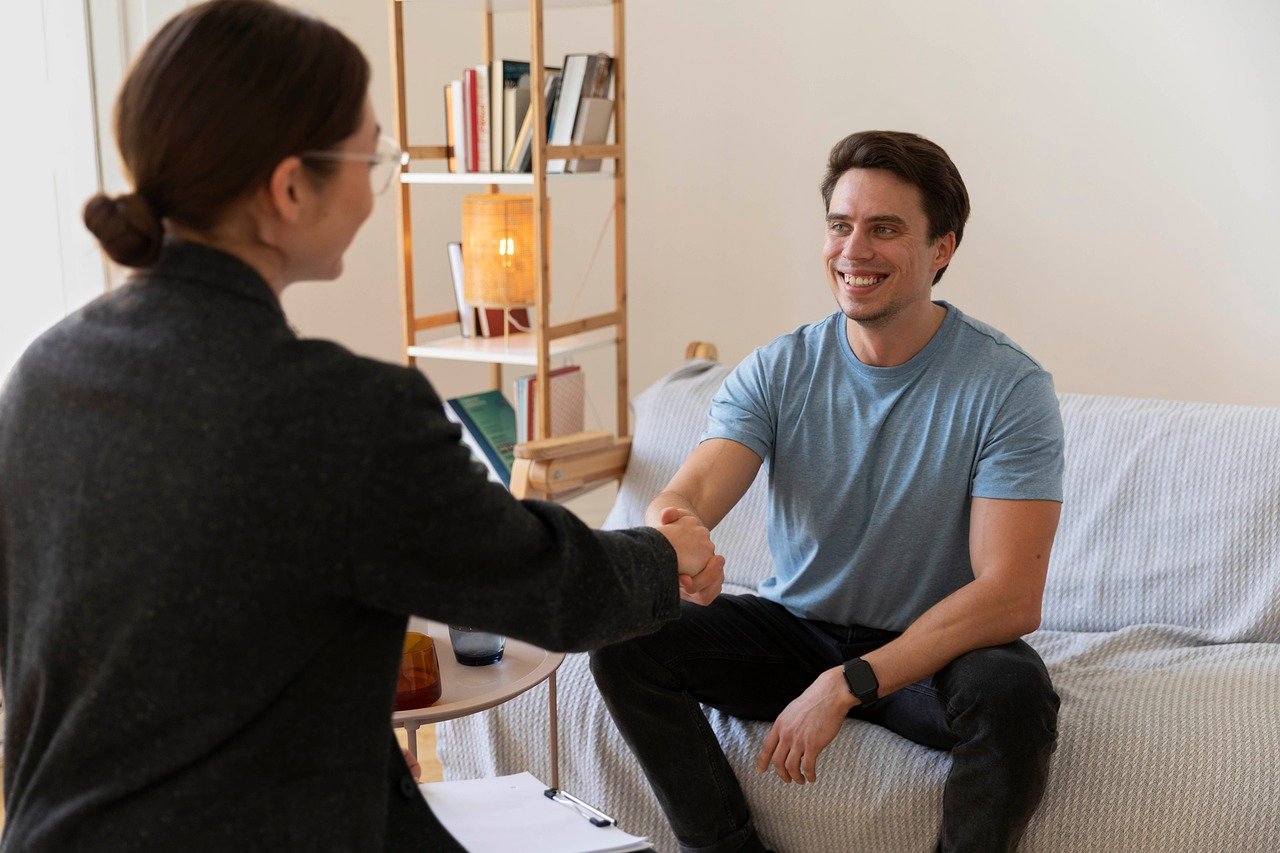
To facilitate mental health focus in adaptive fitness programs, collaboration between healthcare professionals and fitness trainers is essential. Such partnerships can help in crafting comprehensive programs that adequately meet individual needs. Healthcare practitioners can provide insights that allow fitness instructors to devise plans that align with mental health goals. Furthermore, through consistent communication, participants can ensure their routine sustainably supports their mental health as well as physical capabilities. Wellness challenges, including motivational workshops and community events, can also promote collective and supportive experiences, instilling a sense of belonging among participants.
Community Involvement and Support Systems
Building a robust community network is a pivotal aspect of adaptive fitness. Participants who engage in well-structured programs often seek and value social interaction with others having similar experiences. Encouraging peer support systems within adaptive fitness environments greatly enhances motivation and fosters accountability. Individuals can share triumphs and struggles, cultivating a safe space for emotional expression. Additionally, events and social outings that are planned can create a more significant sense of connection among participants, bridging the gap between fitness and mental well-being. Developing these support structures remains crucial to successfully delivering effective programs in adaptive fitness.
Moreover, continuous education for fitness professionals about disabilities and mental health perspectives is critical to understanding participant needs better. Adequate training equips instructors with tools to foster inclusivity while ensuring individual considerations are prioritized. Programs that adapt to evolving research findings will remain relevant and impactful. This ongoing education should extend to family members and caregivers as well, emphasizing the importance of group participation in the adaptive fitness journey. In doing so, all stakeholders become engaged in promoting lasting change regarding both fitness and mental health outcomes for participants.
Conclusion and Call to Action
Looking toward the future, it’s evident that adapting fitness solutions will continue developing alongside mental health advancements. Demand for these innovative approaches in fitness and mental health will only grow, necessitating constant improvements in methodologies. Society must recognize the value of mental health as integral to physical fitness, pushing for more inclusive communities. As advocates and stakeholders, it is crucial to work collaboratively to ensure that adaptive fitness programs address these growing needs. By embracing these changes and focusing on mental health in adaptive fitness, we can foster a culture of empathy and understanding that benefits everyone involved.
It’s essential to see adaptive fitness as an avenue for positive change in mental health strategies. In collaboration with individuals who understand both fitness and mental health, we can create sustainable practices. This holistic approach will encourage movement that has far-reaching effects on mental resilience and recovery. By remaining dedicated to emerging trends and technologies in adaptive fitness, we pave the way for future generations to engage in healthier lifestyles. Embracing uniqueness and individuality within programs will ensure that every individual benefits optimally from their adaptive fitness experience.