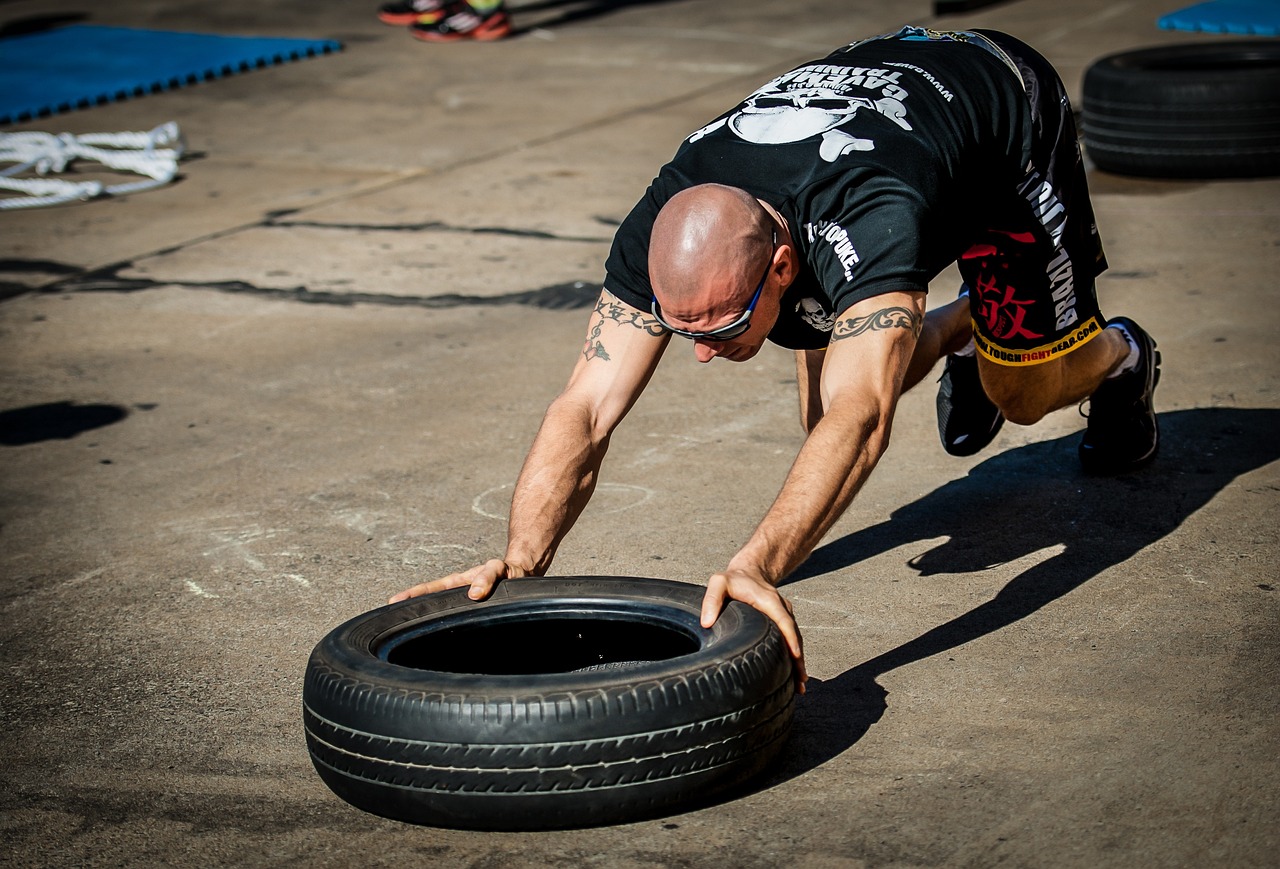

Functional Training for Enhancing Daily Life Activities
Functional training is a specialized approach in exercise science focusing on movements that replicate daily life tasks. This type of training enhances an individual’s ability to perform daily activities such as lifting, bending, and reaching with greater ease and less risk of injury. Functional training includes exercises that engage multiple muscle groups, enabling the body to work in coordination. Incorporating balance, strength, flexibility, and endurance elements into workouts prepares individuals to tackle everyday challenges. Unlike traditional workout routines that isolate muscle groups, functional training aims to improve overall body mechanics, providing a holistic approach to fitness. As people age, maintaining functional strength is crucial for sustaining independence and improving quality of life. It empowers individuals to remain active and engaged in everyday tasks without dependence on others. Moreover, functional training is adaptable for all ages and levels of fitness, making it accessible to anyone willing to commit to developing their physical capabilities. Understanding the importance of functional training can motivate individuals to prioritize these exercises, leading to significant improvements in health, well-being, and daily life engagement.
Incorporating functional training into a fitness routine requires understanding its core principles and appropriate exercises. Effective functional training programs often focus on compound movements that mimic real-life activities. Examples include squats, lunges, deadlifts, and overhead presses. These exercises can be performed using bodyweight, free weights, resistance bands, or stability balls, allowing for versatile training options. Additionally, functional training emphasizes the importance of stability and mobility, which can help prevent injuries related to sudden movements or falls. Athletes and recreational gym-goers alike can benefit from functional training, as it enhances strength, agility, and coordination. To start a functional training routine, individuals should aim to focus on major muscle groups and progressively increase resistance and complexity. Incorporating plyometrics and core stability work can further enhance effectiveness. Also, achieving proper body alignment and form is essential to prevent injuries and maximize benefits. Therefore, working with a qualified trainer who understands functional training principles can offer better guidance. Overall, investing in functional training not only helps improve physical ability but also contributes to long-term health and fitness sustainability.
The Benefits of Functional Training
Functional training offers various benefits emphasizing the practical application of strength and fitness in daily activities. One of the most significant advantages is enhanced strength and muscle endurance, allowing individuals to perform everyday tasks more easily. Additionally, functional training promotes improved balance and coordination; these factors are essential in reducing the risk of falls, especially for older adults. Engaging in functional movements can lead to better joint stability and increased flexibility, further contributing to injury prevention. Another critical benefit is the emphasis on training the core, which plays a pivotal role in maintaining posture and overall body mechanics. This focus on functional strength also translates to better performance in sports and recreational activities, improving overall athletic capabilities. Furthermore, functional training incorporates varied equipment and exercises, making workouts more enjoyable and engaging, which can help individuals stay motivated. These workouts often have a social aspect, allowing individuals to train with others, fostering support and encouragement. Overall, the benefits of functional training extend beyond the gym, significantly impacting everyday life and long-term health. Participants often report increased confidence and well-being from actively engaging in functional fitness.
One of the key components of functional training is its adaptability to various fitness levels and individual needs. Whether someone is just starting their fitness journey or is a seasoned athlete, functional training exercises can be tailored to meet specific goals and capabilities. Modifications can be made to increase or decrease intensity, ensuring that everyone can participate safely and effectively. For beginners, starting with bodyweight exercises, such as wall sits or balance exercises, can provide an excellent introduction. As individuals build strength and confidence, they can gradually incorporate weights and more complex movements. Advanced practitioners can focus on explosive plyometric exercises or incorporate equipment like kettlebells and medicine balls to enhance intensity and challenge. Additionally, functional training can benefit those recovering from injuries or living with chronic conditions, as exercises can be customized to aid rehabilitation and improve functional capacity. This flexibility in programming helps people stay engaged and motivated while fostering long-lasting habits. To maximize these benefits, it is essential to approach functional training with a balanced mindset, focusing on gradual progression and sustainable practices.
Integrating Functional Training into Your Routine
Integrating functional training into a regular fitness routine can be both enjoyable and effective when approached systematically. Begin by assessing personal fitness goals and identifying specific areas where functional strength can enhance performance in daily activities. Once goals are defined, individuals can incorporate functional exercises into their existing workout regimen, focusing on movements that mimic commonly performed tasks. It is essential to find a balance between functional training and other fitness modalities, ensuring that overall fitness remains a priority. Creating a weekly schedule that includes dedicated functional training sessions while allowing ample rest and recovery can optimize results. Individuals can explore local class offerings or online resources that specialize in functional training, providing guidance and structure to their workouts. Additionally, tracking progress, engaging in fitness challenges, or working with a workout buddy can sustain motivation and accountability. Consistency is vital; therefore, developing routines that promote engagement helps enhance the effectiveness of functional training. Ultimately, integrating functional training into everyday routines contributes to long-term success and improved physical abilities.
The role of nutrition cannot be overlooked when discussing functional training and its impact on daily life activities. A well-balanced diet plays a critical role in providing the energy and nutrients required for optimal performance. Consuming a mix of macronutrients, including proteins, carbohydrates, and healthy fats, supports muscle recovery and growth. Hydration is equally essential, as staying adequately hydrated enhances physical performance and cognitive function. Awareness of food choices can provide the necessary foundation for effective functional training by improving energy levels. By prioritizing whole foods such as fruits, vegetables, whole grains, lean proteins, and healthy fats, individuals can better equip their bodies to handle the demands of functional training. Meal planning can also become an essential element in achieving nutrition goals while maintaining energy throughout the day. Incorporating nutritious snacks pre- and post-workout can optimize training results and overall well-being. Utilizing nutrition education resources or consulting with a registered dietitian can offer athletes and exercise enthusiasts personalized guidance to maximize performance through optimized dietary choices.
Maintaining Motivation and Enjoyment in Functional Training
Maintaining motivation and enjoyment in functional training is crucial for achieving long-term success and fitness goals. Fostering a positive mindset begins by setting realistic and attainable objectives that reflect individual progress. Celebrating small achievements reinforces motivation and encourages individuals to remain committed to their workout routines. Engaging with like-minded individuals through group classes or social media fitness communities can create a supportive environment, making workouts more enjoyable and less isolating. Experimenting with diverse functional training exercises and formats can prevent monotony, keeping workout sessions fresh and exciting. Incorporating challenges such as fitness competitions or collaborative workouts fosters a sense of camaraderie among participants, further enhancing enjoyment. Additionally, monitoring progress with fitness apps or journals can provide valuable insights into improvements, encouraging individuals to persist. Finding out what aspects of functional training excite personal passion can transform a grueling task into a fun and fulfilling journey. Regularly revisiting personal fitness goals and adjusting as needed can create a sustainable routine that promotes health and well-being. Ultimately, embracing a positive approach to functional training can lead to lifelong habits that vastly enhance daily life activities.
In conclusion, functional training serves as a vital aspect of exercise science that can significantly enhance daily life activities. By improving strength, flexibility, balance, and coordination, individuals can experience better health outcomes and increased quality of life. This versatile form of training adapts to diverse fitness levels and goals, making it accessible for everyone. Understanding its benefits and integrating functional training within an individualized fitness plan leads to more sustainable and functional health benefits. Consistency, recovery, proper nutrition, and motivation play essential roles in maximizing the effectiveness of functional training efforts. As more people recognize the importance of staying active and engaged in their daily tasks, functional training will continue to gain popularity among fitness enthusiasts. Training the body to perform daily obstacles ensures long-term physical health and emotional well-being. Therefore, by prioritizing functional training, individuals are not merely enhancing their fitness; they are investing in their overall lifestyle and future. The improvements gained through this specialized training will prove invaluable, allowing individuals to navigate life with greater ease, confidence, and independence.