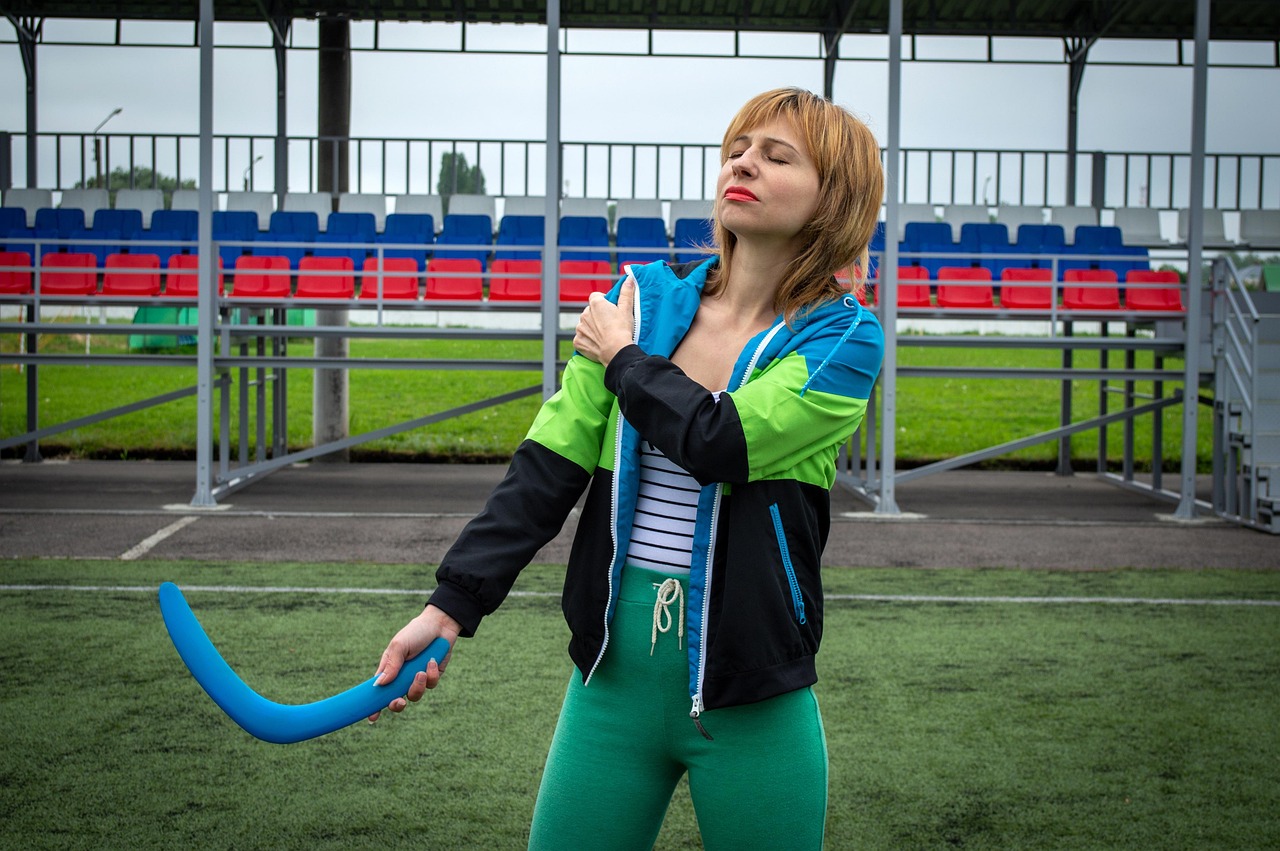

Cool-Down Exercises to Reduce Delayed-Onset Muscle Soreness (DOMS)
Cool-down exercises are essential for athletes and fitness enthusiasts. They help in gradually lowering the heart rate and preparing the body for recovery after intense workouts. Engaging in cool-down activities can also aid in reducing Delayed-Onset Muscle Soreness (DOMS). This soreness often occurs 24-72 hours post-exercise, making effective cool-down measures crucial. Incorporating cool-down stretches can alleviate tension in muscles and relieve stress. This practice not only enhances flexibility but also aids in injury prevention. A systematic approach to cooling down allows your body to adjust gradually from an intense state to a resting state. Therefore, integrating specific exercises into your routine will create a beneficial cycle for muscle recovery. For optimal results, cool-down sessions should last anywhere from 5 to 15 minutes, depending on the intensity of your workout. It is vital to listen to your body and choose stretches that feel comfortable yet effective. Remember, a proper cool-down routine is as important as your workout itself, promoting overall health and well-being. Make cool-down exercises a non-negotiable part of your fitness regime to minimize muscle soreness and enhance performance.
Importance of Stretching Post-Workout
Stretching after workouts plays a key role in preventing muscle soreness. Post-exercise stretches can effectively reduce tightness in muscles, which helps in recovering from intense physical activities. When performed correctly, these stretches increase blood flow to sore areas and promote faster recovery. They also improve flexibility and can enhance the performance of subsequent workouts. It’s essential to focus on major muscle groups used during your exercises. Targeting larger muscles like quadriceps, hamstrings, and calves is beneficial. Simple static stretches can be very effective in this regard. Hold each stretch for 15 to 30 seconds to maximize benefits. Ensure you breathe deeply while stretching, as this promotes relaxation and aids in muscle recovery. Remember to avoid bouncing during stretches to prevent injury. Instead, maintain a steady position. Cooling down stretches should not be painful; they should feel good and relaxing. Listen to your body and adjust the intensity of stretches according to your comfort level. It is beneficial to create a post-workout stretching routine that works for you and your specific routine. The goal is to keep your muscles long and supple, thereby reducing the risk of DOMS.
One commonly used cool-down technique is the classic seated hamstring stretch. To perform this, sit on the ground with one leg extended and the other bent inward. Reach towards the toes of your extended leg, feeling the gentle stretch along the back of your thigh. Hold this position for about 20-30 seconds, then switch legs. This effective stretch targets the hamstrings, easing post-exercise tightness. Another excellent option is the standing quad stretch. For this, stand on one leg while pulling the opposite foot towards your glutes. Keep your knees together and push your hips slightly forward to maximize the stretch in your quadriceps. Again, hold for 20-30 seconds before switching sides. Incorporating a variety of stretches into your routine can help you maintain balance and flexibility, key attributes for injury prevention. It is advisable to focus on slow, controlled movements and breathing during these stretches. Avoid rushing; instead, enjoy this recovery time as part of your fitness journey. The effectiveness of the cool-down process hinges on your dedication to practicing these techniques regularly. Developing consistency in your routine will show remarkable positive results over time.
Foam Rolling Techniques for Muscle Recovery
Foam rolling presents a dynamic method for enhancing muscle recovery post-exercise. By applying pressure to specific muscle groups, foam rollers help release tension and increase blood flow, minimizing soreness associated with DOMS. Regularly using a foam roller can enhance flexibility, which is beneficial for athletic performance. Focus on areas where you feel tight or sore, such as the back, quads, hamstrings, and calves. Slowly roll over the targeted muscle for 30-60 seconds, allowing your body weight to provide the pressure. Make sure to breathe steadily during this process. It is normal to experience slight discomfort; however, avoid rolling over joints or bones. This technique is also known as self-myofascial release, and it effectively assists in eliminating muscle knots. Many athletes incorporate foam rolling into their warm-up and cool-down routines for maximum benefits. In addition to enhancing recovery, foam rolling can help prevent injuries by ensuring muscles stay pliable. Developing a routine that includes foam rolling can significantly contribute to your long-term fitness success. Remember that consistency is crucial for reaping the rewards of this technique, so make it a regular part of your recovery efforts.
Another effective cool-down exercise is the child’s pose, a favorite among yoga enthusiasts. To perform this gentle stretch, kneel on the floor with your big toes touching. Sit back on your heels and stretch your arms forward, resting your forehead on the ground. This position promotes relaxation, lengthens the spine, and stretches the hips. Hold this pose for 30 seconds to 1 minute, focusing on deep, calming breaths. You’ll find that this restorative stretch aids in reducing muscular tension throughout your back and legs. Additionally, consider incorporating torso twists into your cool-down regime. For this, sit on the ground with your legs extended. Cross one leg over the opposite knee and gently twist toward the bent leg. Hold for 15-30 seconds, then switch sides to ensure both sides are stretched evenly. This exercise not only helps in cooling down the muscles but also promotes spinal mobility. Alternating between these stretched forms creates a balanced session, aiding in effective recovery. Combining a variety of stretches allows for comprehensive recovery, ensuring that all muscle groups get adequate attention and care. By building a well-rounded cool-down routine, you can reduce the risks associated with intense workouts.
Integration of Breathing Techniques
Breathing techniques can enhance the benefits of cool-down exercises significantly. Focusing on your breath helps improve relaxation, which is vital for muscle recovery. Engaging in deep, diaphragmatic breathing during your cool-down allows more oxygen to flow into your bloodstream, promoting better recovery. Inhale deeply through your nose, allowing your abdomen to expand, then exhale slowly through your mouth. Pair this breathing with stretches for maximum effectiveness. Implement this strategy while performing cool-down stretches to create a mind-body connection that elevates your recovery. Consider incorporating extended breath counts, where you inhale for a count of four, hold for four, and exhale for six. This practice increases breath control and can help manage stress levels. Mindful breathing also helps bring your focus to the present moment, enhancing your overall fitness routine. When you prioritize breathing during cool-down sessions, you will likely experience decreased muscle tension and an increased sense of relaxation. Ultimately, investing time in mastering these techniques can yield significant long-term benefits for your recovery process. The synergy of breathing with physical stretches can lead to a more effective cool-down routine, paving the way for continuous improvement.
The importance of hydration cannot be overstated in the recovery process. After exercising, rehydrating helps maintain bodily functions and assists with muscle repair. Consuming adequate fluids during and after workouts combats dehydration, reduces the risk of muscle cramps, and promotes recovery. Water is essential, but you can also consider electrolyte-rich drinks to help replenish lost minerals more effectively. Aim to hydrate before feeling thirsty, as this ensures your body has enough fluids available for recovery. Pair your hydration efforts with proper nutrition for optimal results. Consuming protein and carbohydrates after workouts accelerates muscle recovery and can minimize symptoms of DOMS. Foods like lean meats, eggs, and legumes provide necessary nutrients, while whole grains offer energy. Faster recovery leads to lower levels of soreness, which allows you to maintain a consistent workout schedule. This combination of hydration and nutrition creates a supportive environment for muscle recovery and overall athletic performance. Make sure to prioritize these elements in your post-exercise routine to experience the full benefits of your workouts. Proper care and attention can make all the difference when it comes to achieving your fitness goals.
In conclusion, incorporating cool-down exercises into your fitness regime is essential for reducing Delayed-Onset Muscle Soreness (DOMS) effectively. These practices not only promote relaxation but also enhance flexibility, ensuring your muscles recover adequately after intense physical activities. Remember, stretching, foam rolling, breathing techniques, and hydration can significantly impact your recovery strategy. Staying consistent with these practices will help alleviate soreness and improve your overall performance. By adopting a structured cool-down routine, you can minimize risks associated with injuries while maximizing the benefits of your workouts. Take the time to identify effective stretches that target your muscle groups and listen to your body’s needs. This attention is vital for fostering long-term health and well-being. Set aside time each session to focus on quality recovery moments; your body will thank you later. Prioritize your fitness journey holistically; physical exercises often extend beyond the workout itself. Remember the lessons learned about nourishing your body through hydration and nutrition, which are just as important as the exercises themselves. Strive for balance in your fitness regimen, allowing yourself to grow stronger and more resilient. Let cool-down exercises be an integral part of your path to better health.