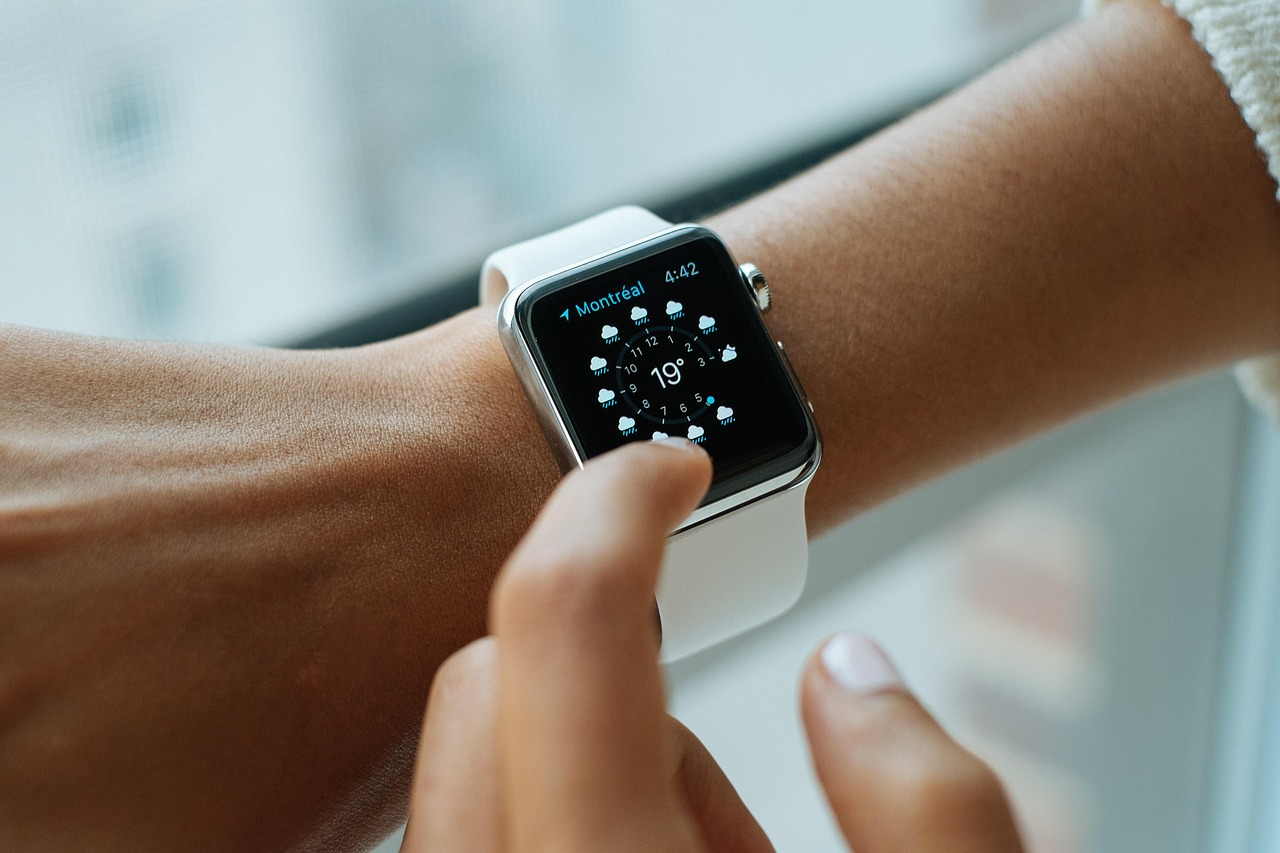

Use of AI in Wearable Integration Software for Fitness
The integration of Artificial Intelligence (AI) into wearable fitness technology marks a significant advancement in the health and wellness sector. Wearable devices now collect a large variety of user data, including heart rate, movement patterns, sleep quality, and overall fitness levels. AI algorithms analyze this data in real-time to provide personalized health recommendations and insights. By understanding the user’s habits, AI can suggest workouts, dietary changes, and lifestyle adjustments that enhance fitness outcomes. Moreover, the predictive abilities of AI allow it to forecast potential health issues based on individual data trends. This forward-thinking nature not only helps users become proactive but also empowers them to make informed health decisions. Such approaches bolster user engagement, as people are more likely to stick with fitness regimens that reciprocate with their evolving fitness journeys. As technology continues to develop, the synergy between AI integration and wearable devices stands to revolutionize how individuals approach their health and fitness goals. Ultimately, wearable integration software powered by AI offers an exceptionally tailored experience that drives better health overall.
Enhanced User Experience and Engagement
The crux of successful wearable fitness technology lies in the user experience offered. AI-driven wearable integration software enhances this experience by utilizing sophisticated machine learning techniques. These techniques help understand user preferences, routines, and responses to various training programs more accurately. For instance, AI can track exercise trends and suggest customized workout plans that adapt to the user’s performance improvements over time. When users see continuous progress based on AI-assisted feedback, their motivation grows exponentially. Furthermore, smart notifications generated by AI guide users during their fitness journeys, making them feel supported and accountable. This level of interaction fosters a sense of community, particularly through tracking shared goals in groups and social media platforms. In addition, the software can analyze social engagement metrics to recommend community challenges, spurring friendly competition and camaraderie among peers. Comprehensive user profiling, enabled by AI, helps in delivering precise wellness advice tailored for individual needs, effectively engaging users while optimizing their experiences. The ability to refine user interactions in real-time can also lead to substantial improvements in adherence to fitness and health protocols.
One major aspect of AI in wearable integration software is its capacity for continuous monitoring and feedback. Wearable devices, when paired with AI algorithms, can track the user’s biometric data 24/7, enabling a robust evaluation of health trends. This constant surveillance allows the software to catch irregularities or declining trends in a user’s health, prompting timely interventions. For instance, if a device notices an unusual spike in heart rate during minor activities, users receive alerts that encourage them to investigate potential causes. Additionally, AI models can adjust workout intensity based on real-time workload assessment, helping prevent injuries. These intelligent adjustments are crucial for maintaining safe exercise practices. Meanwhile, users feel a deeper connection with their device, as it constantly evolves with their performance levels, leading to a sense of ownership and motivation. AI also facilitates personalized workout adjustments after injuries or setbacks, creating adaptive training schedules that prioritize recovery while keeping users engaged. As a result, AI-based software not only enriches user fitness experiences but also plays a pivotal role in safeguarding their health.
Data Privacy and Security Considerations
As fitness apps and wearable devices proliferate, the question of data privacy becomes increasingly significant. Users often express concerns about how their personal information, especially health-related data, is collected, stored, and utilized. AI integration in wearable fitness technology necessitates stringent standards for data security and privacy. Fitness applications must adopt advanced encryption technologies to safeguard users against potential breaches and unauthorized access. This reassures users that their sensitive information remains confidential and protected. Implementing clear consent protocols for data usage not only maintains user trust but also complies with regulatory frameworks like GDPR. AI can also aid in anonymizing data used for analytics, thus enhancing privacy while still retaining the ability to extract valuable insights for improving fitness recommendations. The responsibility to build a culture of security alongside innovative technology rests heavily on developers. Educating users about privacy features and empowering them with control over their data fosters a trustworthy environment, which is crucial for sustained adoption of these technologies. Effective data management enhances user confidence in AI-driven fitness solutions, paving the way for broader acceptance and integration.
Another benefit of integrating AI into wearable fitness technology is the ability to create adaptive training programs that evolve with users. As users progress in their fitness journeys, their physical capabilities change, necessitating constant adjustments to their workout routines. Machine learning algorithms can track improvements in strength, endurance, and flexibility, subsequently modifying the intensity and complexity of workouts. This not only optimizes performance but also mitigates the risk of plateaus, overpowering fatigue, and burnout. A user’s feedback and data over time contribute to a refined training experience, allowing for the incorporation of new exercises that align with their goals. AI’s analytical power can provide reports that showcase trends in performance metrics, ensuring users are informed about their progress. Additionally, users can set specific fitness benchmarks, and AI can personalize suggestions that will assist them in reaching those goals systematically. This dynamic aspect of fitness training through AI not only keeps users engaged but also encourages them to aim higher while also factoring in sustainable progress. Enhanced user satisfaction manifests as commitment increases, driving overall effectiveness.
Future Trends in Wearable Fitness Technology
The landscape of wearable fitness technology is rapidly evolving, largely driven by advancements in AI and machine learning capabilities. Future trends indicate that integration software will become more sophisticated, offering even deeper insights into personal health. For example, AI and wearable technologies could soon harness data from various sources, compiling comprehensive health profiles that include dietary information, stress levels, and lifestyle factors. Emerging technologies, such as real-time health monitoring, could integrate with augmented reality to elevate user engagement further. Predictive analytics powered by AI will match individual users with future exercise regimens based on their projected health trends. Furthermore, the use of voice-activated AI will streamline interactions, allowing users to receive instant feedback and recommendations. Customization will reach new heights as personalization achieves a fine-tuned balance between user preferences and goals. Moreover, cross-industry partnerships between app developers, fitness providers, and healthcare organizations will lead to innovative solutions that merge fitness guidance and medical advisements. As these trends materialize, the overall fitness journey will become more interactive, insightful, and ultimately more impactful for users of all ages.
In conclusion, the use of AI in wearable integration software for fitness is transforming how individuals pursue their health and wellness objectives. The synergy between advanced technology and user engagement fosters an environment where informed decisions lead to tangible health benefits. From personalized training and nutrition advice to real-time health monitoring, AI enhances the overall fitness experience. Additionally, the emphasis on data privacy and security is critical in establishing trust, ensuring users feel comfortable sharing their data. As future innovations unfold, we can anticipate more sophisticated AI applications that will further evolve user interactions and technology integrations. The industry will witness a paradigm shift in fitness management, empowering individuals to take charge of their health journeys effectively. Ultimately, wearable devices armed with AI capabilities will not only provide insightful analytics about users but also act as powerful tools for motivation and accountability, driving long-term adherence to fitness goals. The growing emphasis on well-being, health, and performance optimization will keep AI at the forefront of fitness technology innovations. Embracing this transformation with an open mind can lead to a healthier, more active lifestyle for everyone.
As the realm of wearable fitness technology continues to grow and evolve, the integration of AI stands as a pivotal force shaping the future. Users are increasingly seeking smart solutions that offer more than just tracking capabilities; they desire personalized, actionable insights that empower better health decisions. In this context, AI serves as the backbone of innovative wearable integration software. The perfect combination of real-time analytics and user engagement creates an unparalleled fitness experience. Through AI, fitness applications can dissect data with remarkable precision, delivering tailored recommendations that resonate with individual users. This customization extends to recognizing the user’s daily patterns, preferences, and physiological responses to various workouts. As developers harness advanced AI algorithms, they must keep evolving their approaches to ensure that the software adapts fluidly to the ever-changing fitness landscape. The potential for such technology is vast, especially as healthcare focuses increasingly on preventative care and proactive wellness solutions. Future advancements promise an expansion of capabilities in collecting and analyzing health data. This not only enhances the software but also fosters a community of engaged users dedicated to achieving optimal health outcomes.