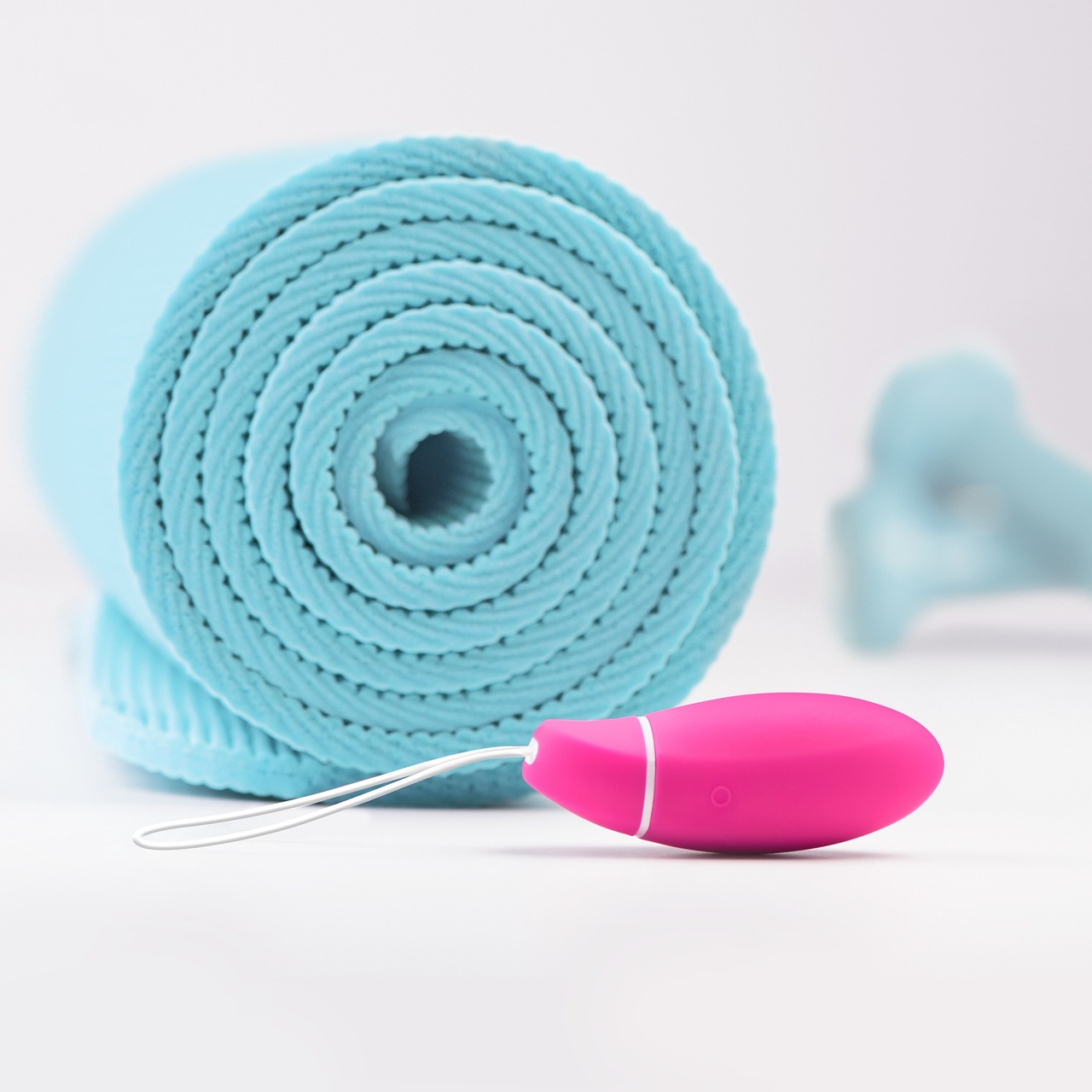

The Role of Pelvic Floor Exercises in Postpartum Fitness
In the postpartum period, many new mothers focus on regaining their pre-pregnancy fitness levels. One important area of fitness is the pelvic floor, which supports the bladder, uterus, and intestines. Post childbirth, the pelvic floor may become weakened and require targeted exercises for restoration and strength. Pelvic floor exercises, such as Kegels, can significantly aid in recovery. These exercises assist in improving muscle tone, enhancing bladder control, and promoting overall core stability. Therefore, integrating pelvic floor workouts into a postpartum fitness regimen is essential for women seeking to regain strength efficiently. Regular engagement in these exercises creates a solid foundation for further physical activities, increasing confidence in various movements. They also prepare the body for future pregnancies and childbirth, serving women holistically. Aside from physical benefits, these exercises can alleviate discomfort and reduce the incidence of pelvic organ prolapse. It’s advisable to consult healthcare providers to tailor the appropriate routine for individual needs. A qualified specialist can guide safe practice, ensuring optimal and effective recovery after childbirth. Women can empower themselves through these movements, fostering a healthy lifestyle as they transition into motherhood.
Benefits of Strengthening the Pelvic Floor
Strengthening the pelvic floor provides multiple benefits, especially during the postpartum phase. Many women experience various changes to their bodies after childbirth, which include not just physical but also emotional challenges. The pelvic floor is critical in maintaining pelvic stability, and its health can immensely influence overall bodily function. Strong pelvic muscles can improve bladder control, reducing incidents of incontinence, a common issue post-birth. Additionally, a robust pelvic floor contributes positively to sexual health, enhancing sensations and increasing comfort during intimacy. By maintaining the muscles’ integrity, a woman might also alleviate lower back pain, often resulting from weak pelvic floor muscles. Engaging in regular pelvic exercises can promote better posture and a strengthened core, which collectively aids in day-to-day activities. Furthermore, these exercises build resilience in the body for future physical demands. It’s crucial for each woman to listen to her body and start at her comfort level, gradually increasing the intensity of pelvic workouts as strength improves. Finding community support through classes or online platforms can motivate postpartum women to maintain these vital exercises and enjoy the myriad of benefits they provide.
In addition to the physical advantages, pelvic floor exercises can have a significant positive impact on mental health. Many new mothers face emotional challenges, such as postpartum depression or anxiety, following childbirth. Engaging in a structured exercise regimen can improve mood by releasing endorphins and enabling a sense of accomplishment. Furthermore, focusing on pelvic floor strength can redirect attention away from feelings of discomfort or insecurity about one’s body. It fosters a sense of empowerment that arises from taking control of one’s own health and wellness. Moreover, when mothers are aware of their pelvic health, they also tend to educate others, creating awareness in their communities. Education about postpartum fitness and pelvic floor importance can foster a supportive environment for sharing experiences and ideas. Expanding knowledge in this area not only benefits the individual but also contributes to a healthier community overall. Through personal stories and shared journeys, mothers can bond over common challenges and triumphs, forging connections that surpass the physical, enhancing emotional well-being. Prioritizing pelvic floor exercises as a part of postpartum fitness represents a shift toward holistic health for many women.
Timing and technique are crucial elements to consider when implementing pelvic floor exercises postpartum. It is essential to begin gently, particularly in the first six weeks after childbirth. Many experts recommend waiting until the six-week postpartum check-up before starting a consistent routine. Every woman’s recovery process is unique, and individualized approaches yield the best outcomes. Once cleared by a healthcare provider, mothers can start with simple exercises such as pelvic tilts and Kegel exercises. These can help in restoring muscle control and coordination. Proper technique is necessary: ensure that while performing Kegels, the focus remains solely on squeezing and lifting the pelvic muscles without engaging the abdomen, buttocks, or thighs. This targeted approach ensures that the intended muscles receive adequate training. Additionally, breathing techniques also play a role; proper inhalation and exhalation during exercises enhance muscle contraction and relaxation. Consider incorporating online resources or seeking guidance from a physical therapist who specializes in postpartum recovery. This can significantly improve adherence to an exercise program and ensure exercises are performed correctly, leading to better recovery results and a stronger pelvic floor.
Incorporating Pelvic Floor Exercises into Daily Life
Integrating pelvic floor exercises into daily routines can sometimes feel daunting but can transform overall fitness significantly. Finding the right moments to engage in these exercises can make adherence easier. For instance, practicing Kegels while sitting in traffic, during breastfeeding, or even when nursing can present practical opportunities to strengthen the pelvic floor unnoticed. Moreover, linking these workouts with daily activities creates a seamless approach. Mothers can do pelvic tilts during diaper changes or while waiting for meals to cook. This not only reinforces the habit but also integrates exercise into busy lifestyles. Consistency plays a key role in effectiveness; setting reminders on phones or keeping a journal may facilitate commitment to the regimen. Participating in pelvic floor classes or joining parenting groups can help build community connections while providing necessary motivation. Furthermore, tracking progress over weeks can offer tangible evidence of improvement. Adopting supportive equipment like exercise balls or resistance bands can also introduce variety and fun. Keeping the exercises fresh and engaging ensures sustained commitment, contributing to long-term recovery and robust physical health.
As mothers progress in their postpartum fitness journey, it’s essential to be mindful of personal limits. While pushing boundaries is often encouraged in fitness, perfecting foundational strength through pelvic floor exercises lays the groundwork for future accomplishments. Understanding that every phase of motherhood brings unique physical and emotional challenges is fundamental. Celebrate small milestones in strength and endurance, rather than focusing solely on the end goal. Incorporate variety by transitioning from basic Kegels to incorporating movements that engage the entire core. This transition assists in maintaining motivation and interest in the exercise routine. Furthermore, involving partners or even older children in these activities can foster a supportive environment, making the process enjoyable for everyone. Share experiences and encourage each other. Participating as a unit not only strengthens relationships but also normalizes discussions about postpartum health challenges. Moreover, creating a space where women can express their recovery struggles leads to greater awareness and understanding, ultimately benefiting community health. Embrace the journey, allowing time for healing and adjusting to the life of motherhood while honoring the strength of the body during this transformative period.
Final Thoughts on Postpartum Fitness
In conclusion, recognizing the importance of pelvic floor exercises in postpartum fitness is essential for new mothers. Strengthening these muscles contributes not only to physical recovery after childbirth but also supports emotional well-being. By dedicating time and focusing on the pelvic floor, women regain control over their bodies and foster a healthier lifestyle. Exercises such as Kegels, when performed consistently and correctly, can lead to significant improvements in core strength, bladder control, and overall comfort. Furthermore, women should acknowledge that each recovery journey is unique, and seeking guidance from professionals can ensure optimal strategies are implemented. Creating a supportive environment where mothers feel empowered to share their experiences will normalize discussions surrounding postpartum health. By highlighting the significance of pelvic floor health, new mothers can inspire each other and promote wellness in their communities. It’s a collective effort towards embracing motherhood with vigor and health. The journey towards fitness post-childbirth is one of resilience and adaptability. Embrace this phase of life with positivity, knowing that prioritizing pelvic floor health enhances not only individual experiences but also collective recovery and wellness in the motherhood journey.
In the postpartum period, many new mothers focus on regaining their pre-pregnancy fitness levels. One important area of fitness is the pelvic floor, which supports the bladder, uterus, and intestines. Post childbirth, the pelvic floor may become weakened and require targeted exercises for restoration and strength. Pelvic floor exercises, such as Kegels, can significantly aid in recovery. These exercises assist in improving muscle tone, enhancing bladder control, and promoting overall core stability. Therefore, integrating pelvic floor workouts into a postpartum fitness regimen is essential for women seeking to regain strength efficiently. Regular engagement in these exercises creates a solid foundation for further physical activities, increasing confidence in various movements. They also prepare the body for future pregnancies and childbirth, serving women holistically. Aside from physical benefits, these exercises can alleviate discomfort and reduce the incidence of pelvic organ prolapse. It’s advisable to consult healthcare providers to tailor the appropriate routine for individual needs. A qualified specialist can guide safe practice, ensuring optimal and effective recovery after childbirth. Women can empower themselves through these movements, fostering a healthy lifestyle as they transition into motherhood.