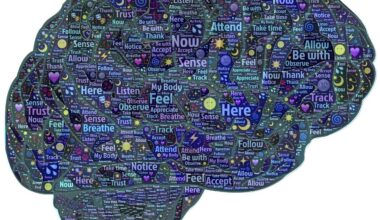

The Connection Between Mental Health and Fitness Testing in Teens
Understanding the relationship between fitness testing and mental health among teens has become vital in recent years. As adolescents navigate the complexities of growth and development, mental health issues have surfaced as a significant concern. Engaging in regular fitness testing can help identify not only physical abilities but also enhance emotional well-being. Several studies have shown that participation in physical activity diminishes symptoms of anxiety and depression. This positive influence on mental health can lead to better coping mechanisms in teens, as well as improvements in mood. The role of fitness testing offers essential feedback to adolescents, helping them set achievable goals. By remaining active, they also develop a sense of accomplishment, which is fundamental for their self-esteem. Fitness motivations often translate into continued interest in physical activity, promoting healthy life choices. Schools should consider integrating mental health awareness into their fitness testing protocols. Ultimately, strengthening the link between physical and mental wellness is critical for youth, setting the stage for lifelong health and well-being. Prioritizing comprehensive health programs can assist in combating mental health issues, providing teens with healthy coping strategies through activity.
Benefits of Regular Fitness Testing
Regular fitness testing offers several advantages that directly impact teens’ mental health. First, it establishes a baseline for individual fitness, giving teens clear indications of their progress. Acknowledging improvements in performance can boost self-confidence. Additionally, the process fosters accountability, as teens engage in regular exercise aimed at enhancing their fitness scores. Increased physical activity is scientifically linked to reduced stress levels, combating the pressures that come with adolescence. Regular testing can also encourage social interaction as teens participate in group testing sessions or classes. This social component can alleviate feelings of isolation, making fitness a communal effort. Apart from enhancing physical health, awareness of fitness performance can motivate teens to make healthier lifestyle choices regarding nutrition and sleep habits. Effective communication from educators and fitness professionals is critical in promoting these benefits. They can help convey the importance of fitness testing and its connections to mental well-being. Ultimately, a supportive environment encourages open dialogue about the psychological benefits of fitness, allowing teens to express their feelings and experiences more freely. This holistic approach contributes significantly to developing a more resilient and mentally healthy adolescent population.
The psychological impact of fitness testing can be profound, influencing how teens perceive themselves and their capabilities. As teenagers grow, they often strive for independence and self-identity. Fitness testing can serve as an essential tool for self-discovery as it allows them to assess their physical strengths and weaknesses. When the focus shifts away from comparison with peers and toward personal growth, self-worth improves. Encouraging a mindset of personal achievement fosters resilience among teens. Furthermore, consistent evaluation and progress tracking create a sense of purpose in their fitness journeys. Physical education programs should incorporate constructive feedback into testing practices, ensuring that assessments are both informative and supportive. When fitness testing is coupled with positive reinforcement, it creates an environment where students can thrive. Integrating discussions about mental health in conjunction with fitness evaluations is also vital. Educators can promote emotional awareness and provide resources for students who may be struggling with mental health challenges. Overall, the way fitness testing is approached can significantly shape adolescents’ attitudes towards fitness, motivating them to continue pursuing healthy lifestyles while concurrently nurturing their mental health.
Creating a Positive Environment for Fitness Testing
To maximize the benefits of fitness testing, creating a positive environment is essential. Schools and organizations should prioritize inclusivity by ensuring that fitness assessments cater to all skill levels. Emphasizing that fitness testing is not solely about competition but can include personal goals encourages participation. Programs should accommodate varying levels of athleticism, fostering a climate of support rather than coercion. To this end, educators can construct fitness activities that promote fun, teamwork, and social engagement. Practical strategies include incorporating group challenges and rewarding individual progress rather than solely focusing on scoring systems or ranks. This approach builds camaraderie among peers, bolstering emotional support structures. Additionally, providing mental health resources during testing days can help students navigate their feelings around physical performance. Having counselors available can lead to open discussions that normalize struggles pertaining to fitness and mental well-being. Overall, creating a nurturing atmosphere around fitness testing enhances enjoyment, leading to increased engagement and long-term commitment to physical activity. Encouraging mindfulness and self-reflection throughout the process also contributes to a more fulfilling experience for teens.
The connection between mental health and physical activity is undeniable, particularly in how fitness testing can affect teen perceptions of themselves. Adolescence is often marked by varying levels of insecurity and self-doubt; thus, physical assessments can expose insecurities, which could backfire if not handled correctly. Educators play a critical role in instilling a positive narrative around fitness testing. Celebrating achievements, regardless of the score, reinforces the importance of effort and persistence. Such celebrations can shift the focus from merely achieving high scores to understanding the value of trying and improving over time. Providing feedback that emphasizes strengths rather than weaknesses cultivates a growth mindset. Moreover, it is essential to communicate the purpose of fitness testing — which isn’t to create competition but to promote overall health and self-improvement. In this light, linking the significance of regular physical activity to mental well-being becomes clearer. Creating workshops to address these concepts allows students to explore how exercise acts as a natural mood booster. Ultimately, informed strategies can transform the perception of fitness testing into a nurturing experience, empowering teens on multiple fronts.
Implementing Holistic Approaches to Fitness Testing
Implementing holistic approaches to fitness testing brings together physical health and mental well-being. By fostering connections between these domains, educational systems can create comprehensive strategies to support adolescent development. One aspect involves integrating mental health education into fitness programs to enhance awareness. Workshops can be arranged to address the importance of mental fitness alongside physical health. These sessions could cover topics such as stress management, self-care practices, and the emotional impact of physical activity. Additionally, the involvement of mental health professionals in fitness programs ensures that expert guidance is available to support students’ needs. Creating flexible fitness testing schedules could accommodate students’ varying comfort levels. It is also crucial to allow students the choice of how they participate in testing. Options such as individual assessments or small group activities could alleviate performance anxiety. Adopting a multifaceted approach helps to destigmatize mental health discussions and reinforces the interconnectedness of physical and mental wellness. Ultimately, these strategies empower students to thrive not just physically but also emotionally, equipping them with tools to handle challenges throughout their lives.
Understanding the connection between mental health and fitness testing in teens can guide educators in creating more effective programs. Many interventions aimed at health and wellness overlook critical psychological dimensions that can enhance engagement and effectiveness. Educators might consider continuously revising assessment methods, incorporating feedback from students to ensure inclusivity. In addition, fostering partnerships between schools, parents, and health providers can help address both physical and mental health needs of students comprehensively. More than mere evaluation, fitness testing should adapt to students’ emotional states. Integrating check-ins or reflective practices during testing can provide valuable insight into students’ mental well-being. Additionally, introducing alternative forms of assessment could include self-assessments or peer evaluations. Teachers can encourage students to reflect on their fitness journeys and set self-directed goals. Creating spaces where students feel valued and understood fosters resilience and empowers them to pursue healthy habits throughout life. By prioritizing student-centered approaches, fitness testing evolves into a nurturing, supportive experience. Ultimately, enhancing the dialogue about mental health within fitness initiatives cultivates an environment where teens can thrive holistically, bridging mind and body for lasting wellness.