
Stretching and Flexibility: Pilates Tips at Home
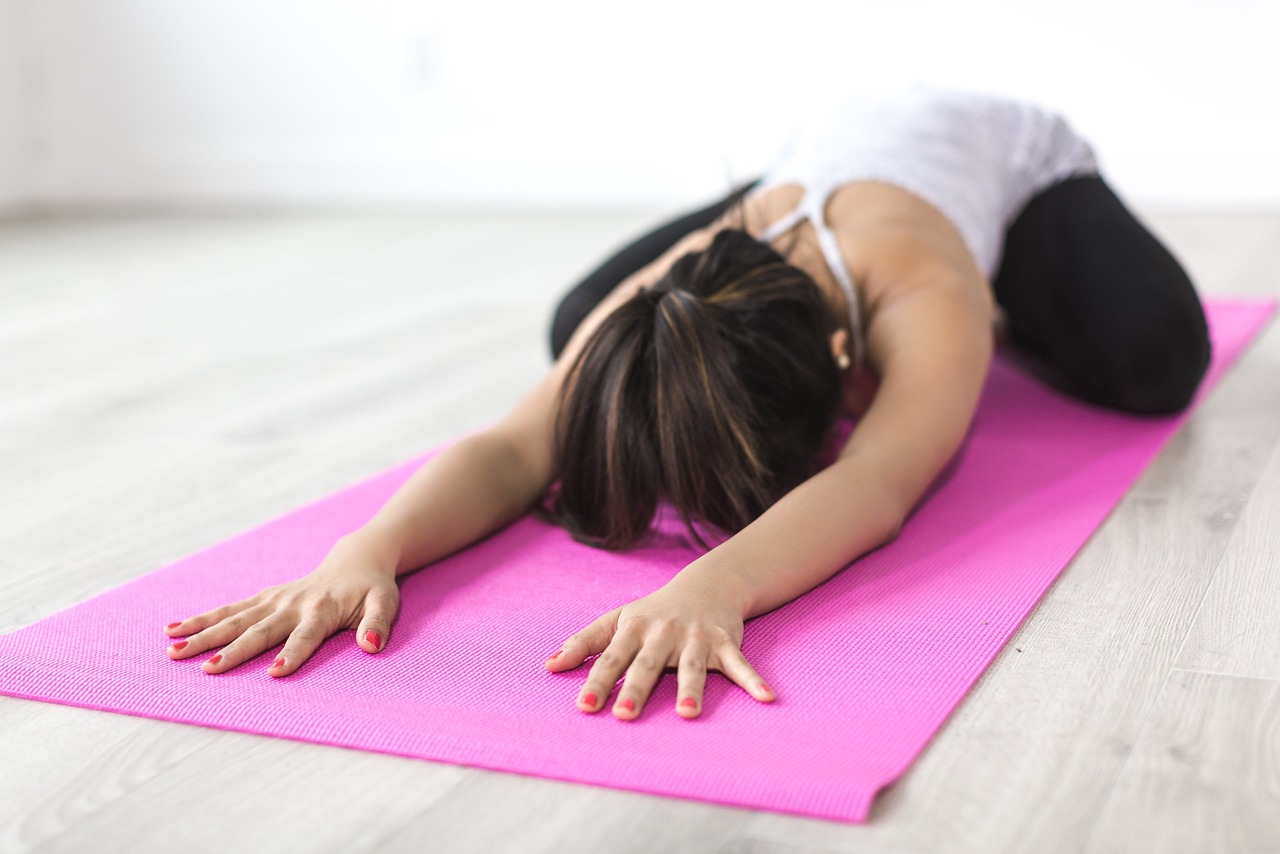
Pilates at home offers unique benefits, especially when it comes to enhancing your stretching and flexibility routines. To begin, you should establish a dedicated space free from distractions. Choose a room where you can comfortably move and lay out your mat. Next, plan a schedule that allows you to practice consistently. Ideally, aiming for three to four times a week will give you the best results. Preparing your body before each session is critical. Start with light warm-ups that include gentle stretches to enhance blood flow. Incorporating deep breathing will help in relaxing your muscles during workouts. Always focus on maintaining proper form, as this is crucial in avoiding injuries and maximizing your flexibility gains. Also, include various Pilates moves known for targeting flexibility, like the Saw or the Spine Stretch. Each of these exercises can be adapted to your skill level. Finally, listen to your body; if something feels wrong or too strenuous, consult online resources or consider working with a professional instructor for guidance and improvements in your at-home practice.
To improve your Pilates sessions at home, you can use various tools and props that enhance your routine. One essential item is a high-quality exercise mat. A good mat provides cushioning and support, making your stretches more comfortable. Additionally, use small props, such as resistance bands, blocks, or even a towel to challenge yourself more. Resistance bands can be particularly helpful for deepening stretches or performing resistance workouts, while blocks assist in achieving proper form and alignment. Another great item for versatility is a fitness ball. This helps increase stability and core engagement during exercises, leading to better overall results. Furthermore, staying informed and inspired is vital for consistent practice. Subscribe to Pilates blogs or channels that offer expert tutorials and tips to keep your practice fresh and engaging. Experiment with different styles of Pilates to find out what resonates best with your body. Some prefer mat Pilates, while others thrive with reformer workouts. Whatever your choice may be, ensure that your routine incorporates balance, strength, flexibility, and consistency for optimal benefits.
Focusing on your breathing during Pilates is crucial, especially when aiming for flexibility. Proper breathing techniques help in relaxing your muscles and enhancing their elasticity. Incorporating deep diaphragm breathing allows you to expand your lungs while using your core, which provides stability during movements. Begin your session with a few minutes of breathing exercises. This practice helps you center your thoughts and prepares your body for intense stretching. During each stretch, inhale deeply through your nose and exhale fully through your mouth, allowing your body to soften and open further with each breath. Maintaining a steady breath while performing positions allows increased oxygen flow to your muscles. This can make a significant difference, especially when deepening stretches. Additionally, try visualizing the stretch; envision how the movement should feel, aiding your connection to each muscle. By combining breath and visualization, you can deepen your stretches significantly. Consistent practice of focused breathing patterns will also improve your overall Pilates performance, allowing you to manage stress and achieve greater results in flexibility and strength.
Set Realistic Goals for Flexibility
When engaging in Pilates at home, establishing realistic and achievable flexibility goals is crucial for success. Setting clear objectives enables you to measure your progress over time, keeping you motivated and focused. Start by assessing your current flexibility levels, identifying areas that require improvement. For instance, if you struggle with hamstring or shoulder flexibility, consider focusing your stretching routine on those specific muscle groups. It’s important to set incremental targets, such as improving your ability to execute specific stretches or achieving deeper postures within a designated timeframe. Avoid setting overly ambitious goals, which can lead to frustration and may even risk injury. Instead, be patient and remind yourself that flexibility improvements take time. Tracking your progress can be exceptionally beneficial too. Keeping a journal of your workouts and noting your flexibility achievements will help you stay accountable. Celebrate small victories or milestones along the way. Additionally, utilize online communities or social media to connect with others pursuing similar goals. Sharing your successes can aid in developing a sense of belonging and motivation.
Nutrition plays a significant role in enhancing flexibility and overall performance in your Pilates practice. A balanced diet rich in essential nutrients supports muscle recovery, growth, and flexibility. Ensure you consume adequate amounts of protein to support muscle repair. Foods such as lean meats, legumes, nuts, and dairy are excellent sources. Additionally, incorporate a variety of colorful fruits and vegetables in your meals. These provide the vitamins, minerals, and antioxidants that help reduce inflammation and aid recovery. Staying hydrated is crucial as well, as water helps improve muscle elasticity. Aim for at least two liters of water daily to keep muscles pliable. You might consider timing your meals around your workouts for optimal results. Eating a light snack an hour before your Pilates session, such as a banana or yogurt, provides essential energy. Post-workout nutrition is equally vital. Consuming a balanced meal with carbohydrates and protein within 30 minutes after exercising will aid recovery. For example, a smoothie with spinach, banana, and protein powder can replenish your body effectively and support your flexibility goals.
Utilize Online Resources for Guidance
The internet offers an abundance of resources to assist you in enhancing your Pilates experience at home. Many experts share online tutorials, classes, and tips that can elevate your understanding of Pilates techniques targeted for flexibility. Websites, YouTube channels, and mobile apps provide varied content to choose from. When selecting sources, ensure they come from certified instructors with expertise and credibility in Pilates. Classes tailored for flexibility can guide you through safe and effective movements to incorporate into your routine. Follow online communities and forums where Pilates enthusiasts or fitness coaches exchange tips and experiences. This environment can inspire you and provide additional motivation to continually strive for your flexibility goals. Many platforms also offer live sessions where you can ask questions and receive personal feedback. From beginner to advanced, various levels of classes are available. Consider trying different instructors to find one that resonates most with you. Engaging with diverse content and instruction can help keep your practice fresh and enjoyable. Taking time to explore online options may provide you with the support and innovation needed for your Pilates journey.
Consistency is key to improving your stretching and flexibility through home Pilates practice. Developing a routine requires discipline, but with the right mindset, it can become an enjoyable part of your lifestyle. Establish specific days and times for your Pilates practice, treating them as non-negotiable appointments. Ensure your practice sessions remain manageable; even 20–30 minutes can significantly impact your flexibility over time. To maintain your commitment, vary your routines, mixing strength workouts with flexibility sessions. Incorporate different exercises and props to keep your practice engaging and fun. Another aspect to consider is your mindset during practice. Be compassionate with yourself; progress takes time and is not always linear. Some days you may find flexibility improvements, while on others, you might feel restricted. Accept these fluctuations as a natural part of your journey. Surround yourself with supportive friends and family who encourage your lifestyle choices and well-being. Finally, remind yourself why you began practicing Pilates at home and how it contributes positively to your overall health, which will keep you motivated.