
Seasonal Tai Chi Practices: Adapting to Weather and Environment
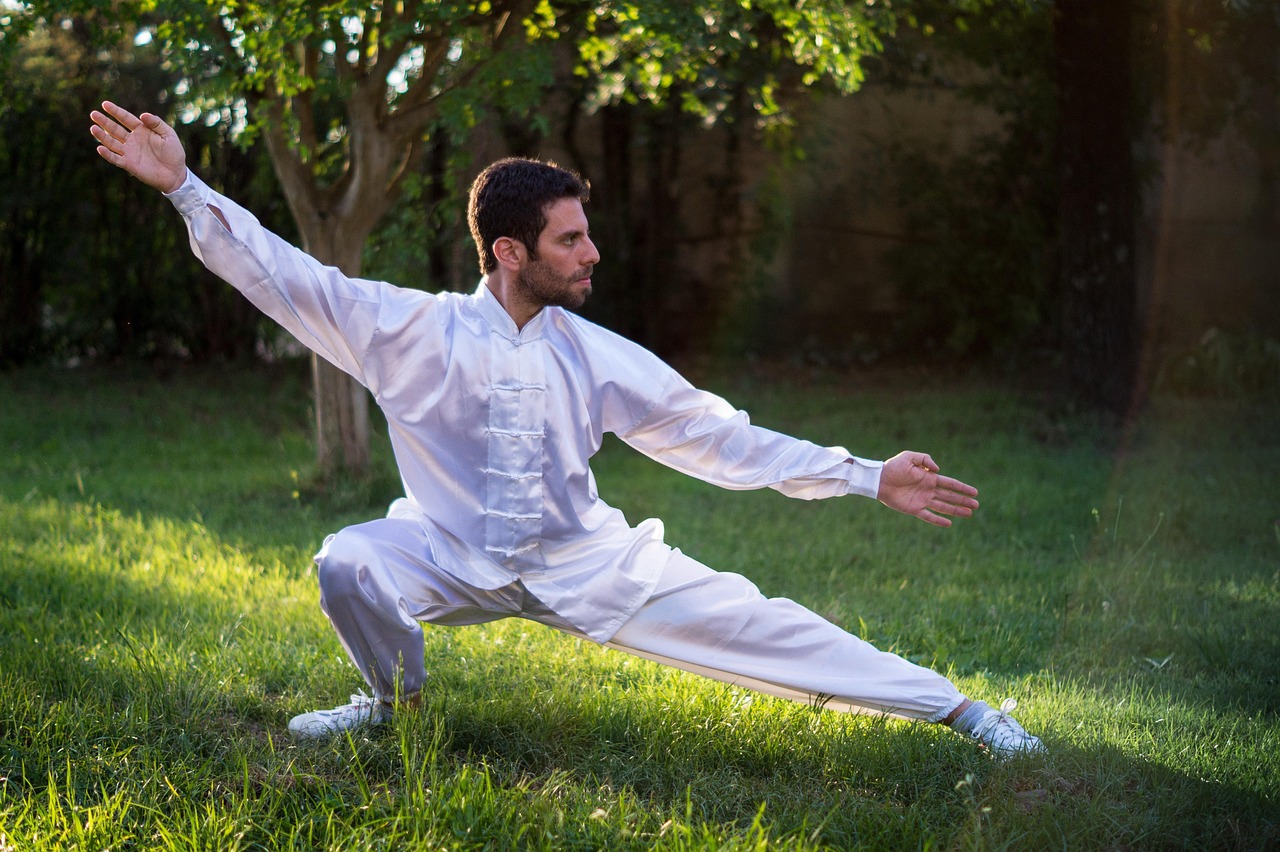
Practicing Tai Chi is an exceptional way to enhance balance and coordination, but seasonal changes can impact how we practice. Adjusting your Tai Chi practice according to various weather conditions ensures that you gain the most benefits while maintaining safety. During warmer months, for instance, practicing outdoors can connect you with nature and improve mental well-being. However, it’s essential to be prepared for the heat. Ensure to stay hydrated and wear appropriate clothing. As temperatures soar, choose early mornings or late evenings for your practice, avoiding the high noon sun. Most importantly, listen to your body and know its limits, especially in hot conditions to prevent any unwanted health consequences. Embracing the natural elements can deepen your experience, helping you achieve harmony with your surroundings. You may consider integrating elements from nature into your routine, allowing for an invigorating practice that not only challenges your body but also calms your mind. Tai Chi teaches the elegance of movement without rush, and every season presents a fresh opportunity to learn and grow through focused practice in different environments.
The fall season often brings cooler temperatures and fallen leaves, creating a serene environment ideal for outdoor Tai Chi practice. When performing Tai Chi in this setting, take the time to appreciate your natural surroundings; engaging with the beauty of the season can enrich your practice. Focus on grounding movements and connection to the earth. Pay attention to every step, as leaves can be slippery, directing your movements to be slow, intentional, and carefully coordinated. Wearing layers can help you maintain comfort, allowing for the freedom of movement in colder weather. Furthermore, consider incorporating mindfulness techniques as part of your routine, fostering mental clarity and improving your focus. Try planting your feet firmly and visualizing rooting yourself to the earth beneath the crisp foliage. This method enhances the practice while making it reach deeper levels of relaxation and awareness. As the days grow shorter, you may want to adjust the timing of your practice sessions, finding light that allows for clear visibility. Transitioning your focus through the seasons ultimately keeps your practice dynamic and fresh while building skills in balance.
Winter Tai Chi Adjustments
Winter may bring frigid temperatures and snow-covered landscapes, which can present unique challenges to your Tai Chi practice. In this cozy season, aim to develop skills in indoor spaces. You can practice Tai Chi at home or join a local class focused on maintaining balance and coordination. Dress warmly when practicing outdoors, yet be cautious of icy and slippery conditions that can lead to injuries. Slowing down in the winter months can be beneficial, allowing you more time to reflect on each movement and develop precision in your practice. Engaging in warming-up exercises before you begin ensures that your muscles are prepared for gentle movement. Acknowledging how your body feels during these colder months is crucial, focusing more on your inner warmth and comfort than external conditions. As the days grow darker, you might find it comforting to practice near windows to let light in. Using visualization techniques may also be helpful; as you perform Tai Chi movements, picture warm sunlight penetrating through your body, promoting relaxation and balance amid the winter chill.
The arrival of spring is synonymous with rejuvenation, and this season awakens many possibilities for your Tai Chi practice. As temperatures rise and blossoms start to appear, venture outdoors to bask in nature’s beauty. Use this time to connect with your surroundings through breath and motion. Focus on movements inspired by the blooming energy surrounding you, such as flowing into soft stances and graceful transitions that mirror the renewal nature presents. The springtime offers fresh air that can invigorate your practice, allowing you to draw more energy as you move. Incorporate breathing exercises along with your Tai Chi forms to promote harmony; breathing in fresh scents of flowers while performing your routines can elevate your experience. Spring is also an excellent opportunity to attend workshops or classes focused on Tai Chi, deepening your knowledge and engaging with new practitioners. Connecting with others can create a sense of community and motivate you to continue enhancing your skills. Remember, adapting your practice to changing seasons not only makes the experience enriching but also supports your growth in balance and coordination.
Summer Practices for Balance
In the summer, Tai Chi offers an exceptional way to embrace the vibrant energy of the outdoors while working toward better balance and coordination. As the climate can be warm, consider practicing Tai Chi near a body of water like a lake or river where the breeze can provide relief from the heat. The visual element of water can be an inspiring metaphor for the fluidity of movement, improving your practice. This season also presents the opportunity to try practice techniques that incorporate different surfaces for added challenge—consider performing Tai Chi on the grass or sand. Balancing on uneven surfaces enhances stability and strengthens the muscles required for coordination. Summer invites interaction with others, making group classes in parks more enticing. Engaging with fellow students allows for shared learning experiences and collective motivation. Practicing outdoors opens up opportunities for stretching your physical limits while enhancing well-being with the benefits of sunlight; however, remember to apply sunscreen and stay hydrated throughout. Enjoying your Tai Chi practice during summer can be a way to celebrate the abundance of the season while nurturing your mind, body, and spirit.
The benefits of Tai Chi in enhancing balance and coordination are amplified when you adapt your practice to seasonal transitions. Understanding how weather fluctuations impact your routine equips you to develop resilience and flexibility. The changing seasons create variety in your practice, breaking monotony and enriching your experience. Keep a journal to document your feelings and observations from each practice session. Label your entries with the environmental conditions you practiced under, providing insight into how these factors affect your focus and performance. By recognizing connections between the environment and your personal experience, you become more aware of your overall well-being. These observations might lead to modifications in your technique that better respond to your seasonal lifestyle. As you navigate through various seasons, allow yourself the patience to adapt your style. Embrace the growth that comes with fluctuations, both in weather and your approach. Join workshops or classes during different seasons to learn how others incorporate seasonal elements into their practice, enriching your skillset and reconnecting yourself with the essence of being present in both Tai Chi and life.
Conclusion: Embrace Seasonal Changes
Ultimately, embracing the seasons is essential in your Tai Chi journey towards enhanced balance and coordination. With each transition, you have the chance to explore new dimensions of your practice and develop resilience through adaptation. Remember that each season presents individual challenges and unique opportunities that can help propel your growth. As you enter winter’s embrace or dance under the warm sun of summer, stay mindful of your body and surroundings. Each movement can serve to solidify your connection to the environment, aiding mental focus and supporting physical strength. Recognize that Tai Chi is not only about the form but about attuning to nature and discovering how changes in environment influence your overall experience. Over time, as you practice under various weather conditions, you will evolve towards mastering your skills in balance and coordination. Your awareness will deepen, allowing you to embody the principles of Tai Chi with precision and grace. Acknowledge the beauty that arises from these transitions as you strive for equilibrium within yourself and the world around you, thereby fostering lasting harmony.