
Post-Workout Recovery Tips for Intense HIIT Sessions
Recovery after a high-intensity interval training (HIIT) session is crucial for achieving maximum benefits. The body undergoes significant stress during such workouts, leading to muscle fatigue and depletion of energy stores. Implementing a well-structured recovery routine is essential for rejuvenation and preventing injuries. First, focus on hydration; drink plenty of water to replace fluids lost through sweat. Follow this up with a balanced meal that includes protein and carbohydrates, which are important for muscle repair and energy replenishment. You might consider foods like lean chicken, quinoa, and vegetables. Moreover, scheduling rest days between intense workout sessions can help your body recover effectively. Aim for at least one full day of rest each week. Additionally, incorporating low-impact activities like walking or yoga can promote circulation. Remember, consistency in your recovery approach is key to long-term fitness success. Make sure to also listen to your body and adjust your routine accordingly, as pushing through pain may lead to injuries. Finally, consider taking Epsom salt baths, known for their therapeutic benefits, as part of your recovery strategy.
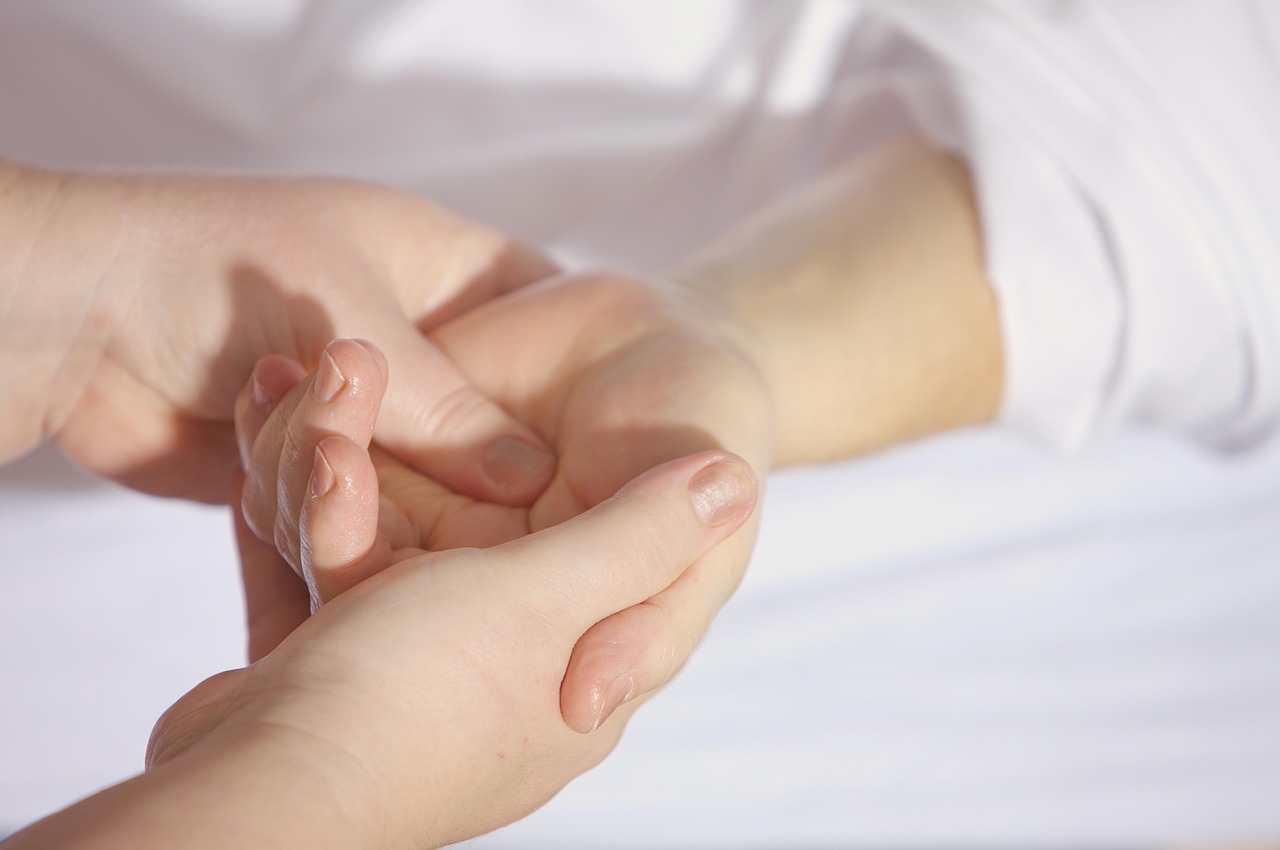
Post-workout stretching can significantly enhance your recovery from HIIT workouts. After your session, it’s beneficial to dedicate time to static stretching techniques, which help to lengthen your muscles and alleviate soreness. This method promotes blood flow to areas that may experience tightness, aiding in faster recovery. Focus particularly on muscle groups most engaged during your workout; for instance, targeting your quads, hamstrings, and glutes. Holding each stretch for about 15-30 seconds is recommended, ensuring you breathe deeply throughout the process. Additionally, incorporating foam rolling can be beneficial. Foam rollers help massage your muscles, breaking up knots and improving blood flow. This can ease muscle soreness and stiff joints. For added recovery, practice myofascial release techniques. Combining these with light stretching can enhance overall mobility, improving your performance in future workouts. Remember, every small technique you incorporate can add up to make a significant difference in your overall performance and recovery. Keep your muscles flexible and prepared for the next round of high-intensity training. Make stretching a habit, and it will pay off in enhanced performance.
Nourishment for Recovery
Proper nutrition plays an integral role in the recovery process following intense HIIT workouts. Consuming the right foods immediately after training can provide your muscles with the necessary nutrients for optimal recovery. It’s recommended to have a post-workout meal or snack containing both protein and carbohydrates within 30 minutes. A simple protein shake mixed with fruits like bananas or berries can effectively kickstart your recovery. These foods deliver essential vitamins and minerals while replenishing glycogen stores effectively. Additionally, foods rich in omega-3 fatty acids, such as salmon and walnuts, have anti-inflammatory properties, which can further aid in reducing muscle soreness. Incorporating a variety of colorful fruits and vegetables can also supply antioxidants that help combat oxidative stress caused by high-intensity workouts. Maintaining a well-balanced diet throughout the week ensures you gain the maximum benefits from your training. Consider meal prepping to avoid falling into the trap of unhealthy eating out of convenience after intense workouts. Stay consistent with nourishing your body for improved performance.
Rest and sleep are foundational elements needed for effective recovery after HIIT sessions. Aiming for quality sleep allows your muscles to repair fully and reduces fatigue. Sleep aids in the secretion of growth hormones, contributing to muscle growth and strength improvement. Aim for at least 7-8 hours of uninterrupted sleep each night. Create a bedtime routine that promotes relaxation; consider activities such as reading or meditating to wind down. Avoid screens close to bedtime, as they can disrupt your natural sleep-wake cycle. If you find it difficult to unwind, explore natural sleep aids like herbal tea or aromatherapy. Additionally, establish a consistent sleep schedule, going to bed and waking up at the same time each day. Listen to your body; if you feel overly fatigued, an afternoon nap can also work wonders. Emphasizing the importance of rest is crucial for achieving fitness goals. Overlooking this aspect may lead to burnout and poor workout performance. Prioritize your recovery; it significantly impacts not only your progress but your overall health as well.
The Role of Active Recovery
Active recovery is a beneficial practice that can enhance your recovery from strenuous HIIT sessions. Unlike passive recovery, which includes complete rest, active recovery involves engaging in low-intensity exercise. Activities like walking, swimming, or cycling can stimulate blood circulation, helping to deliver oxygen and nutrients to fatigued muscles, promoting quicker recovery. Consider dedicating the day after intense HIIT workouts to active recovery exercises. This not only helps alleviate soreness but also keeps you moving, giving you a sense of accomplishment. You can choose activities based on your preferences and energy levels—gentler exercises are perfect for days following tough training sessions. Engaging in mobility training or yoga can also complement your recovery routine. These activities build strength, improve flexibility, and prevent injuries, enhancing your overall performance. You may also find group activities enjoyable. This keeps your motivation high while aiding recovery. Implementing active recovery days into your regimen can be a game-changer by preparing your body for future workouts, ensuring that every session remains effective.
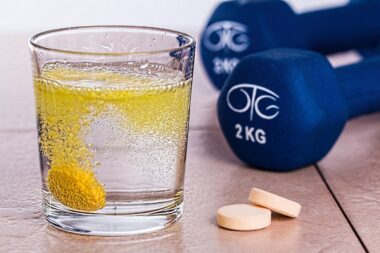
Hydration management during recovery is vital for optimal performance following HIIT sessions. Water plays a crucial role in nearly every bodily function, including regulating body temperature and transporting nutrients. After intense exercise, rehydration becomes essential for muscle recovery. Consider drinking water or electrolyte-rich beverages to replenish lost fluids. Electrolytes, found in drinks or healthier sources like coconut water, help restore mineral balance vital after heavy sweating. Keep track of your hydration levels throughout the day, especially if you are engaging in intense fitness activities. Watch for signs of dehydration, which may include dark urine or fatigue. A good practice is to begin your day with a glass of water and set reminders throughout the day to drink regularly. Additionally, incorporating hydration-rich foods can support fluid intake; options like cucumbers, oranges, and berries are enjoyable and effective. Establishing a hydration regime helps facilitate quicker recovery and optimal performance over time. Prioritize this aspect and integrate it seamlessly into your fitness recovering routine to achieve the best results.
Listening to Your Body
Listening to your body during the recovery phase is essential for successful outcomes post-HIIT workouts. Everyone’s fitness levels, experiences, and recovery times differ, therefore being attuned to how you feel after intense training is crucial. Monitoring your physical and psychological responses aids in adjusting your workouts and rest days accordingly. If you feel persistent soreness or fatigue, it’s a signal to rest or engage in lighter activity. Tracking your energy levels with a workout journal can help you recognize patterns and decide when to push or scale back your intensity. Furthermore, focus on your mental state; exercise should energize, not drain you. Pay attention to any signs of burnout or decreased motivation. This may be your body’s way of indicating it needs time to recharge. Avoid comparing your progress with others, as this can deter your focus. Each individual’s path to fitness success varies, so nurture a mindset based on patience and self-awareness. Emphasizing body awareness throughout your recovery process paves the way for gradual yet sustainable improvement as well as personal achievements.
In conclusion, prioritizing recovery after intense HIIT workouts ensures long-term success and health. By implementing proper recovery strategies, such as hydration, nutrition, stretching, rest, and active recovery, you cultivate a sustainable fitness routine. Additionally, listening to your body and being aware of your limits fosters a healthy training environment. Each aspect of recovery contributes significantly to your fitness journey, helping you not only recover but also excel in upcoming workouts. Choosing when to rest and when to engage in gentle exercise creates a balance that both challenges and nurtures your body. The unique combination of these techniques will enhance your overall performance and longevity in fitness. Remember, the key to improvement lies in the duality of training hard and recovering wisely. Create a routine that works best for you; it will lead to enjoying your HIIT workouts even more. As you begin to see and feel the results of your dedication, motivation will naturally increase, renewing your enthusiasm for fitness. Embrace the recovery journey, and you will be equipped to tackle the next HIIT session more confidently and effectively.